





What's Happening?
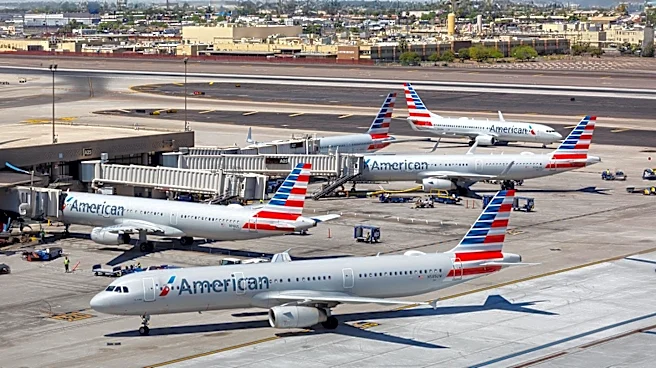
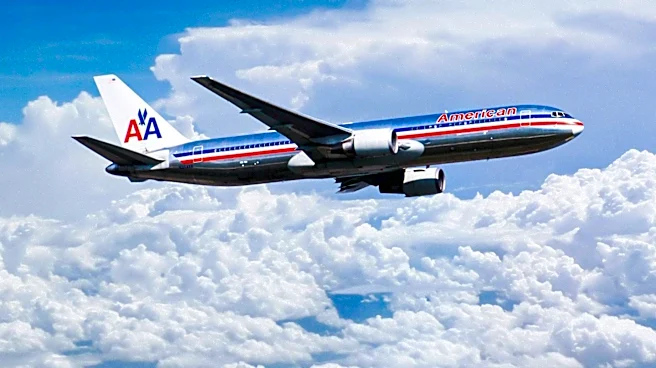
American Airlines CEO Robert Isom informed employees that the company incurred a loss for the recent quarter and anticipates a full-year loss. This announcement comes despite a nearly 20% increase in revenue from July through September. The airline has
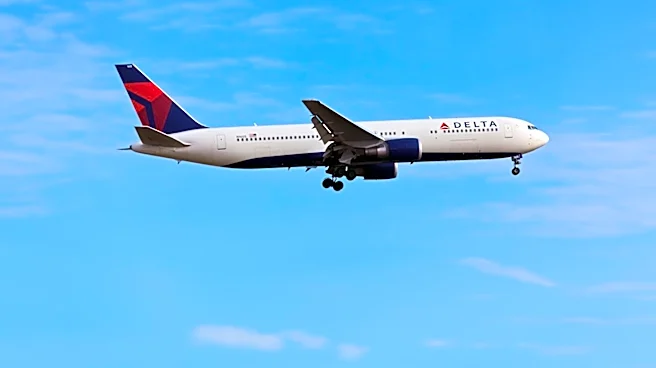
consistently underperformed its major competitors, Delta Air Lines and United Airlines, in terms of profitability over the past five years. Wall Street analysts project American Airlines will lose approximately $1 billion this year, while Delta and United are expected to report profits of around $3 billion each. The company's struggles are attributed to a substantial debt load, accumulated from its 2013 merger with US Airways and during the pandemic, as well as strategic missteps that have hindered its ability to attract affluent and business travelers. These issues have led to public criticism from the airline's pilot and flight attendant unions. United's CEO, Scott Kirby, even proposed a merger to President Trump, an idea that was dismissed by both American Airlines and President Trump.
Why It's Important?
American Airlines' continued financial struggles are significant for the U.S. airline industry and its stakeholders. As the carrier that flies the most passengers in the U.S., its underperformance impacts market dynamics and competitive landscapes. The substantial profit gap between American and its rivals, Delta and United, highlights a broader challenge in the industry regarding premium customer acquisition and revenue generation. The company's large debt burden and strategic miscalculations, such as eliminating in-seat video screens and stock buybacks instead of reinvesting, have put it at a disadvantage. This situation could lead to increased pressure from unions and investors for more aggressive turnaround strategies. The disparity in profitability also suggests that consumers are willing to pay more for the services offered by Delta and United, indicating a shift in traveler preferences towards perceived higher value or better service, which American Airlines is currently failing to capture effectively.
What's Next?
American Airlines executives have stated they have a plan to reverse the company's fortunes, though analysts suggest they are years behind competitors. The airline is focusing on investments in premium seating, Wi-Fi, airport lounges, and strengthening relationships with corporate clients. A key part of this strategy involves reversing previous decisions, such as reintroducing video screens to over 800 single-aisle jets, with rollout expected to begin in 2028. The company also aims to enhance revenue from its loyalty program and branded credit cards, seeking to increase the over $6 billion it currently collects. American plans to issue credit cards exclusively through Citi to achieve this. The critical question remains whether these initiatives can be implemented quickly enough to close the significant profit gap with Delta and United, which possess greater financial resources and are pursuing similar strategies.
Beyond the Headlines
The persistent underperformance of American Airlines, despite its status as the largest U.S. carrier by passenger volume, points to deeper structural and strategic issues within the company. The decision to prioritize stock buybacks over investments in customer experience and fleet modernization in the years leading up to the pandemic, coupled with a substantial debt load, has created a challenging environment for recovery. This situation underscores the long-term consequences of corporate financial strategies and their impact on competitiveness and customer perception. The willingness of travelers to pay higher fares for Delta and United suggests a market preference for perceived quality and service, highlighting the importance of brand loyalty and premium offerings in the airline industry. American's struggle to attract affluent and business travelers indicates a potential erosion of its market position in a crucial, high-yield segment, which could have lasting implications for its financial health and market share.