









What's Happening?
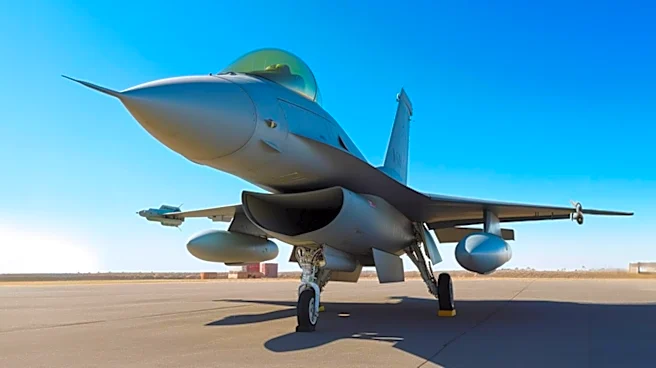
Lockheed Martin has unveiled a comprehensive $1.8 billion industrial and social collaboration package for Peru, linked to its proposal for the Lockheed Martin F-16 Block 70 fighter jets. This initiative aims to integrate Peruvian enterprises into Lockheed Martin's
global supply chain through a combination of economic incentives and localized defense production. Key components of the offer include the domestic assembly of advanced unmanned aerospace vehicles, specifically targeting the broader Latin American market. Additionally, the program plans to establish dedicated joint research hubs and an Unmanned Aircraft System (UAS) Technical Institute to enhance regional aerospace expertise. The proposal also encompasses specialist-led engineering training, advanced fighter-maintenance courses, and an innovative space academy curriculum, alongside a significant expansion of Peru’s local maintenance, repair, and overhaul (MRO) capabilities. This strategic offer seeks to foster long-term economic growth and bolster the national defense industrial bases of both Peru and the United States.
Why It's Important?
This industrial package is significant as it aims to transform Peru into a primary Latin American hub for defense manufacturing and aviation services. By integrating local defense firms into global supply chains, the initiative establishes vital industrial redundancy and strengthens regional MRO readiness, which is crucial for minimizing operational downtime for defense fleets and reducing long-term sustainment risks. The transfer of technical capabilities for advanced unmanned systems is poised to modernize defense across the region by creating self-sustaining technological ecosystems, moving beyond traditional procurement models. For the U.S., this collaboration strengthens strategic partnerships in Latin America, potentially enhancing regional stability and security cooperation. The investment also creates high-value opportunities for a skilled workforce and facilitates knowledge transfer, contributing to economic development in Peru while securing a market for U.S. defense technology.
What's Next?
The proposed F-16 Block 70 ecosystem is expected to serve as a direct catalyst for internationalizing Peru’s domestic aerospace capabilities. Following this announcement, discussions and negotiations between Lockheed Martin and the Peruvian government will likely continue to finalize the agreement. If approved, the next steps would involve the establishment of the joint research hubs, the UAS Technical Institute, and the commencement of training programs. The domestic assembly of unmanned aerospace vehicles and the expansion of MRO facilities would follow, gradually integrating Peruvian industries into the global defense supply chain. This initiative could also set a precedent for similar defense industrial collaborations in other Latin American countries, potentially leading to increased U.S. defense engagement in the region.
Beyond the Headlines
Beyond the immediate economic and defense implications, this initiative carries deeper significance for technological sovereignty and regional influence. By enabling Peru to assemble advanced unmanned systems and develop its own aerospace expertise, the agreement could reduce its reliance on external suppliers for critical defense technologies in the long run. This shift could empower Peru to play a more prominent role in regional security and defense initiatives. Furthermore, the establishment of a robust aerospace ecosystem in Peru could foster innovation and attract further foreign investment in high-tech sectors, leading to broader economic diversification. The emphasis on education and skill development also addresses long-term human capital needs, creating a sustainable foundation for technological advancement and economic resilience in Peru.