




What's Happening?
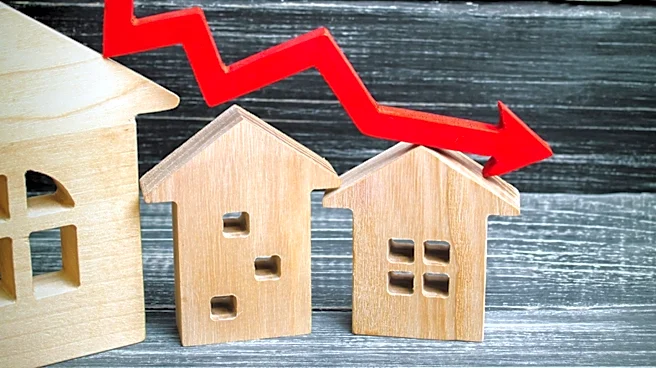
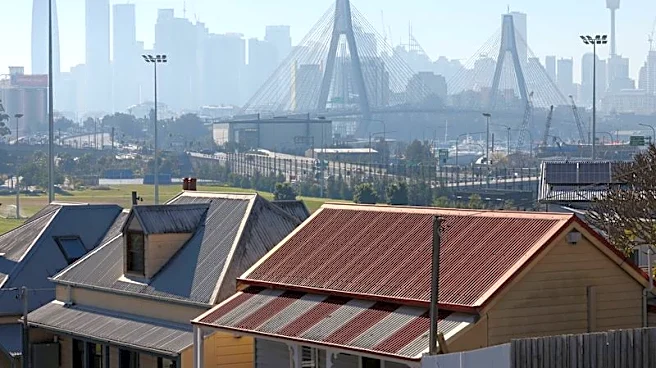
Australia's housing market is undergoing a significant downturn, with national dwelling values falling for seven consecutive months. According to Cotality's Home Value Index, national dwelling values decreased by 1.2% in October, bringing the total decline
to 6.7% below their March 2026 peak. Combined capital-city values have dropped by 8.1% over the same period, marking the fastest pace of correction in four decades. This slump is attributed to several factors, including higher mortgage rates that have reduced borrowing capacity and increased repayment costs, persistent cost-of-living pressures, and weaker consumer confidence. Additionally, changes to property investment tax incentives have contributed to reduced investor demand. The Reserve Bank of Australia (RBA) increased its official cash rate by 25 basis points to 4.85% in November, its fifth rate hike of 2026, despite the deteriorating housing conditions.
Why It's Important?
The rapid decline in Australia's housing market has significant implications for the broader economy and household financial stability. Australian households have substantial exposure to residential property, meaning falling valuations can create a negative wealth effect, prompting homeowners to save more and reduce discretionary spending. This could dampen retail sales, services activity, and overall household consumption, which are crucial components of Australia's GDP. Beyond homeowners, a prolonged slump in property transactions could adversely affect real estate agencies, construction businesses, mortgage brokers, and other industries reliant on housing turnover. While the RBA believes most borrowers would retain positive equity even with a 20% price decline, the immediate concern is the cumulative impact of higher debt-servicing costs, reduced household confidence, and decreased spending on economic growth and employment.
What's Next?
The RBA faces a policy dilemma: inflation remains high, necessitating restrictive monetary conditions, but prolonged high interest rates could exacerbate the housing downturn and weaken the economy. The RBA's November decision, though a rate hike, was accompanied by a divided vote and less explicit forward guidance, suggesting a potential nearing of the tightening cycle's end. However, if inflation remains elevated despite weaker growth, the RBA may be reluctant to cut rates, leading to a scenario of high interest rates and fragile domestic economic conditions. This uncertainty could limit the Australian dollar's upside and increase the risk of a recession. The housing market's trajectory will heavily influence future RBA decisions and the overall economic outlook, with potential for further declines if current pressures persist.
Beyond the Headlines
The housing market correction in Australia highlights the delicate balance between controlling inflation and maintaining economic stability. The RBA's divided vote on the latest rate hike underscores the internal debate among policymakers regarding the appropriate course of action. This situation could lead to increased scrutiny of monetary policy and its impact on different sectors of the economy. Furthermore, the negative wealth effect from falling property values could trigger a broader psychological shift among consumers, leading to more conservative financial behaviors and a re-evaluation of investment strategies. The long-term implications could include a more cautious approach to borrowing and a potential rebalancing of the housing market, moving away from the rapid appreciation seen in previous years, which could reshape the financial landscape for future generations of Australians.