


What's Happening?
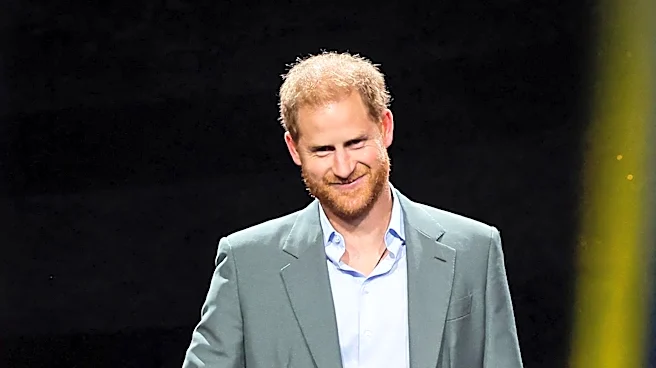
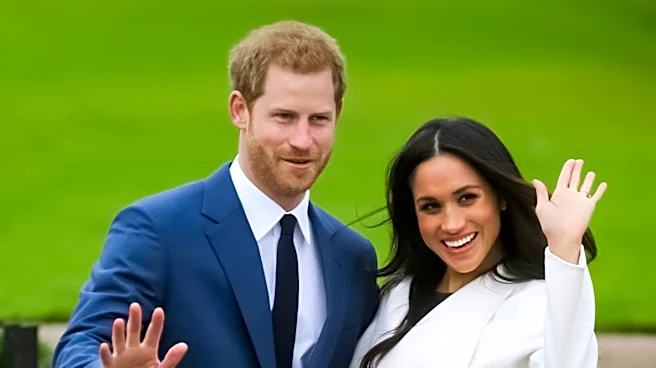
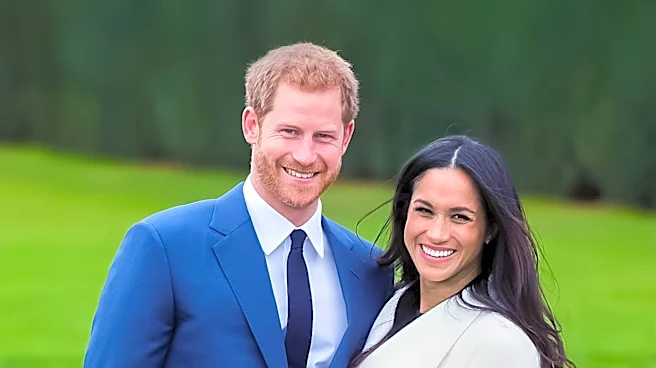
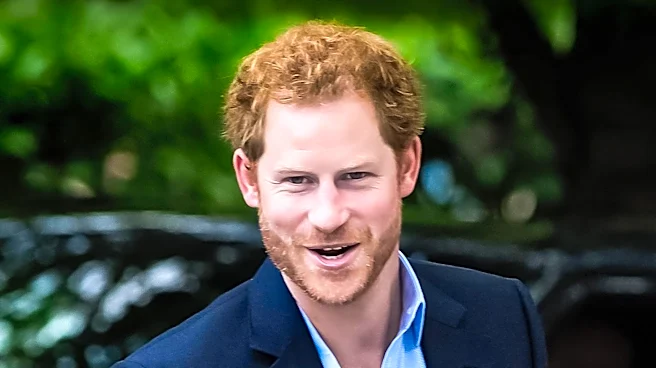
Prince Harry's recent appearance on ITV's 'This Morning' program has generated controversy due to alleged pre-conditions set by the Duke regarding interview topics. According to an insider, Prince Harry provided a list of subjects he refused to discuss,
which ITV reportedly agreed to. This arrangement led to a 'light-hearted' conversation that avoided sensitive issues such as his father-in-law Thomas Markle Snr's arrest or his alleged estrangement from Prince William. ITV staff are reportedly 'furious' about this agreement, questioning the broadcaster's independence and the precedent it sets for future interviews with public figures, particularly other members of the Royal Family. The Duke discussed his family's recent move to the United Kingdom and the upcoming Invictus Games in Birmingham in 2027 during the interview.
Why It's Important?
This incident highlights a growing tension between public figures, particularly those with high profiles like Prince Harry, and media outlets regarding control over interview narratives. The alleged agreement by ITV to restrict discussion topics raises concerns about journalistic integrity and the ability of media to hold powerful individuals accountable. For ITV, this could damage its reputation for independent reporting and potentially alienate staff who feel their professional standards were compromised. From Prince Harry's perspective, controlling the narrative allows him to present a curated public image, focusing on preferred topics and avoiding potentially damaging or uncomfortable questions. However, this approach can also lead to accusations of media manipulation and a lack of transparency, potentially undermining public trust.
What's Next?
The immediate aftermath of this controversy will likely involve continued debate within media circles about the ethics of pre-agreed interview conditions. ITV may face internal pressure to clarify its policies on guest demands and journalistic independence. For Prince Harry, this event could influence how future media engagements are perceived and negotiated. It might also reinforce the perception among some that he is selective in his public appearances, choosing platforms where he can control the narrative. The long-term repercussions could include a more cautious approach by other media outlets when dealing with high-profile individuals who seek to impose strict interview conditions, potentially leading to fewer in-depth or challenging interviews.
Beyond the Headlines
This situation touches upon broader themes of media power, celebrity culture, and the public's right to information. In an era where public figures often have direct access to audiences through social media, the role of traditional media as gatekeepers and interrogators is constantly evolving. The alleged agreement between Prince Harry and ITV could be seen as a symptom of this shift, where the interviewee holds significant leverage. It also raises questions about the commercial pressures on media organizations to secure high-profile guests, even if it means compromising on journalistic principles. Ultimately, this incident underscores the ongoing struggle to balance the public's interest in transparency with the desire of public figures to manage their image and control their stories.