



What's Happening?
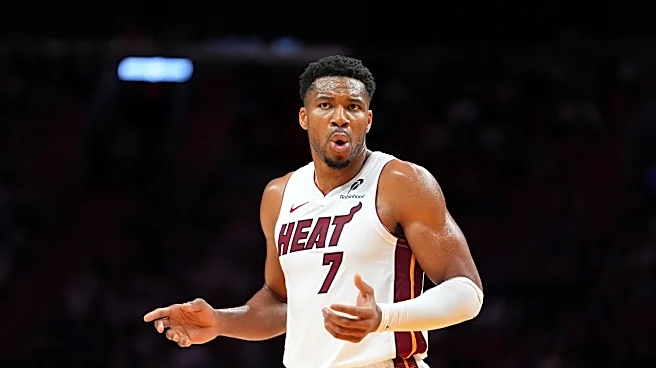
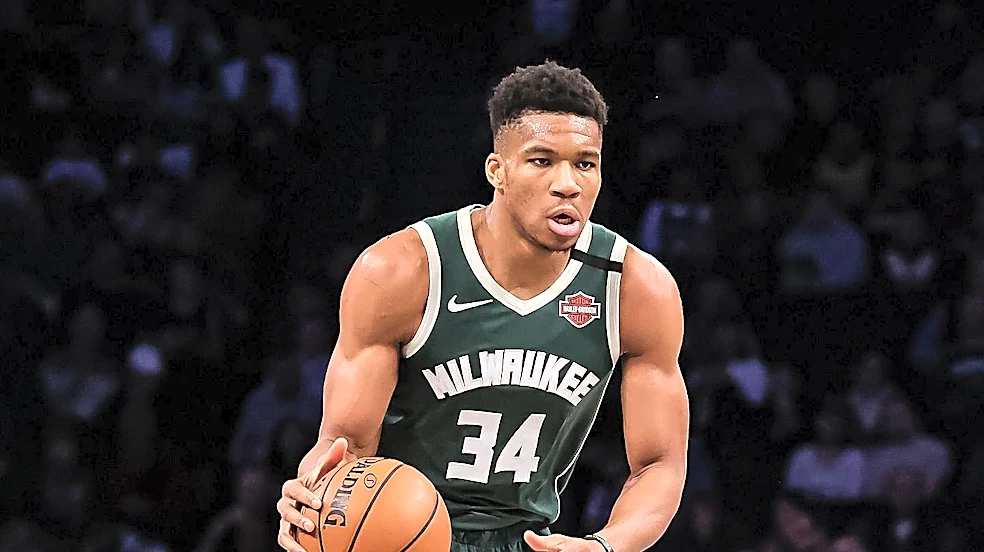
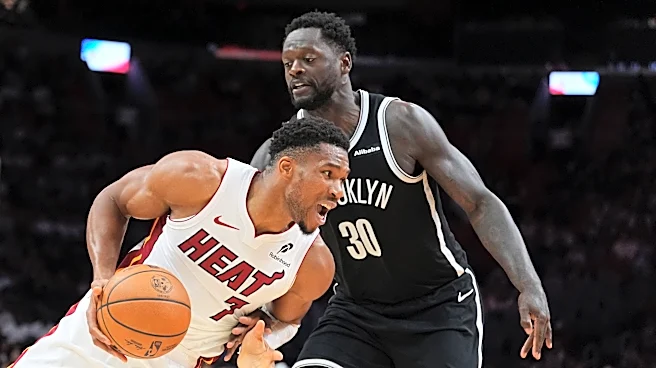
Giannis Antetokounmpo, a prominent NBA player, has expressed a significantly changed perception of coach Erik Spoelstra. Antetokounmpo initially viewed Spoelstra as 'very militant and very tough and maybe bordering like an asshole' when playing against
his teams. However, after having interactions with Spoelstra, Antetokounmpo now describes him as 'an amazing human being,' 'very supportive, caring, honest,' and someone who 'lets you go, he lets you be yourself and play and do what you really do.' He also noted that Spoelstra 'fills you up with confidence,' indicating a positive shift in his understanding of the coach's leadership style.
Why It's Important?
This shift in perception from a high-profile player like Giannis Antetokounmpo is important because it highlights the often-misunderstood nature of coaching in professional sports. It underscores that external appearances or competitive interactions can create inaccurate impressions of individuals. For Spoelstra, this endorsement from a superstar player reinforces his reputation as an effective and player-centric coach, which can be a significant asset in attracting and retaining talent in the highly competitive NBA. It also provides a valuable lesson in leadership, demonstrating that a coach's true impact often lies in their ability to foster confidence and allow players to express themselves, rather than solely through strict discipline. This positive feedback can enhance Spoelstra's standing within the league and among prospective players.
What's Next?
While the source does not explicitly state what's next, Antetokounmpo's comments suggest a potential future interest in playing for Spoelstra, as he stated, 'I am excited to play for him.' This sentiment, coming from a player of his caliber, could influence future free agency decisions or trade considerations within the NBA. For Spoelstra, this public praise further solidifies his coaching philosophy and could attract other players who value a supportive and confidence-building environment. The interaction also serves as a reminder for players and coaches alike about the importance of direct communication and understanding beyond on-court rivalries. This positive relationship could also foster greater respect and sportsmanship across the league.
Beyond the Headlines
Antetokounmpo's candid reflection on his initial 'militant' perception versus his current 'supportive' view of Spoelstra delves into the psychological aspects of competition and human interaction. It illustrates how rivalries can sometimes distort perceptions, and how direct engagement can lead to a more nuanced and accurate understanding of character. This dynamic is not unique to sports but is prevalent in various professional fields where competitive environments can foster misjudgments. The revelation also speaks to the evolving nature of leadership, where traditional 'tough' approaches are increasingly being balanced with empathy, support, and the empowerment of individuals. It suggests that effective leadership in modern contexts often involves building trust and confidence, allowing individuals to thrive by being their authentic selves.