





What's Happening?
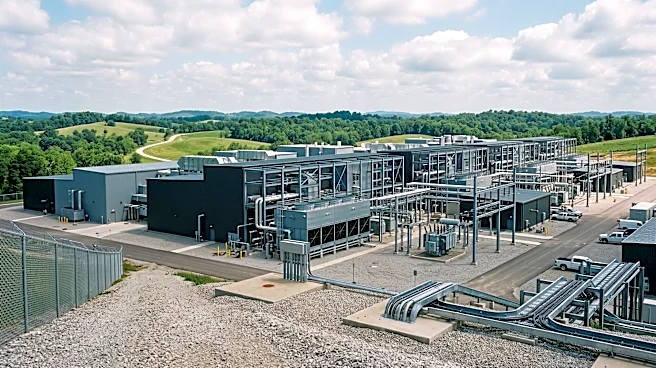
Ford Motor Company is actively recruiting a Finance Supervisor for its newly established, wholly-owned subsidiary, Ford Energy, located in Glendale, Kentucky. Ford Energy is dedicated to advancing U.S. energy independence by designing, manufacturing,
and servicing grid-scale and commercial DC battery energy storage systems (BESS). The Finance Supervisor will play a crucial role in developing financial processes, creating budgets and business plans, and ensuring the accuracy of financial statements for this new venture. This position requires a dynamic individual with strong business acumen, capable of creating new business processes and working across various organizational functions such as strategy, legal, and operations. The role emphasizes a continuous improvement mindset to build a lean and flexible organization, with a focus on leveraging technology to modernize the cost operating system. The successful candidate will initially be employed by Ford and is expected to transition to the subsidiary within one year.
Why It's Important?
The establishment of Ford Energy and the recruitment of key personnel like the Finance Supervisor underscore Ford Motor Company's strategic pivot towards the energy sector and its commitment to U.S. energy independence. This initiative is significant for the U.S. economy as it aims to capture the growing demand for reliable, domestically-built energy storage systems, potentially creating new jobs and fostering technological innovation within the country. By leveraging its manufacturing expertise and battery technology, Ford is positioning itself as a major player in the energy storage market, which is critical for grid stability and the integration of renewable energy sources. This move could also influence other automotive manufacturers to diversify into energy solutions, further stimulating economic growth and competition in the green energy sector. The development of robust financial processes and leadership within Ford Energy is essential for its long-term success and its ability to contribute meaningfully to the national energy infrastructure.
What's Next?
The immediate next step for Ford Energy is to successfully fill key leadership positions, such as the Finance Supervisor, to build out its operational and financial infrastructure. Once these roles are established, the focus will shift to the development and implementation of financial processes, budgeting, and business planning to support the design, manufacturing, and servicing of battery energy storage systems. The company will also work on integrating its operations with Ford Motor Company's existing capabilities while establishing its independent identity. Over the next year, the Finance Supervisor, along with other new hires, will transition fully to the Ford Energy subsidiary. This period will involve significant collaboration with various internal and external stakeholders to ensure that the financial framework aligns with the overall strategy of accelerating U.S. energy independence and meeting market demands for BESS technology.
Beyond the Headlines
Ford's venture into grid-scale battery energy storage systems through Ford Energy represents a broader trend of traditional industries adapting to and driving the energy transition. This move highlights the increasing convergence of the automotive and energy sectors, driven by advancements in battery technology and the global push for sustainable energy solutions. Beyond the immediate business implications, Ford Energy's focus on U.S. energy independence carries significant geopolitical and national security implications, reducing reliance on foreign energy sources and strengthening domestic infrastructure. The initiative also underscores the ethical responsibility of large corporations to contribute to environmental sustainability and technological advancement. The success of Ford Energy could serve as a blueprint for other industrial giants looking to leverage their core competencies to address pressing global challenges, potentially leading to a more resilient and sustainable energy future for the U.S.