




What's Happening?
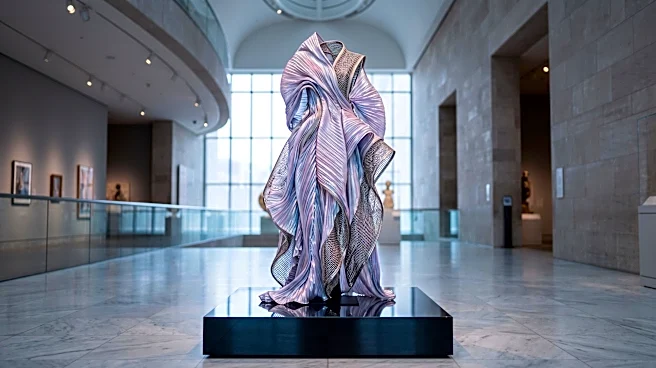
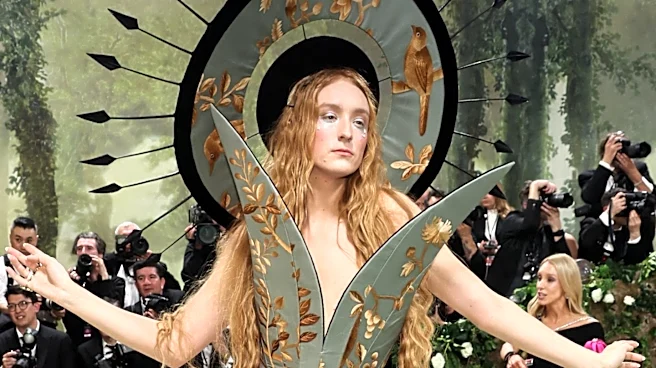
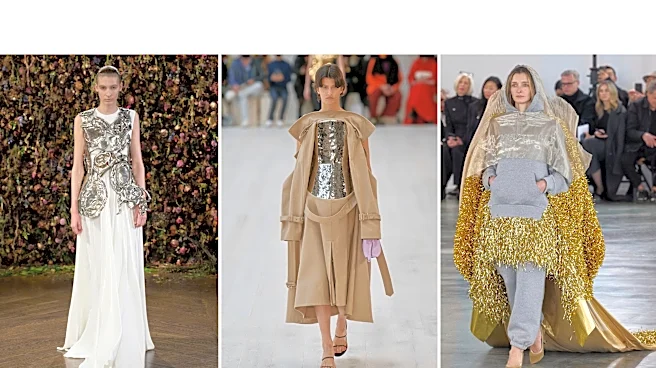
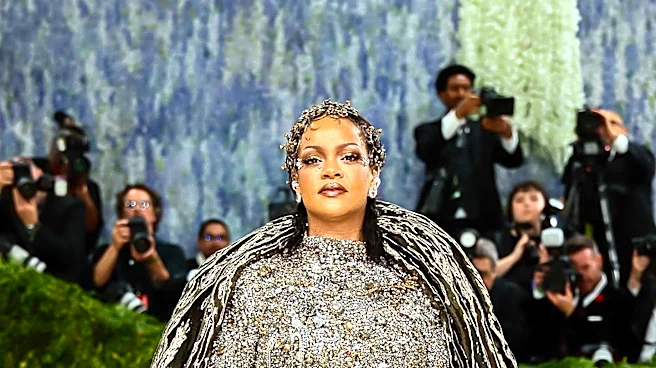
The Metropolitan Museum of Art has announced the theme for the 2027 Met Gala and Costume Institute exhibition: 'extraORDINARY: Fashion and the Poetics of the Everyday.' This theme will explore how everyday clothing staples, such as T-shirts and jeans,
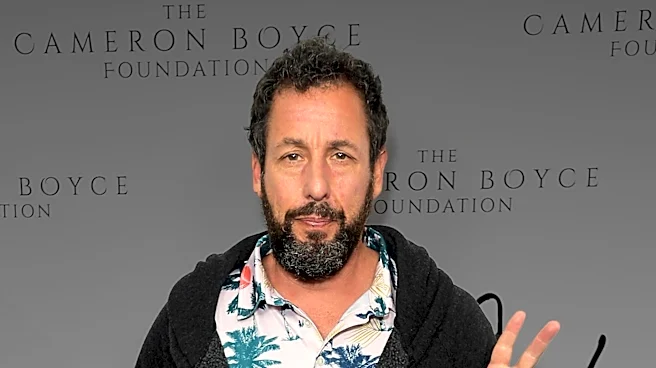
can be elevated into high fashion, and how unconventional materials like paper and plastic can be reimagined as wearable art. The announcement follows the withdrawal of John Galliano as the original honoree due to past controversies. Andrew Bolton, Curator in Charge of the Costume Institute, stated that the new theme aims for 'contemporary resonance' and seeks to be challenging and provocative. Following the theme's reveal, social media users have launched a campaign advocating for actor Adam Sandler to attend the prestigious event, citing his famously casual and comfortable style, which has been dubbed 'Sandlercore,' as a perfect fit for the 'everyday fashion' concept. Sandler was even named Vogue's Fashion Icon in 2021, with writer Liana Satenstein noting his 'pandemic style' of sweatpants and sweatshirts.
Why It's Important?
The selection of 'extraORDINARY: Fashion and the Poetics of the Everyday' as the Met Gala theme signifies a potential shift in high fashion's engagement with mainstream culture and accessibility. By focusing on everyday attire and unconventional materials, the event could democratize fashion, making it more relatable to a broader audience beyond traditional haute couture enthusiasts. This theme challenges conventional notions of glamour and exclusivity, potentially influencing future fashion trends and design philosophies towards comfort, sustainability, and innovative material use. The public's strong reaction and campaign for Adam Sandler's inclusion highlight a growing desire for authenticity and relatability in celebrity culture and high-profile events. If Sandler were to attend, it could further bridge the gap between celebrity and everyday style, potentially inspiring a new wave of fashion appreciation that values comfort and personal expression over strict adherence to formal dress codes. This could also impact the fashion industry by encouraging designers to explore more practical and accessible aesthetics.
What's Next?
The Met Gala is scheduled for 2027, and the public's campaign for Adam Sandler's attendance is likely to continue and intensify as the event approaches. While the Met Gala's guest list is highly exclusive and curated, the widespread social media attention could put pressure on organizers to consider figures who embody the theme in unconventional ways. The fashion industry will be closely watching how designers interpret 'everyday fashion' and 'unconventional materials,' which could lead to innovative collections and a re-evaluation of what constitutes 'high fashion.' The event could also spark broader conversations about sustainability in fashion, the role of comfort in modern attire, and the evolving definition of style in a post-pandemic world. The success of this theme could set a precedent for future Met Galas to explore more contemporary and culturally relevant concepts, moving away from purely historical or designer-centric themes.
Beyond the Headlines
The 'extraORDINARY: Fashion and the Poetics of the Everyday' theme, coupled with the public's embrace of 'Sandlercore,' reflects a deeper cultural shift towards valuing comfort, authenticity, and individual expression over rigid formality. This trend, accelerated by the pandemic, suggests a re-evaluation of societal norms around dress codes and public appearance. The campaign for Adam Sandler, a figure known for his anti-fashion stance, to be recognized at fashion's most prestigious event, underscores a growing fatigue with performative glamour and a yearning for genuine self-representation. This could have long-term implications for how celebrities are perceived and how fashion brands market their products, potentially leading to a more inclusive and less aspirational approach to style. It also highlights the power of social media in shaping cultural narratives and influencing traditional institutions like the Met Gala, demonstrating how public sentiment can challenge and redefine established norms in the arts and entertainment world.