

What's Happening?
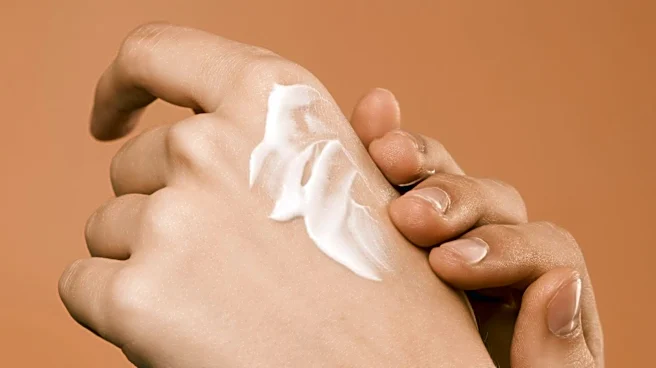
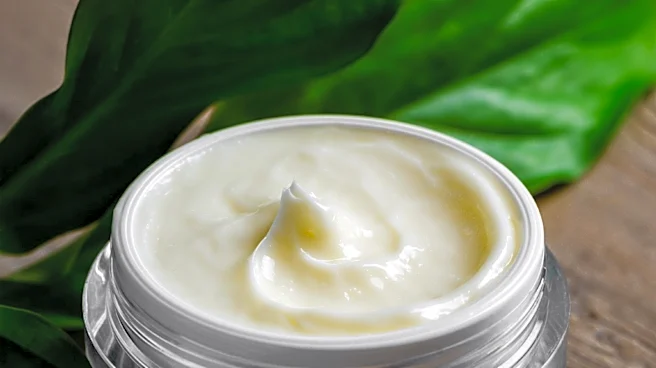
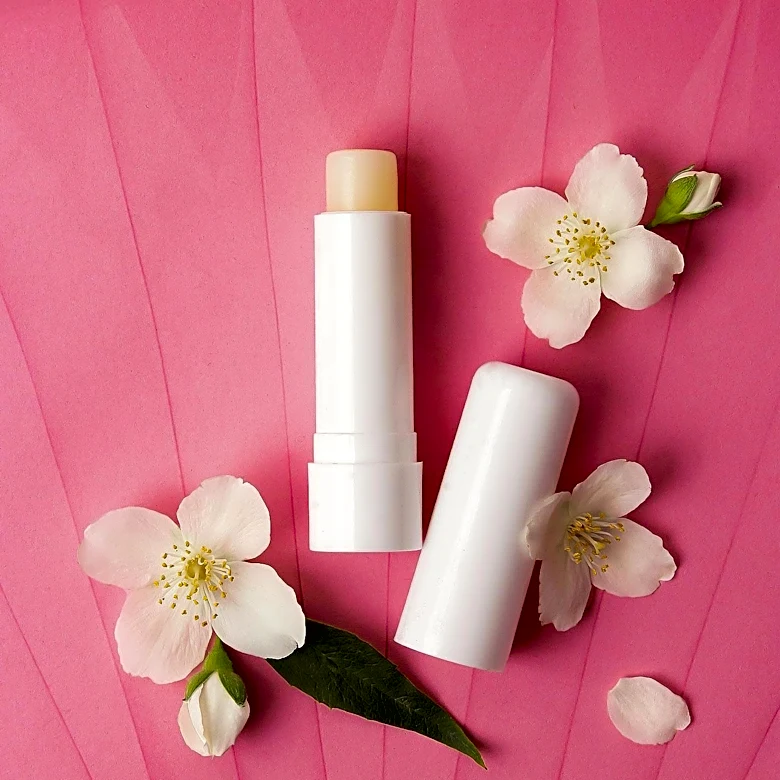
Petroleum jelly, a purified mixture of mineral oils and waxes, is widely recognized for its occlusive properties, creating a physical barrier on the skin to prevent transepidermal water loss (TEWL). While effective for healing minor cuts, protecting chapped
lips, and soothing dry skin by locking in existing moisture, it does not actively reduce or prevent wrinkles. Experts clarify that petroleum jelly is a passive ingredient; it does not penetrate the skin to deliver vitamins, stimulate cellular renewal, or repair structural damage like collagen and elastin breakdown. Any temporary smoothing or plumping effect observed is due to surface hydration, addressing 'dehydration lines' rather than true wrinkles. For anti-aging, a layered approach with humectants (like hyaluronic acid), emollients, and active ingredients such as peptides, vitamin C, and AHAs is recommended over petroleum jelly alone.
Why It's Important?
This clarification is crucial for consumers seeking effective anti-aging solutions, as it distinguishes between temporary cosmetic effects and genuine skin rejuvenation. For the skincare industry, it reinforces the value of advanced formulations containing active ingredients that target the biological causes of aging. Brands that rely on science-backed botanical and dermatological ingredients stand to gain credibility, while those promoting simpler occlusives for anti-aging may face scrutiny. This information empowers consumers to make more informed purchasing decisions, potentially shifting demand towards products with proven active ingredients. It also highlights the importance of understanding product functions to avoid misapplication or unrealistic expectations, ultimately promoting better skincare practices and potentially influencing product development towards more comprehensive, multi-functional solutions.
What's Next?
As consumer awareness grows regarding the limitations of petroleum jelly for anti-aging, there may be a continued shift in the skincare market towards products that offer active repair and deep hydration. Skincare brands are likely to further emphasize the scientific benefits of ingredients like hyaluronic acid, peptides, and antioxidants in their anti-aging lines. Educational campaigns from dermatologists and beauty experts will likely continue to differentiate between occlusive barriers and active treatment ingredients. Consumers can expect to see more sophisticated product layering recommendations and a greater focus on personalized skincare routines that address specific aging concerns with targeted ingredients. This could also lead to increased innovation in formulations that combine effective barrier protection with active anti-aging compounds, offering comprehensive solutions.
Beyond the Headlines
The discussion around petroleum jelly's role in skincare reflects a broader trend of consumers seeking transparency and efficacy in their beauty products. It challenges the notion that simple, inexpensive remedies can replace scientifically formulated treatments for complex issues like aging. This conversation also touches upon the ethical responsibility of beauty brands to accurately represent product benefits, moving away from marketing hype towards evidence-based claims. Furthermore, it underscores the importance of understanding skin physiology and the different ways ingredients interact with the skin. This deeper understanding can foster a more critical approach to beauty trends, encouraging consumers to prioritize long-term skin health over quick fixes and promoting a more informed and discerning beauty culture.