







What's Happening?
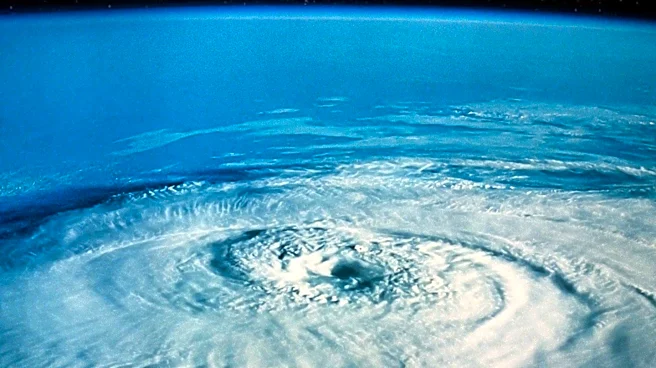
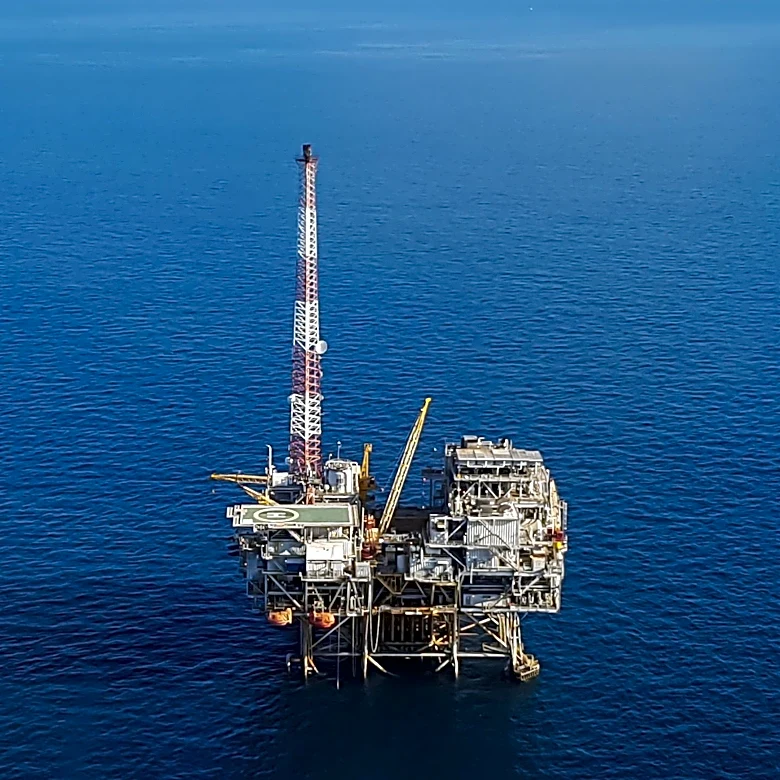
Chevron has temporarily ceased operations at its Petronius facility in the U.S. Gulf of Mexico due to the impending arrival of Tropical Storm Bertha. The company has evacuated all personnel from the platform and is relocating nonessential staff from its Tubular
Bells and Blind Faith platforms. This precautionary measure is part of Chevron's standard safety protocols in response to severe weather forecasts. Tropical Storm Bertha, which developed from Tropical Depression Two, is expected to bring significant rainfall and potential storm surges to the region. While other Gulf sites remain operational, the shutdown of the Petronius facility has caught the attention of market participants, who are concerned about potential disruptions to oil supply.
Why It's Important?
The temporary shutdown of Chevron's Petronius facility highlights the vulnerability of oil production in the Gulf of Mexico to severe weather events. This move could lead to disruptions in oil supply, which may impact WTI Crude Oil prices. The market is already showing signs of fluctuation, with odds for WTI reaching higher price targets in July varying as the storm's trajectory and intensity continue to develop. Such disruptions can have broader economic implications, affecting not only oil prices but also related industries and markets. The situation underscores the importance of robust safety measures and contingency planning in the face of natural disasters.
What's Next?
Observers will be closely monitoring updates on Tropical Storm Bertha's path and intensity, as these factors will influence further operational decisions by Chevron and other oil producers in the Gulf. The market will also be attentive to any announcements from OPEC+ or geopolitical developments that could affect oil prices. If the storm strengthens or additional shutdowns occur, it could lead to scenarios where WTI prices increase. Stakeholders will need to remain vigilant and responsive to the evolving situation.