





What's Happening?
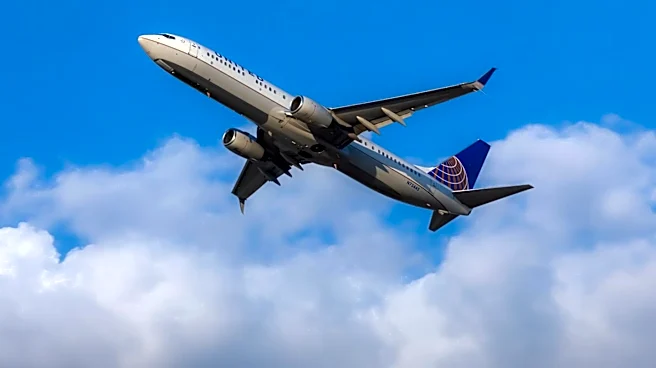
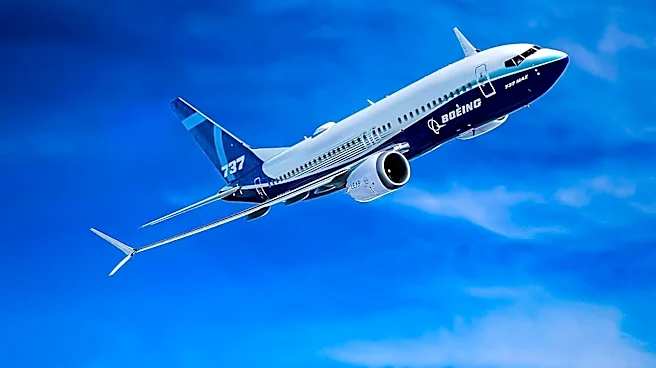
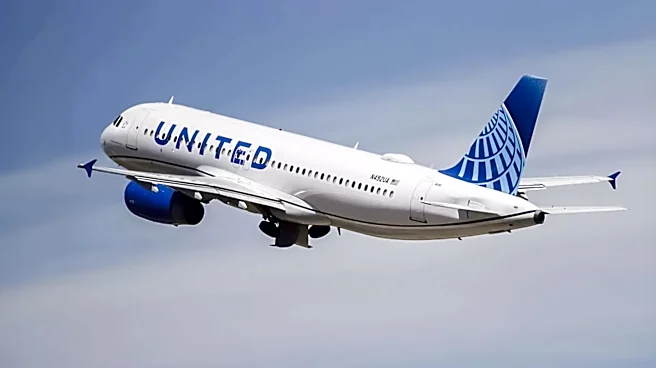
United Airlines is currently holding hundreds of lie-flat premium seats that were originally ordered for the Boeing 737 Max 10 aircraft. The certification of the Max 10 has been significantly delayed, running more than six years behind its initial 2020
target. United CEO Scott Kirby stated that the airline does not know what to do with these seats, as they are specifically designed for the Max 10 and do not fit on other aircraft. United has 167 Max 10s on order and now anticipates receiving its first delivery in the summer of 2027. In response to these delays, United has already retrofitted 20 Airbus A321neo jets, dubbed "Coastliner," with new Polaris suites and premium economy seating for transcontinental routes, as Airbus and Boeing seats are not interchangeable.
Why It's Important?
This situation highlights the significant operational and financial challenges airlines face due to manufacturing delays from major aircraft suppliers like Boeing. The inability to utilize hundreds of premium seats represents a substantial capital investment that is currently unproductive for United Airlines. The delay of the Boeing 737 Max 10 has forced United to adapt its fleet strategy, including retrofitting other aircraft, which incurs additional costs and potentially delays the realization of planned premium cabin offerings. While United's ability to adapt by retrofitting Airbus jets demonstrates resilience, these delays can impact revenue generation from premium services and overall fleet modernization plans. The ongoing issues with the Max 10 also underscore broader concerns about supply chain reliability and the impact on airline capacity and profitability in the U.S. market.
What's Next?
United Airlines will continue to await the certification and delivery of the Boeing 737 Max 10, with the first aircraft now expected in summer 2027. In the interim, the airline will need to manage the storage and potential repurposing or disposal of the hundreds of specialized premium seats. Boeing's progress on the Max 10's certification, including the completion of its final certification flight, suggests that the program is moving forward, but further delays could still occur. United will also continue to assess its fleet strategy, potentially making further adjustments to mitigate the impact of these delays on its network and premium offerings. The situation will likely influence future aircraft procurement decisions and contractual agreements between airlines and manufacturers, emphasizing penalties for significant delays.
Beyond the Headlines
The predicament faced by United Airlines with the Max 10 seats extends beyond a simple logistical issue; it reflects the intricate and often challenging relationship between major airlines and aircraft manufacturers. Such delays can ripple through an airline's entire business model, affecting route planning, passenger experience, and financial projections. The specialized nature of aircraft components, like lie-flat seats, underscores the lack of interchangeability and the high cost of customization, making it difficult to reallocate resources when plans change. This situation also brings to light the broader implications for the aviation industry's supply chain and the potential for single-source dependencies to create vulnerabilities. It could prompt airlines to diversify their orders across manufacturers or demand more robust contractual protections against prolonged delays, ultimately influencing the future design and procurement processes for commercial aircraft.