




What's Happening?
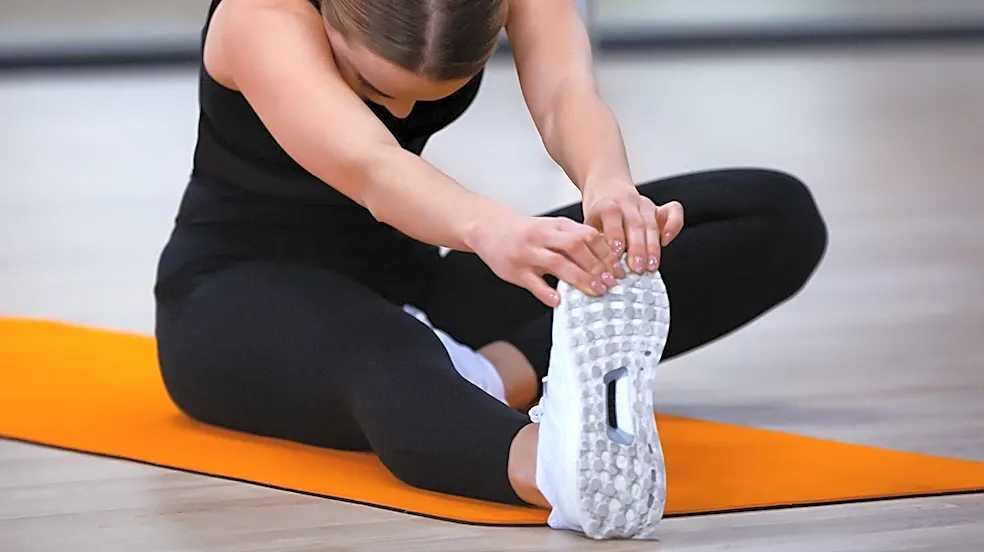
Assisted stretching, a practice where a trained specialist guides an individual's body through controlled movements, is gaining traction as an effective method for improving mobility and range of motion. Unlike self-stretching, assisted stretching allows
for deeper and more precise movements by stabilizing joints and isolating specific muscles. Practitioners often utilize techniques like Proprioceptive Neuromuscular Facilitation (PNF), which involves alternating deep stretches with brief muscle contractions. This method enables the body to achieve greater range-of-motion gains because the individual can fully relax while the specialist manages the movement. According to Alyssa Loose, a lead stretch specialist at Life Time Denver West, a trained eye can assess limitations and apply targeted stretches with calibrated intensity, leading to more effective results than stretching alone. The Cleveland Clinic recommends maintaining active dialogue with the practitioner during sessions to ensure gradual and pain-free progression into deeper ranges.
Why It's Important?
The rise of assisted stretching signifies a growing emphasis on functional mobility and joint health beyond traditional flexibility. While deep-tissue massages primarily focus on soft tissue and relaxation, assisted stretching directly addresses the mechanics of joints and muscles, aiming to improve their function. This distinction is crucial for individuals seeking to alleviate chronic stiffness, correct movement imbalances, and enhance daily physical performance. The benefits extend beyond athletes to include those with sedentary desk jobs, individuals undergoing intense training without adequate recovery, and older adults aiming to maintain mobility. Improved mobility can lead to better posture, reduced discomfort in everyday activities, and enhanced performance in physical endeavors like strength training. The scientific community supports these benefits, with research indicating that regular stretch training can reliably increase joint range of motion, particularly with long-term static and PNF stretching.
What's Next?
The trend of assisted stretching studios is likely to continue expanding, with more individuals seeking specialized help for their mobility needs. As awareness grows regarding the distinct benefits of assisted stretching over other forms of bodywork, demand for trained specialists will increase. For consumers, this means more accessibility to professional sessions, though costs typically range from forty-five to over a hundred dollars per session. Specialists generally recommend one to two visits per week initially to build momentum, with many clients reporting noticeable improvements in posture and comfort within a few sessions. The broader clinical consensus, including advice from institutions like the Mayo Clinic, emphasizes consistency in stretching major muscle groups several days a week with slow, pain-free movements, suggesting that assisted stretching could become a regular part of many people's wellness routines.
Beyond the Headlines
The growing popularity of assisted stretching highlights a broader cultural shift towards proactive physical well-being and specialized care. It underscores a recognition that general fitness routines often overlook the nuanced requirements of joint mobility and muscle function. This trend also points to an increasing willingness among consumers to invest in personalized health services that offer targeted solutions for specific physical challenges. Ethically, the practice emphasizes the importance of qualified practitioners who understand human anatomy and can safely guide clients through movements, preventing injury. Legally, as the industry grows, there may be a need for standardized certifications and regulations to ensure client safety and professional competence. Culturally, it reflects a move away from a 'one-size-fits-all' approach to fitness, favoring tailored interventions that address individual body mechanics and lifestyle demands, ultimately promoting a more functional and pain-free existence.