








What's Happening?
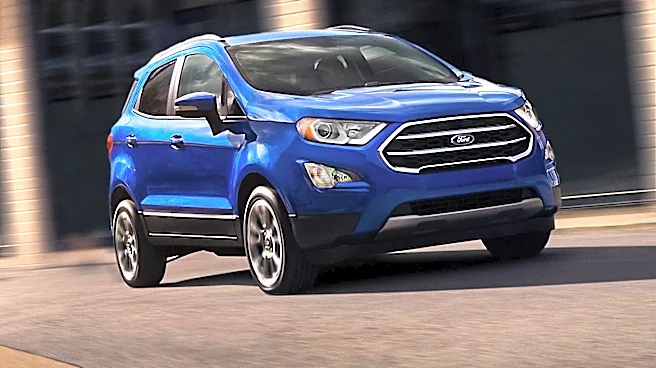
A proposed class action lawsuit has been filed against Ford by a California man, Jason Bullock, who alleges that the automaker plans to keep a projected $1.3 billion tariff-related benefit while maintaining higher prices for consumers. The lawsuit claims
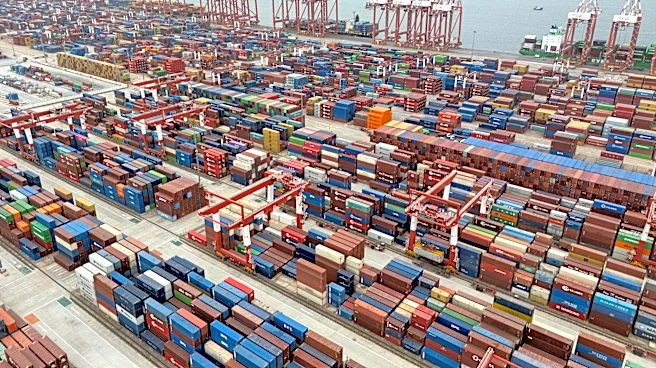
that Ford increased prices in response to President Trump's tariffs and has not reimbursed customers despite receiving tariff refunds. The tariffs, imposed under the International Emergency Economic Powers Act, affected goods from Canada, Mexico, and China, leading to increased costs across the auto industry.
Why It's Important?
The lawsuit against Ford highlights the broader impact of tariff policies on the auto industry and consumer pricing. As companies receive tariff refunds, the question of how these funds are utilized becomes critical, particularly in terms of consumer fairness and corporate accountability. The case underscores the legal and ethical challenges businesses face in navigating tariff-related financial adjustments. The outcome could set a precedent for how companies handle tariff refunds and influence future consumer protection and trade policies.
What's Next?
The lawsuit's progression will be closely watched, as it may impact Ford's financial strategies and consumer relations. Legal experts suggest that the case's outcome could hinge on class certification and the interpretation of tariff-related financial benefits. The broader implications for the auto industry and other sectors affected by tariffs will depend on the legal precedents set by this case. As the situation unfolds, companies may need to reassess their pricing strategies and transparency in handling tariff-related financial adjustments.