





What's Happening?
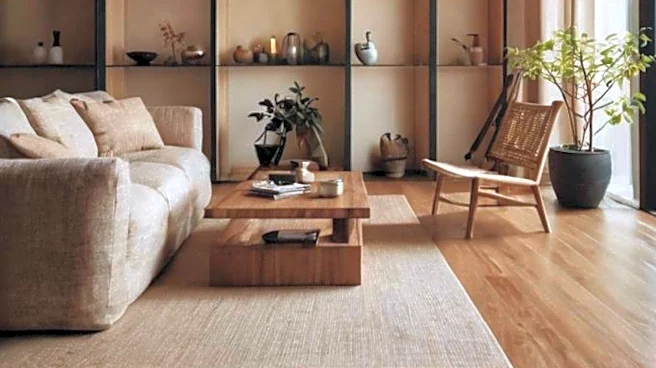
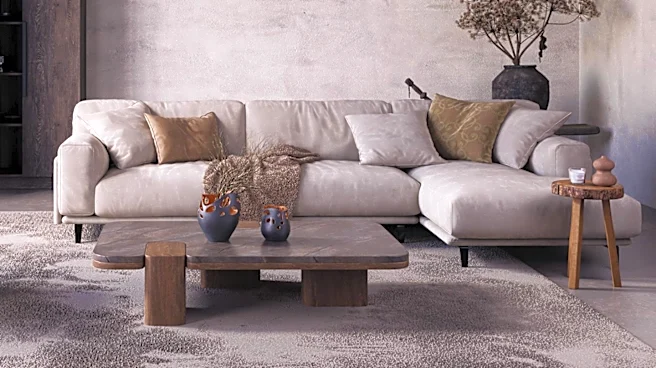
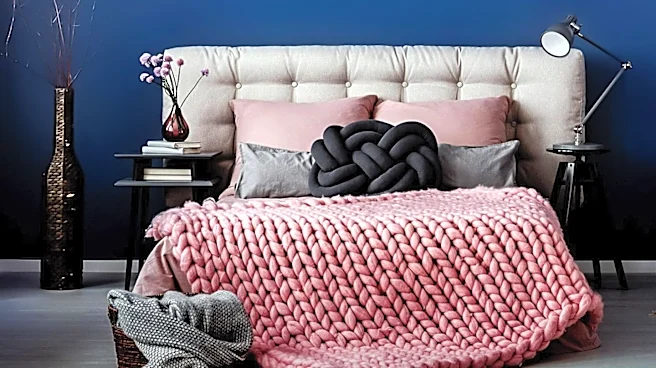
ruma, a Malaysian home furnishing company, is focusing on making good design accessible to a broader market, aiming to refresh Malaysian homes with furniture and decor that reflect individual tastes. CEO GK Hong highlights the company's mission to offer
high-quality yet affordable designs, moving away from mass-produced, impersonal items and expensive imports. ruma operates seven large-format physical stores and an online store, showcasing a diverse range of furniture, decor, and home-living products across various styles and price points. The company emphasizes thoughtful furniture design, adjusting dimensions and materials to suit compact homes and changing lifestyles, such as incorporating pet-friendly fabrics. ruma also maintains consistent pricing across its online and in-store channels to build customer trust and simplify the shopping experience.
Why It's Important?
While this article focuses on the Malaysian market, the underlying principles of accessible design, evolving consumer tastes, and the integration of online and physical retail have significant parallels and implications for the U.S. home furnishings industry. U.S. consumers are increasingly seeking personalized, functional, and value-driven home decor options, moving away from generic, mass-market aesthetics. Companies in the U.S. that can effectively blend affordability with unique design and cater to specific lifestyle needs, such as pet-friendly or space-saving solutions, are likely to gain a competitive edge. The emphasis on a seamless omnichannel shopping experience, where online and in-store prices are consistent, is also a critical factor for success in the U.S. retail landscape, as it builds customer loyalty and trust. U.S. businesses that adapt to these trends by offering diverse, well-designed, and accessible products, coupled with a strong customer experience, stand to benefit from the evolving consumer preferences.
What's Next?
For U.S. home furnishing retailers and designers, the trends highlighted by ruma's approach suggest a continued evolution towards more personalized and accessible design solutions. We can expect to see more U.S. companies investing in product development that caters to specific lifestyle niches, such as urban living, pet ownership, or sustainable choices. The integration of online and in-store experiences will likely become even more sophisticated, with technologies like augmented reality for home staging and personalized recommendations becoming standard. Furthermore, as global design influences continue to converge, U.S. consumers may see a broader array of international design aesthetics becoming more readily available and affordable. Companies that prioritize customer feedback and adapt quickly to these changing demands will be well-positioned for future growth.
Beyond the Headlines
The shift towards personalized and accessible home design, as exemplified by ruma, reflects a broader societal trend where consumers view their homes as extensions of their identity and values. In the U.S., this translates into a demand for products that not only serve a functional purpose but also tell a story, reflect individual style, and contribute to overall well-being. This movement challenges the traditional mass-production model, encouraging manufacturers to consider ethical sourcing, sustainable materials, and inclusive design principles. The emphasis on creating homes that feel 'personal, comfortable, and full of life' speaks to a deeper psychological need for sanctuary and self-expression in an increasingly complex world. This cultural shift could lead to a re-evaluation of what constitutes 'value' in home furnishings, moving beyond mere price to encompass design integrity, durability, and emotional connection.