



What's Happening?
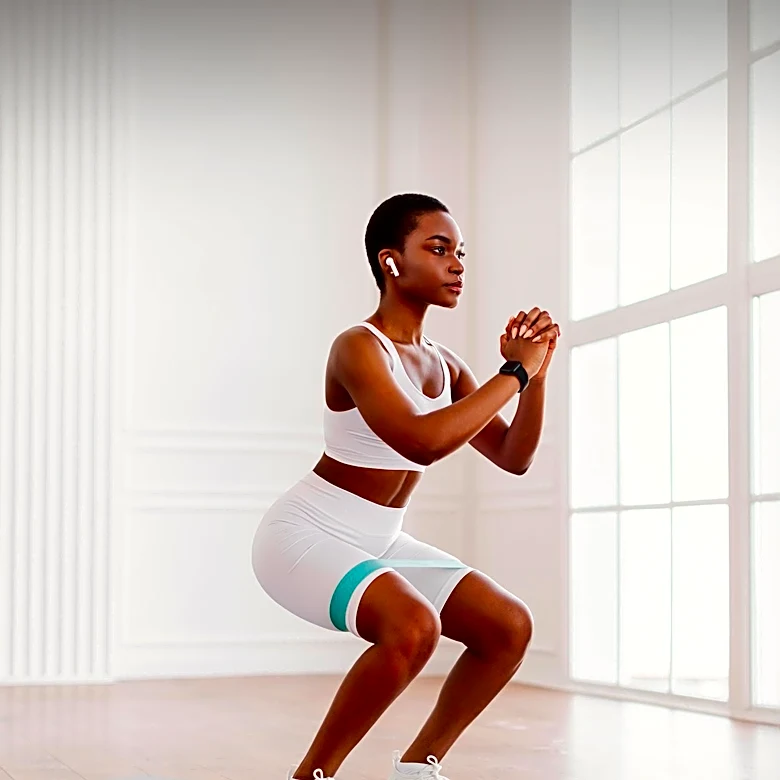
Bodyweight training, a form of resistance exercise utilizing one's own body weight, is gaining recognition for its accessibility and effectiveness in muscle building and improving cardiorespiratory fitness. This method, which includes exercises like squats,
lunges, push-ups, and planks, requires no specialized equipment, making it suitable for workouts at home, the gym, or while traveling. According to Virgin Active, bodyweight exercises work against gravity to challenge muscles and can be adapted to various fitness levels, from beginners to more advanced individuals. A study cited by Virgin Active found that push-ups and low-load bench presses yielded similar improvements in chest and triceps muscle thickness over eight weeks in a small group of young men. Furthermore, research from 2021 indicated that just 11 minutes of bodyweight interval training, performed three times a week for six weeks, enhanced cardiorespiratory fitness in previously inactive young adults.
Why It's Important?
The growing emphasis on bodyweight training is significant for public health and fitness accessibility across the U.S. Its no-equipment-needed nature removes financial and logistical barriers often associated with gym memberships or specialized gear, making strength training more attainable for a broader population. This is particularly crucial for individuals in remote areas or those with limited disposable income. The ability to modify exercises to suit different fitness levels ensures inclusivity, encouraging more people to engage in regular physical activity. By promoting muscle building and cardiovascular health without external weights, bodyweight training offers a sustainable and convenient pathway to improved physical well-being, potentially reducing the prevalence of sedentary lifestyles and related health issues.
What's Next?
As awareness of the benefits of bodyweight training grows, it is likely to be increasingly integrated into public health initiatives and personal fitness routines. Fitness professionals and organizations may develop more structured programs and resources to guide individuals in progressing their bodyweight workouts. The focus will remain on gradual progression, setting achievable goals, and maintaining correct techniques to prevent injury and maximize effectiveness. Educational campaigns could highlight the versatility of bodyweight exercises, encouraging people to incorporate them into their daily lives. This trend could also lead to innovations in fitness apps and online platforms offering personalized bodyweight training plans, further democratizing access to effective strength and cardio workouts.
Beyond the Headlines
The rise of bodyweight training reflects a broader cultural shift towards more minimalist and self-sufficient approaches to health and wellness. It challenges the conventional notion that extensive equipment or gym access is essential for achieving fitness goals. This movement could foster a greater sense of empowerment among individuals, demonstrating that significant physical improvements can be made with readily available resources—one's own body. Ethically, it promotes a more equitable approach to fitness, reducing disparities in access to physical activity. Culturally, it may encourage a re-evaluation of what constitutes a 'workout,' emphasizing functional strength and overall well-being over reliance on external tools or environments.