







What's Happening?
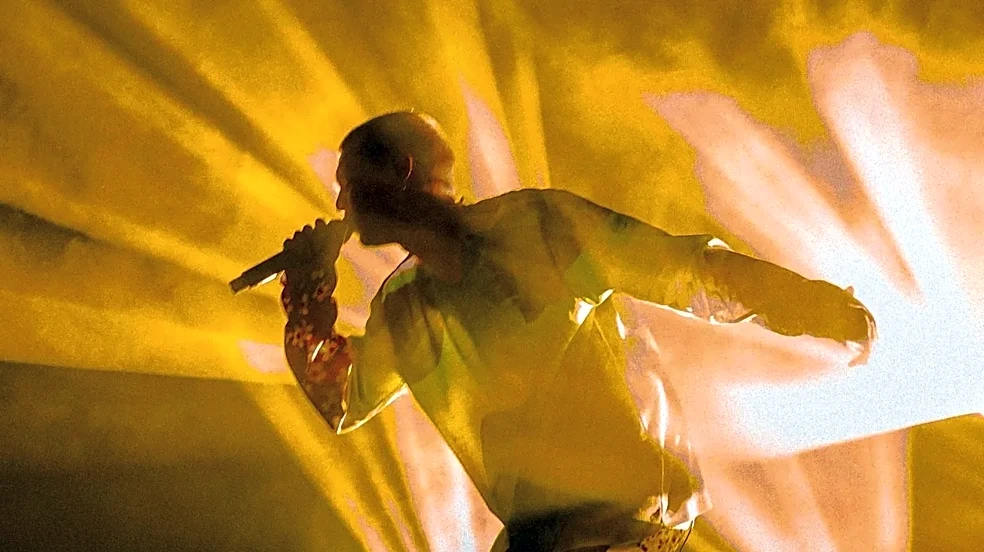
O'Shea Jackson, widely known as Ice Cube, has maintained a significant presence in hip-hop and popular culture for over three decades. Born in Los Angeles in 1969, he first gained prominence as a frontman for the influential group N.W.A in the late 1980s.
Following his time with N.W.A, Ice Cube launched a successful solo career, releasing critically acclaimed albums such as 'AmeriKKKa's Most Wanted' (1990), 'Death Certificate' (1991), and 'The Predator' (1992). His music is characterized by raw, unapologetic lyrics that frequently address social issues prevalent in inner-city life, including police brutality, racism, and social inequality. Beyond music, Ice Cube expanded into acting and writing, making his film debut in 'Boyz n the Hood' (1991) and starring in other notable films like 'Friday' (1995) and 'Barbershop' (2002). He has received numerous awards and nominations for his contributions to music and film, including a star on the Hollywood Walk of Fame in 2016. Ice Cube's career highlights his role as a historian and storyteller, using his platform to give a voice to the voiceless.
Why It's Important?
Ice Cube's career is important because it demonstrates the power of hip-hop as a medium for social commentary and activism. His unflinching honesty in addressing topics like police brutality and racial inequality has not only resonated with fans but has also inspired a generation of artists, including Kendrick Lamar, J. Cole, and Chance the Rapper. By using his music and film roles to highlight the harsh realities of inner-city life, Ice Cube has shaped public discourse around social justice. His work has encouraged other artists to speak truth to power, elevating hip-hop beyond mere entertainment to a platform for meaningful societal critique. This influence extends beyond the music industry, impacting how society perceives and discusses issues of inequality and systemic injustice. His legacy underscores the role of artists in driving social change and providing a voice for marginalized communities, making him a respected figure among peers and a beloved icon among fans.
What's Next?
As Ice Cube continues his career, his ongoing influence is likely to manifest in various forms. He remains active in both music and film, suggesting future projects that will continue to explore relevant social themes or entertain audiences. His role as a producer and writer also indicates potential for him to mentor new talent or develop stories that further his legacy of social commentary. Given his history of advocating for social justice, it is probable that he will continue to use his platform to address contemporary issues, potentially through new artistic endeavors or public advocacy. His established impact on hip-hop means that his work will continue to be studied and celebrated, influencing emerging artists and contributing to the genre's evolution. Furthermore, his entrepreneurial ventures, such as his record label and clothing line, may see further expansion, solidifying his business footprint alongside his artistic one.
Beyond the Headlines
Beyond his immediate artistic and commercial endeavors, Ice Cube's career has deeper implications for the cultural landscape of the United States. His consistent focus on social justice issues has contributed to a broader cultural acceptance of hip-hop as a legitimate and powerful form of political expression. This has helped to dismantle stereotypes about the genre and its artists, showcasing its capacity for intellectual depth and social critique. Ethically, his work challenges audiences to confront uncomfortable truths about American society, fostering a more critical engagement with issues of race, class, and power. Culturally, he has helped to preserve and amplify the narratives of marginalized communities, ensuring that their experiences are represented and understood within mainstream culture. His long-term impact lies in his role as a cultural bridge-builder, using his art to spark dialogue and promote understanding across diverse segments of society, ultimately contributing to a more nuanced and empathetic national conversation.