
What's Happening?
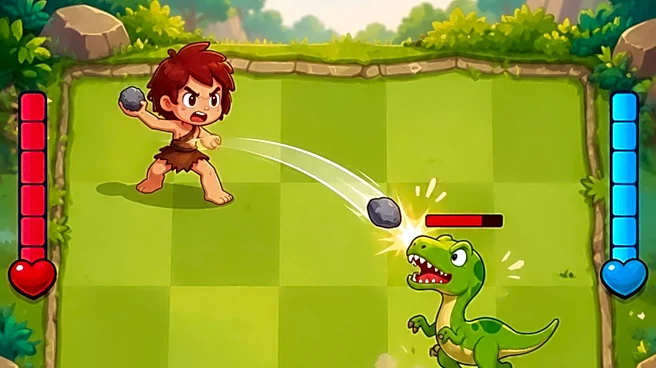
Spawn has launched an innovative platform that allows users to create multiplayer games through conversational AI, named Savi. This system enables individuals to describe their game ideas, and Savi, acting
as an AI game designer, builds the world, characters, and rules in real-time. The platform emphasizes a collaborative approach, where users can continuously refine their games through dialogue with Savi. Key features include the ability to create 2D or 3D games, multiplayer functionality from the outset, and the option for friends to join and build together. Spawn aims to democratize game development by removing the need for extensive coding knowledge, making it accessible to a broader audience. The platform also supports the integration of external coding agents and allows users to import their own assets, such as images, 3D models, and audio files. Spawn 6, the latest iteration, introduces features like connecting games with portals and editable files with saved change history.
Why It's Important?
This development is significant for the U.S. gaming industry and creative economy as it lowers the barrier to entry for game development. By enabling individuals without traditional coding or design skills to create games, Spawn could foster a new wave of independent game creators and unique gaming experiences. This shift could challenge established game development paradigms, potentially leading to more diverse and experimental games entering the market. The platform's emphasis on multiplayer and collaborative creation also aligns with growing trends in social gaming and user-generated content. Furthermore, Spawn's 'Creator Fund' and revenue-sharing model (50% to creators) offer a new economic opportunity for aspiring game developers, potentially allowing them to monetize their creations and pursue game development full-time. This could stimulate innovation and competition within the U.S. indie game scene, providing a fresh alternative to large studio productions.
What's Next?
Spawn plans to continue evolving its AI capabilities and platform features, with ongoing updates to Savi's AI models and the introduction of new functionalities. The company is actively encouraging community engagement through initiatives like 'SpawnJam,' a weekly game jam designed to foster creativity and collaboration among users. Future developments may include enhanced tools for asset creation, more sophisticated AI assistance, and broader integration with external development tools. The platform's success will likely depend on its ability to attract and retain a large user base, as well as the quality and originality of the games produced. As more creators adopt the platform, Spawn could become a significant player in the U.S. game development landscape, potentially influencing how games are conceived, developed, and consumed.
Beyond the Headlines
The emergence of AI-powered game creation platforms like Spawn raises broader questions about the future of creative industries and the role of artificial intelligence in artistic endeavors. While Spawn aims to empower creators, it also highlights the increasing automation of tasks traditionally requiring specialized human skills. This could lead to debates about intellectual property ownership for AI-generated content and the definition of 'authorship' in a collaborative human-AI context. Ethically, the platform's content moderation policies will be crucial in preventing the creation and dissemination of harmful or inappropriate games. Culturally, if successful, Spawn could democratize game creation to an extent similar to how YouTube democratized video content, leading to a vast and diverse ecosystem of games, some of which may push creative boundaries and redefine what a 'game' can be. The long-term impact on traditional game development education and career paths also remains to be seen.