









What's Happening?
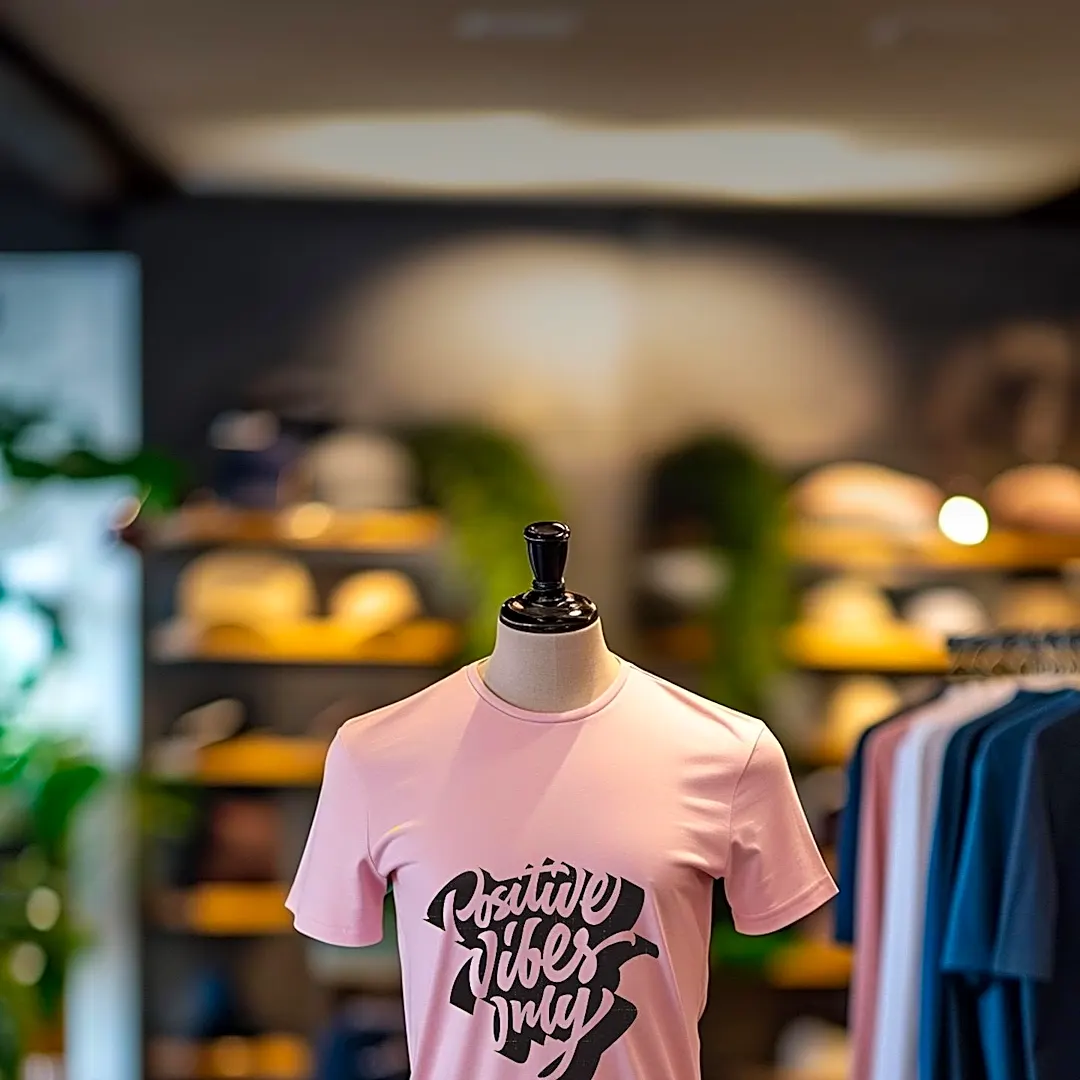
A boutique in Oxford, Ohio, is promoting sustainable fashion through its offering of thrift clothing and gifts. The store, located at 211 S Elm Street, focuses on providing unique, secondhand items that allow customers to express individual style rather
than follow fleeting trends. This approach aims to reduce fashion waste by extending the life of garments. The boutique also serves as a community hub, hosting Artist Spotlights and events, and offers a curated selection of gifts alongside its clothing. The owner emphasizes that thrifting provides an opportunity to find distinctive pieces at affordable prices, contributing to a more eco-friendly shopping experience.
Why It's Important?
This trend highlights a growing consumer preference for sustainability and individuality in fashion, particularly among younger demographics. By offering unique, pre-owned items, the Oxford, Ohio boutique addresses concerns about the environmental impact of fast fashion and provides an alternative to mass-produced clothing. This model supports local businesses and fosters a sense of community through events and curated selections. The affordability of thrifted items also makes fashion more accessible, allowing a broader range of consumers to engage with style without significant financial burden. This shift reflects a broader cultural movement towards conscious consumption and personalized expression.
What's Next?
The continued success of boutiques like this in Oxford, Ohio, suggests a potential expansion of similar sustainable fashion models in other communities. As consumer awareness of environmental issues grows, more individuals may turn to thrifting and secondhand shopping. The integration of community events and local artist showcases could become a more common strategy for retail spaces looking to differentiate themselves and build customer loyalty. This trend could also influence larger retailers to adopt more sustainable practices or offer curated vintage collections to meet evolving consumer demands.
Beyond the Headlines
The rise of thrifting as a mainstream fashion choice carries significant ethical and cultural implications. It challenges the traditional consumerist cycle of constant new purchases, promoting a more circular economy. This shift can lead to a re-evaluation of clothing value, moving away from disposable fashion towards appreciating the longevity and unique history of garments. Culturally, it fosters creativity and personal expression, as individuals curate wardrobes that reflect their identity rather than conforming to mass trends. Legally, it could prompt discussions around the intellectual property of designs in secondhand markets, though currently, the focus remains on environmental benefits and consumer choice.