



What's Happening?
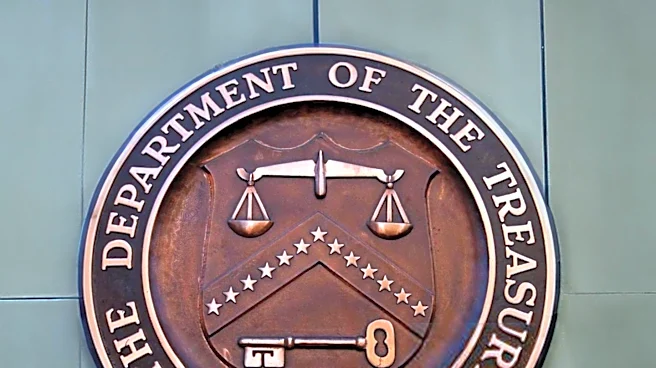
U.S. Treasury Department officials have met with government authorities in Singapore and Malaysia, including regulators and national security bodies, to warn them about potential risks associated with non-compliance with U.S. sanctions on Iran. Washington
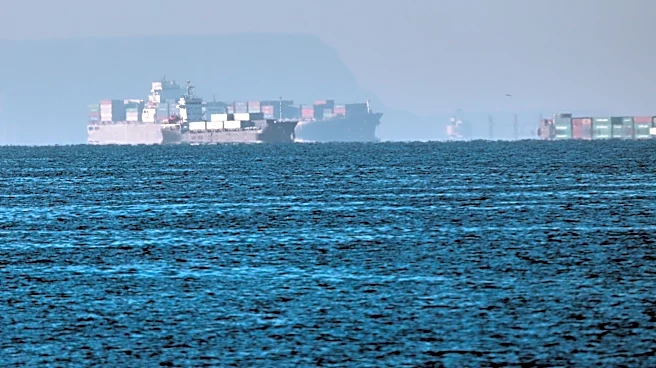
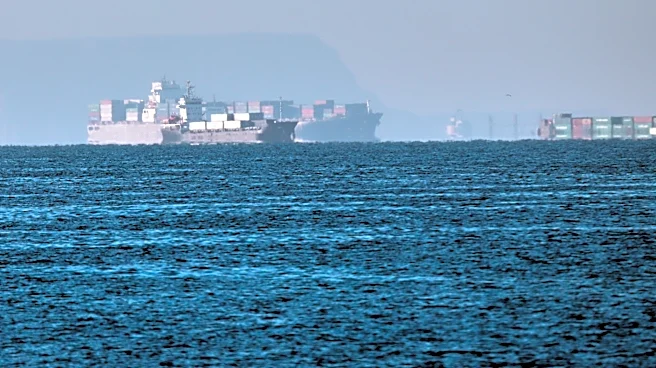
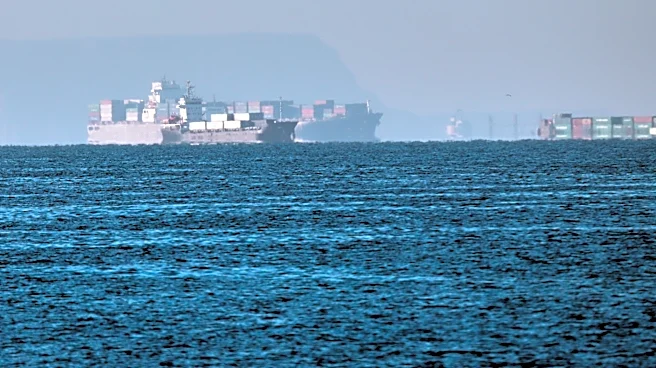
is urging both countries, along with their law firms and banks, to remain vigilant against Iranian front companies. This initiative is part of intensified U.S. efforts to enforce sanctions in Asia and expedite an end to the conflict in the Middle East. The U.S. is calling for increased scrutiny on 'high-risk' sectors such as maritime transport, aviation services, and procurement networks to prevent them from being used by Iran. A Treasury Department official stated that the U.S. intends to target these 'lifelines' without negotiation. Since the U.S. and Israel began strikes on Iran in February, the U.S. has escalated actions to disrupt Tehran's overseas business interests. Singapore has affirmed its commitment to preventing misuse of its corporate vehicles, while Malaysia has not yet responded to requests for comment.
Why It's Important?
This U.S. Treasury initiative is crucial for strengthening the global enforcement of sanctions against Iran, aiming to curtail its revenue streams and influence. By pressuring key financial and trade hubs like Singapore and Malaysia, the U.S. seeks to close loopholes that Iran might exploit to circumvent sanctions, particularly in critical sectors like oil exports and aviation. Effective enforcement in these regions could significantly impact Iran's economy, which is reportedly experiencing its worst GDP contraction in four decades and high inflation. For U.S. foreign policy, tightening sanctions is a key tool to exert pressure on Iran regarding its nuclear program and regional activities. However, it also places these Southeast Asian nations in a delicate position, balancing their economic ties with Iran against potential secondary sanctions from the U.S. The success of these efforts could influence the duration and intensity of the conflict in the Middle East and reshape regional trade dynamics.
What's Next?
Following the U.S. Treasury's warnings, Singapore and Malaysia are expected to review and potentially enhance their compliance mechanisms to align with U.S. sanctions. Singapore has already indicated its commitment to strengthening vigilance in its maritime and financial industries. Malaysia's response will be critical, as its waters have been used for ship-to-ship transfers of Iranian oil. The U.S. will likely monitor these countries' actions closely, and failure to comply could lead to further pressure or even sanctions against entities operating within their jurisdictions. The focus on 'high-risk' sectors suggests that companies involved in shipping, aviation, and procurement will face increased scrutiny. This could lead to disruptions in trade routes and financial transactions involving Iranian entities, potentially forcing Iran to seek alternative, less accessible channels for its international business. The long-term goal for the U.S. is to further isolate Iran economically and compel it to alter its policies.
Beyond the Headlines
The U.S. Treasury's push for stricter sanctions compliance in Southeast Asia highlights the extraterritorial reach of U.S. law and its significant impact on global commerce. This approach raises complex legal and ethical questions about national sovereignty and the extent to which one nation can dictate the economic policies of others. For Singapore and Malaysia, navigating these demands involves balancing their sovereign interests and economic relationships with the imperative to avoid U.S. penalties. It also underscores the intricate web of global finance, where seemingly distant conflicts can have direct implications for businesses and governments worldwide. The long-term implication is a potential reshaping of global trade routes and financial networks as countries adapt to a more stringent sanctions environment, possibly leading to a more fragmented global economy where compliance with U.S. regulations becomes a de facto standard for international transactions, even for non-U.S. entities.