



What's Happening?
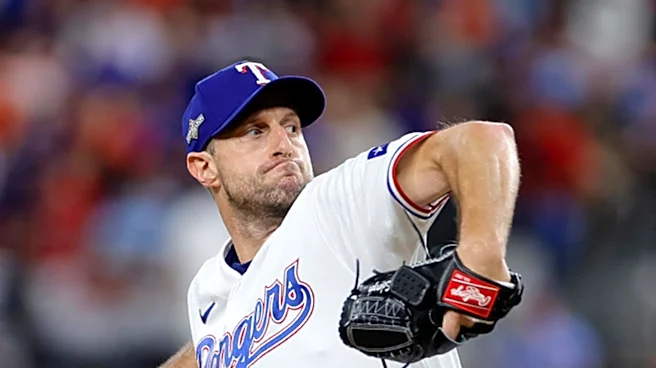
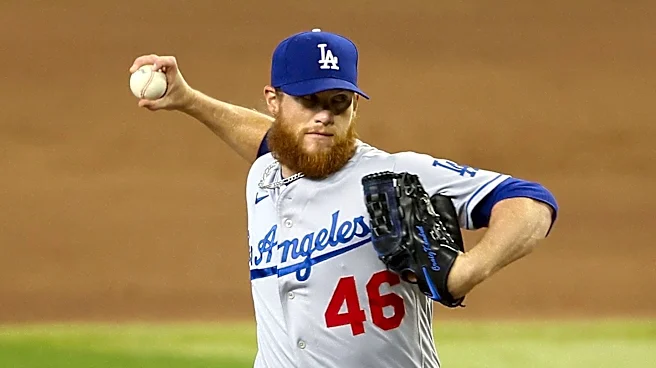
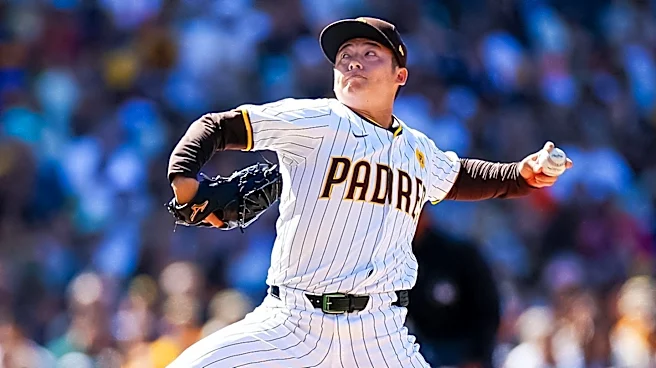
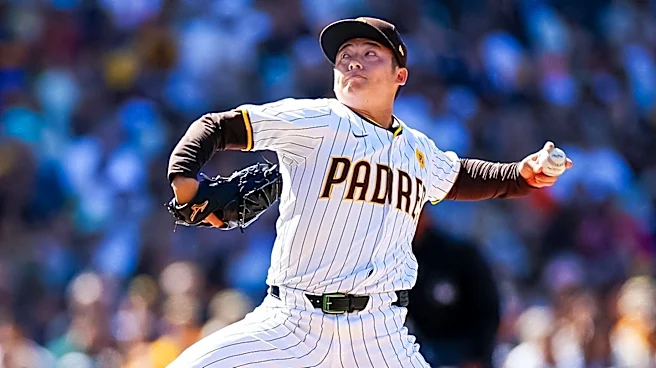
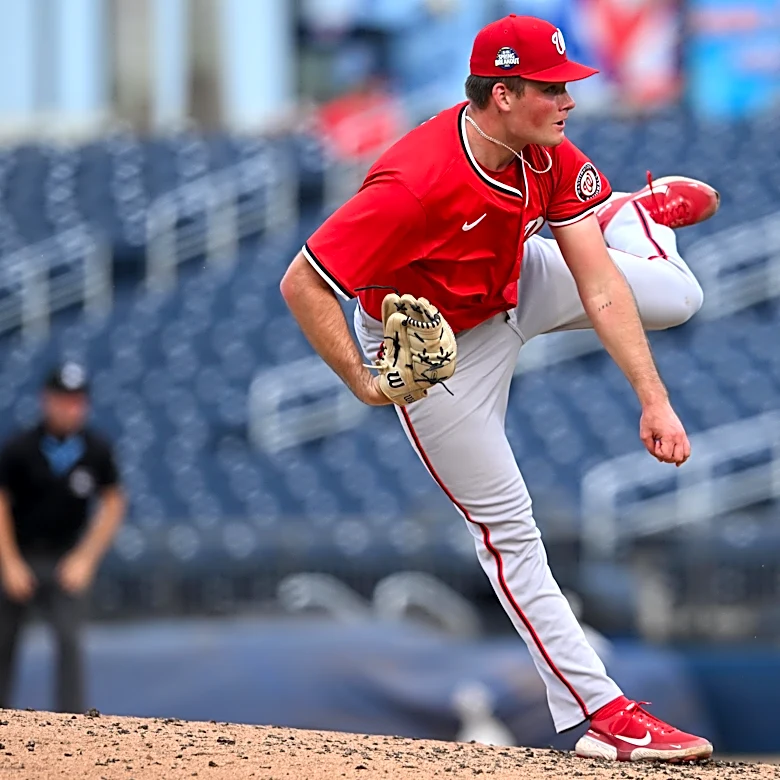
The workload for Major League Baseball starting pitchers has reached an all-time low, with only two complete games recorded in July 2026, a record low for the month. This trend reflects a broader shift in pitching strategies, where starters are trained
to deliver high-intensity performances over shorter durations, leading to increased reliance on relievers. The average innings pitched by starters in July was 5.03, the lowest ever recorded. This shift is part of a long-term trend where the balance of workload between starters and relievers has shifted from 65%-35% fifteen years ago to 57%-43% today.
Why It's Important?
The decline in pitching longevity has significant implications for team strategies, player development, and the overall dynamics of the game. Teams are increasingly focusing on developing pitchers who can deliver high-impact performances in shorter stints, which may affect the traditional role of starting pitchers. This shift could influence contract negotiations, player valuations, and the way teams build their rosters. Additionally, the increased use of relievers may lead to changes in game management and fan experience, as the traditional expectations of starting pitchers completing games continue to evolve.
Beyond the Headlines
The reduction in pitching longevity raises questions about the long-term health and sustainability of pitchers, as the emphasis on high-intensity performances could lead to increased injury risks. This trend also reflects broader changes in sports science and analytics, where data-driven approaches are reshaping traditional roles and strategies. The cultural and historical significance of complete games in baseball is being challenged, prompting discussions about the future of the sport and its evolution in response to modern demands.