





What's Happening?
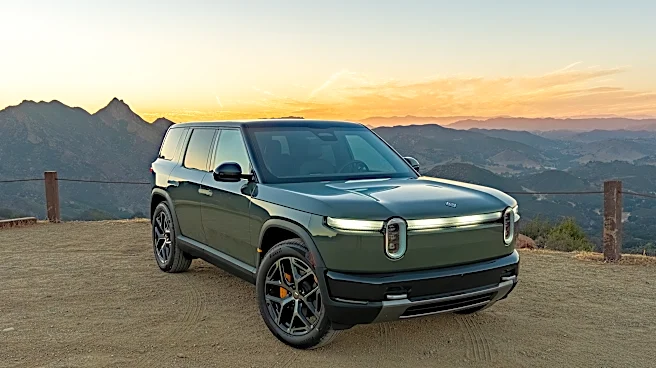
Rivian Automotive, Inc. is strategically expanding its electric vehicle (EV) lineup to include more affordable models, moving beyond its current premium R1T pickup and R1S SUV offerings. The company's CEO, RJ Scaringe, confirmed plans for the R3 and R4
models, which are anticipated to be significantly less expensive than the existing R1 series. The R2, Rivian's next model, is set to start at $44,990, with deliveries expected to begin next summer. The R3, slated for 2029, will be priced 'materially lower' than the R2, potentially around $35,000. Following the R3, an R4 model is planned, which could push the price point even further down, possibly reaching around $30,000 or below. This move aims to make Rivian's EVs more accessible to a broader consumer base. The company expects to achieve these lower price points by leveraging lessons learned from the R2's development, including a redesigned electrical architecture and simplified manufacturing processes that have reportedly cut bill-of-material costs by 50% compared to the R1.
Why It's Important?
Rivian's strategic shift towards lower-priced EVs is a significant development for the U.S. automotive industry and the broader EV market. By introducing models like the R3 and R4 at price points potentially competitive with vehicles such as the Tesla Model 3, Rivian aims to capture a larger share of the mass-market EV segment. This expansion could intensify competition among EV manufacturers, potentially driving down prices and accelerating EV adoption across the country. For consumers, it means more affordable options in the electric vehicle market, making sustainable transportation more accessible. For Rivian, successfully entering this segment could significantly boost its sales volume and market presence, moving it from a niche luxury EV producer to a more mainstream automotive player. The company's ability to reduce manufacturing costs through innovative design and production processes also sets a precedent for other manufacturers looking to make EVs more cost-effective.
What's Next?
Rivian's immediate next step involves the ramp-up of R2 deliveries, scheduled to begin next summer. Production of the R2 is expected to start at Rivian's new facility in Stanton Springs, Georgia, around late 2028, with R3 production potentially following in 2029. While official pricing and a firm launch schedule for the R4 have not been announced, it is anticipated to arrive sometime in the next decade. The company will likely continue to refine its manufacturing processes and supply chain to achieve the targeted lower price points for the R3 and R4. Market reactions to the R2's launch and subsequent demand will be crucial in shaping the trajectory of the R3 and R4. Rivian's success in delivering these more affordable models will depend on its ability to maintain quality and performance while significantly reducing costs, a challenge that will be closely watched by competitors and consumers alike.
Beyond the Headlines
This move by Rivian signifies a broader trend in the EV industry towards democratizing electric vehicle ownership. Historically, EVs have often been perceived as luxury items due to their higher price tags. Rivian's push into the $30,000-$45,000 range could fundamentally alter this perception, making EVs a viable option for a much larger demographic. This shift has profound implications for environmental sustainability, as increased affordability can lead to wider adoption of zero-emission vehicles, contributing to reduced carbon footprints. Furthermore, it highlights the evolving technological advancements in EV manufacturing, where companies are finding ways to reduce production costs without compromising on innovation. The success of Rivian's lower-priced models could also influence public policy, potentially leading to new incentives or infrastructure developments aimed at supporting a more accessible EV market. This strategic pivot is not just about new car models; it's about reshaping the future of personal transportation in the U.S.