

What's Happening?
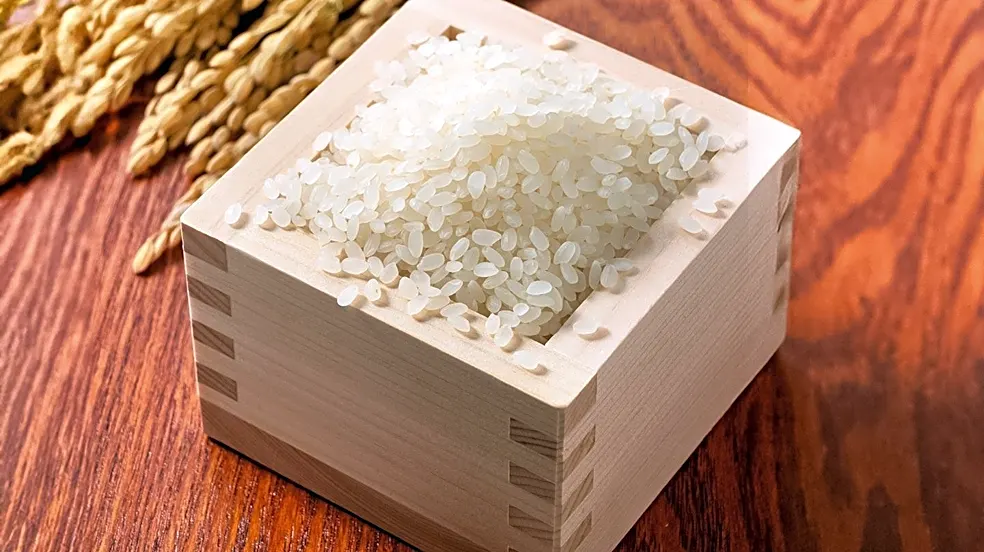
October in Japan marks the peak of the autumn harvest season, a period known as Shokuyoku-no-Aki, or 'Autumn of Appetite.' During this time, newly harvested rice, referred to as shinmai, becomes available across the country. Chestnuts are incorporated
into savory dishes like kuri gohan (chestnut rice), and seasonal soba and sake are prominent, especially in agricultural regions such as Niigata. Beyond these staples, the season also brings an abundance of mushrooms, fish, and various fruits. The comfortable weather in October, following the summer heat, makes it an ideal time for culinary exploration and experiencing Japan's natural beauty through its seasonal produce. This period is not only about food but also features significant autumn festivals, particularly in central Japan, which are often tied to agricultural traditions and local shrine customs.
Why It's Important?
The autumn harvest season is culturally and economically significant for Japan, highlighting its rich agricultural heritage and culinary traditions. The availability of shinmai, seasonal chestnuts, soba, and sake drives local economies, supports regional farmers, and attracts culinary tourism. This period reinforces the concept of 'Shokuyoku-no-Aki,' emphasizing the deep connection between food, seasonality, and cultural identity in Japan. The festivals associated with the harvest, such as the Takayama Autumn Festival and the Doburoku Festival in Shirakawa-go, preserve traditional practices and offer unique cultural experiences, drawing visitors and contributing to local tourism. The focus on fresh, seasonal ingredients also promotes healthy eating habits and a sustainable approach to food consumption, reflecting a broader appreciation for nature's bounty.
What's Next?
As the autumn harvest progresses, consumers can expect a continued abundance of seasonal produce and specialty dishes throughout October and into early November. Regional festivals will continue to celebrate these harvests, offering opportunities for cultural engagement and local economic boosts. The emphasis on fresh, seasonal ingredients will likely influence restaurant menus and home cooking, with new-season rice, chestnuts, and other autumn delicacies remaining central to Japanese cuisine. The tourism sector will continue to leverage these seasonal offerings to attract visitors interested in culinary experiences and traditional festivals. Farmers will focus on the distribution and sale of their harvested goods, while food producers will create new products featuring these seasonal flavors.
Beyond the Headlines
The 'Autumn of Appetite' extends beyond mere consumption, reflecting a deeper philosophical connection to nature and the changing seasons in Japanese culture. The appreciation for shinmai and other seasonal foods underscores a respect for the agricultural cycle and the hard work of farmers. This period also highlights the importance of regional specialties, fostering a sense of local pride and identity through unique culinary offerings. The traditional festivals, often centuries old, serve as living museums, preserving ancient customs and community bonds. The seasonal shift also influences art, literature, and daily life, with autumn's bounty symbolizing prosperity and gratitude. This holistic approach to the harvest season demonstrates how food and agriculture are intricately woven into the fabric of Japanese society, influencing everything from daily meals to grand celebrations.