






What's Happening?
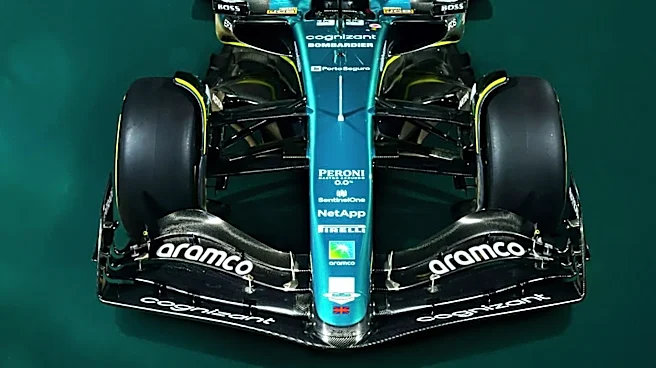
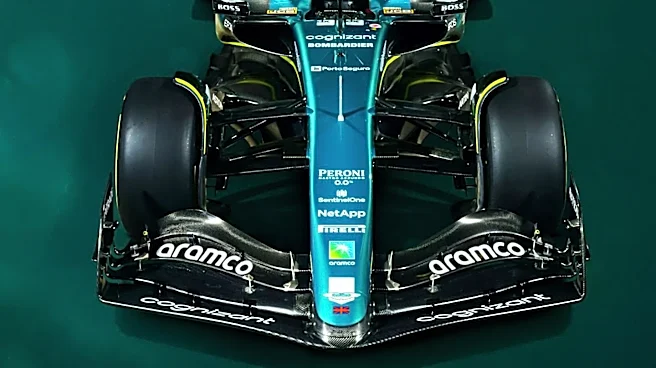
Aston Martin is reportedly exploring the possibility of switching back to Mercedes power units from 2028, should Honda's engine development not meet expectations by 2027. This speculation arises from a difficult start to Aston Martin's works Honda era,
prompting meetings between Mercedes team boss Toto Wolff and Aston Martin representatives. Journalist Jorge Peiro published a photograph of a 'TW'-branded Mercedes scooter outside Aston Martin's hospitality unit during the Dutch Grand Prix weekend, and Wolff was also seen near Aston Martin's hospitality in Barcelona. Additionally, Lawrence Stroll, Aston Martin's owner and father of driver Lance Stroll, visited the Mercedes motorhome in Australia. These interactions suggest that Aston Martin is keeping its options open regarding future engine suppliers. Fernando Alonso, an Aston Martin driver, has also made comments indicating dissatisfaction with the current engine's performance, stating that while the chassis direction is positive, the team needs to wait longer for engine improvements. Honda Racing Corporation (HRC) president Koji Watanabe, however, maintains confidence in the Aston Martin project and believes the manufacturer knows what needs to be improved.
Why It's Important?
This potential shift in engine suppliers for Aston Martin carries significant implications for the Formula 1 landscape and the competitive balance within the sport. For Aston Martin, securing a high-performing engine is crucial for its ambitions to compete at the top tier. A return to Mercedes power could provide a proven, competitive engine, potentially elevating Aston Martin's performance and challenging established front-runners. Conversely, if Honda fails to deliver a competitive power unit, it could damage its reputation as a top-tier engine supplier in Formula 1, impacting its future partnerships and investment in the sport. The decision will also influence the strategic alliances and rivalries among manufacturers, as Mercedes would gain another customer team, while Honda could lose a prominent partner. This situation highlights the intense pressure on engine manufacturers to innovate and deliver performance, as teams are willing to explore alternatives to gain a competitive edge. The outcome will shape the technological development and financial investments in Formula 1 power units for the coming years.
What's Next?
The immediate focus will be on Honda's engine development throughout 2027. HRC president Koji Watanabe has indicated that Honda is actively working to improve its power unit and has corrected staffing weaknesses. The upcoming races will be critical for Aston Martin to optimize the current engine specification, as noted by Fernando Alonso. If Honda demonstrates significant progress and delivers a competitive engine by the end of 2027, Aston Martin may choose to continue its partnership. However, if performance remains a concern, discussions with Mercedes are likely to intensify, potentially leading to a formal agreement for 2028. Stakeholders, including team owners, drivers, and fans, will closely monitor engine performance and any further interactions between Aston Martin and Mercedes. The situation also puts pressure on other engine manufacturers to ensure their offerings remain attractive to customer teams, as the competitive landscape for power unit supply is clearly dynamic.
Beyond the Headlines
The underlying tension between team performance and engine supplier reliability reveals a deeper aspect of modern Formula 1: the intricate balance of technological partnerships. While teams strive for chassis innovation, the power unit remains a critical determinant of success. This scenario underscores the high stakes involved in manufacturer commitments and the potential for strategic realignments based on performance. It also highlights the influence of key figures like Lawrence Stroll, whose proactive engagement with potential suppliers demonstrates the business acumen required to navigate the complex world of F1. The situation could also set a precedent for how teams manage long-term engine contracts, potentially leading to more flexible agreements or performance clauses. Ethically, it raises questions about loyalty versus competitive necessity in high-performance sports. The outcome will not only affect Aston Martin's trajectory but also influence the broader ecosystem of engine development and supply in Formula 1, potentially encouraging greater competition and innovation among power unit manufacturers.