




What's Happening?
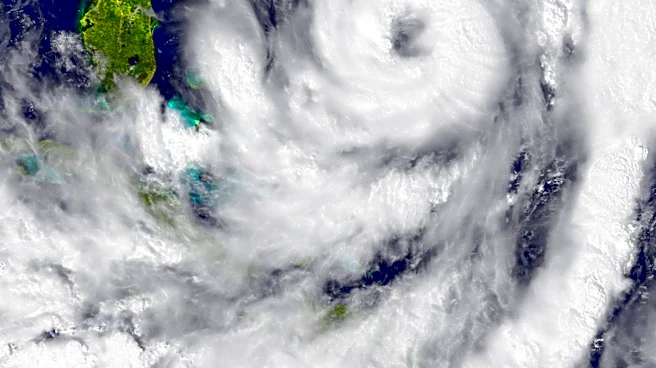
According to Bain, rising natural disaster losses, increasing by 5% to 7% annually, are compelling CEOs to adopt comprehensive risk strategies that extend beyond traditional insurance. The report indicates that while insurance is a useful tool for managing
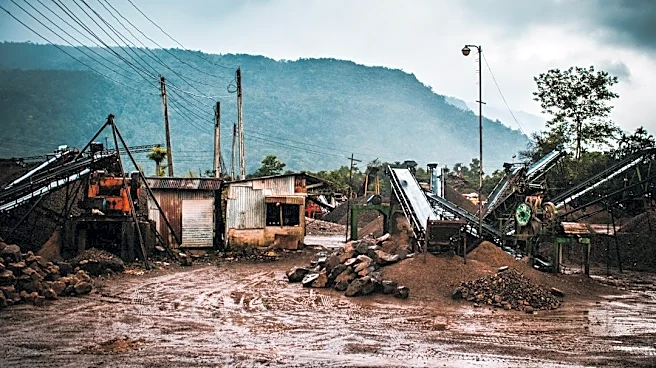
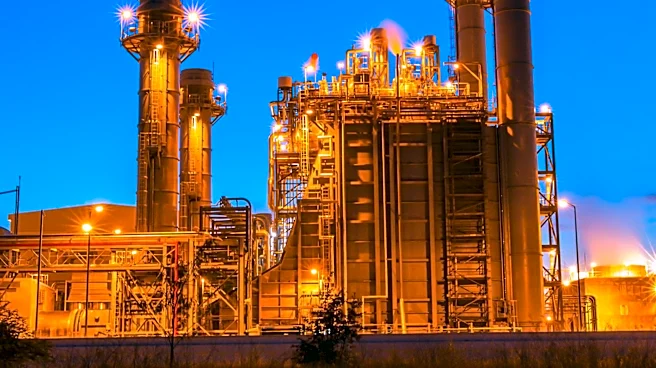
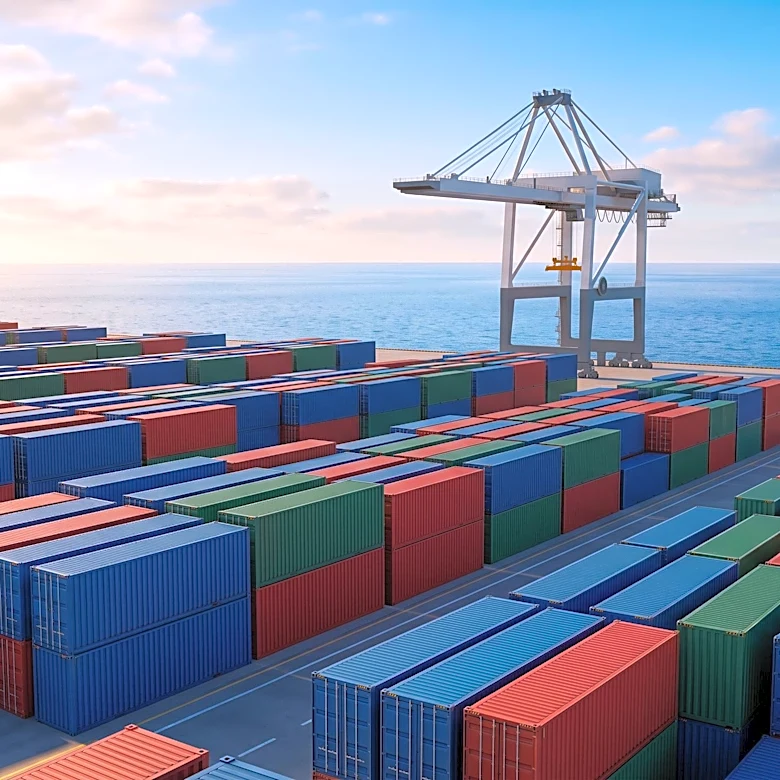
crisis events, it is insufficient to address critical climate challenges, particularly those affecting broader supply chains and chronic risks. The gap between total economic losses and insured losses remains substantial, highlighting the limitations of relying solely on insurance. Bain advises companies to map their entire value chain, from their own assets to suppliers, critical inputs, logistics routes, and customers, to identify and quantify risks that cannot be insured. This includes indirect and cascading impacts at potential breaking points. The analysis of nearly 150,000 assets across 12 sectors reveals that 'moments that matter'—critical periods of vulnerability—vary significantly by industry, with some sectors like solar and data centers experiencing frequent cycles, while others like offshore wind and nuclear power face critical design-phase risks.
Why It's Important?
This shift in CEO strategy, moving beyond insurance for natural disaster losses, is critically important for U.S. industries and the economy. The increasing frequency and intensity of climate-related events pose significant threats to supply chains, infrastructure, and corporate profitability across the U.S. Relying solely on insurance is proving inadequate, as it often doesn't cover all losses, especially indirect and long-term impacts. This forces U.S. businesses to invest in more proactive resilience measures, such as diversifying supply chains, hardening physical assets, and developing sophisticated risk mapping. Industries like agriculture, manufacturing, and logistics, which are highly susceptible to climate disruptions, stand to gain from these comprehensive strategies by reducing downtime and ensuring business continuity. Conversely, companies that fail to adapt may face escalating costs, operational disruptions, and competitive disadvantages. This trend also impacts the U.S. insurance industry, which may need to innovate its offerings to cover new types of climate-related risks or face reduced relevance in comprehensive risk management. Ultimately, this signals a fundamental re-evaluation of risk management in the face of a changing climate, with significant implications for long-term economic stability and corporate sustainability in the U.S.
What's Next?
In response to rising natural disaster losses, U.S. companies are expected to increasingly invest in advanced risk mapping and resilience strategies. This will likely involve greater adoption of data analytics, artificial intelligence, and climate modeling to identify vulnerabilities across their supply chains and operations. Businesses will focus on diversifying their critical inputs and logistics routes to minimize single points of failure. There will also be a push for more robust infrastructure and operational protocols to withstand extreme weather events. The insurance industry may respond by developing more specialized products that cover specific climate-related risks or by partnering with companies to offer integrated risk management solutions. Policymakers in the U.S. might also consider new incentives or regulations to encourage businesses to adopt comprehensive resilience strategies, recognizing the broader economic and societal benefits. The ongoing dialogue between corporations, insurers, and government entities will shape the future of climate risk management and adaptation efforts across the nation.
Beyond the Headlines
The move by CEOs to look beyond traditional insurance for natural disaster losses highlights a profound shift in corporate responsibility and strategic thinking regarding climate change. This isn't just about financial protection; it's about fundamental business continuity and long-term sustainability. The emphasis on mapping the full value chain and identifying uninsurable risks underscores the systemic nature of climate threats, which can cascade through complex global and domestic supply networks. This forces companies to confront their environmental footprint and the ethical implications of their operations in a warming world. It also raises questions about the role of government in providing safety nets for risks that the private insurance market cannot fully cover, potentially leading to new public-private partnerships or government-backed insurance schemes. The 'moments that matter' concept suggests that proactive design and planning, especially for new infrastructure, are far more effective than reactive measures. This paradigm shift could drive significant innovation in green technologies, sustainable infrastructure, and climate-resilient business models, fundamentally reshaping the U.S. economy and its approach to environmental stewardship.