






What's Happening?
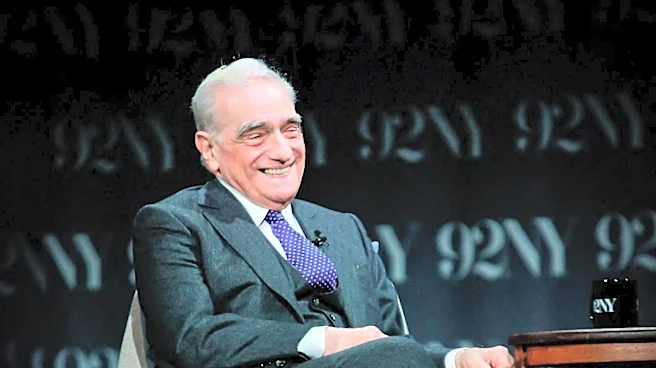
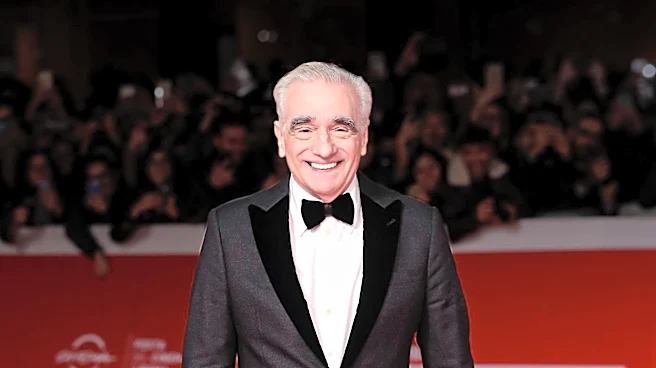
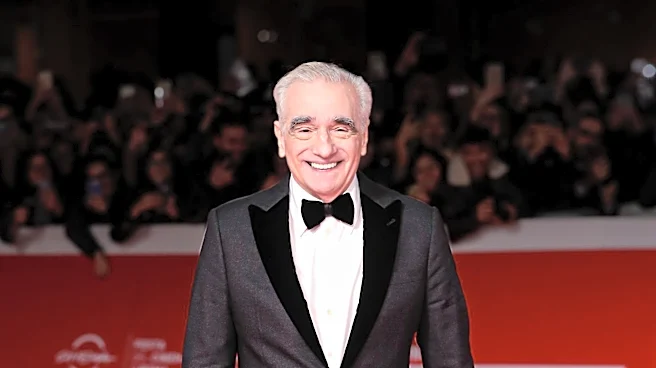
Renowned director Martin Scorsese has stated that his planned 'Cleopatra' biopic, which was set to star Angelina Jolie, was canceled due due to the controversy surrounding Seth Rogen's film 'The Interview'. According to Scorsese, the satirical comedy,
which depicted North Korean leader Kim Jong Un in a negative light, provoked outrage from North Korea. This outrage reportedly led to threats against Columbia Pictures, the studio involved in both projects. Scorsese recounted this during a conversation with his daughter, Francesca, for Tribeca's 'Crafty' video series. He indicated that the North Korean government's reaction to 'The Interview' ultimately 'blew everything up' at Columbia, leading to the demise of his 'Cleopatra' project. The script for the 'Cleopatra' film was to be written by Eric Roth, and Scorsese expressed that it 'was going to be crazy.'
Why It's Important?
This revelation highlights the unexpected and far-reaching consequences that geopolitical events and international relations can have on the entertainment industry. The cancellation of a major film project, especially one involving prominent figures like Martin Scorsese and Angelina Jolie, represents a significant financial and creative loss. It underscores the vulnerability of Hollywood productions to external political pressures and cyber threats, as 'The Interview' incident also involved a massive cyberattack against Sony Pictures. This event serves as a cautionary tale for studios and filmmakers, demonstrating how content perceived as politically sensitive can trigger severe repercussions, impacting not only the immediate project but also unrelated ventures within the same studio. The incident also sparked debates about artistic freedom versus diplomatic sensitivities.
What's Next?
While the 'Cleopatra' project with Scorsese and Jolie is definitively off the table, the broader implications for Hollywood's approach to politically charged content remain relevant. Studios may continue to exercise increased caution when greenlighting projects that could provoke international incidents or cyberattacks. This could lead to more self-censorship or a preference for less controversial themes, particularly when dealing with sensitive geopolitical topics. The incident also reinforces the need for robust cybersecurity measures within major studios to protect against future attacks. Future productions involving satirical portrayals of world leaders will likely undergo more stringent risk assessments, potentially influencing the types of stories that get told and how they are distributed.
Beyond the Headlines
The cancellation of Scorsese's 'Cleopatra' film due to 'The Interview' controversy delves into deeper issues concerning artistic expression, international diplomacy, and corporate responsibility. It raises questions about the extent to which creative works should be influenced by potential political backlash or threats. The incident also exposed the internal workings and vulnerabilities of a major Hollywood studio through leaked emails, revealing candid and sometimes unflattering opinions about industry figures. This event underscored the interconnectedness of global politics and popular culture, demonstrating how a comedic film could inadvertently become a flashpoint for international tension and have tangible, negative consequences for unrelated artistic endeavors. It also highlights the subjective nature of humor and how it can be perceived differently across cultures and political systems.