




What's Happening?
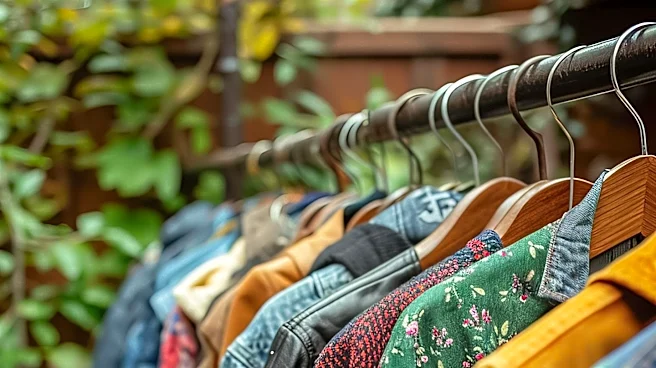
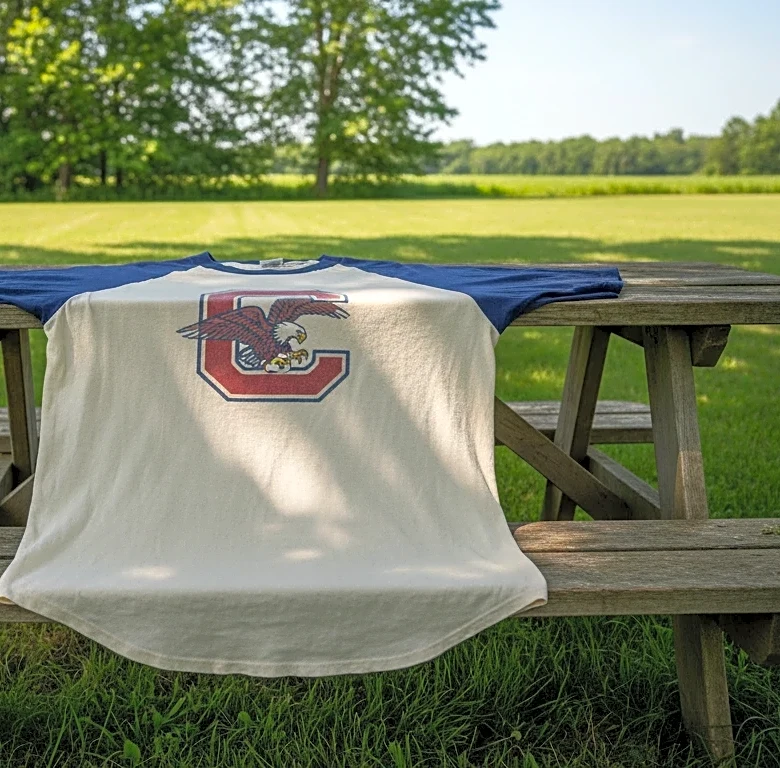
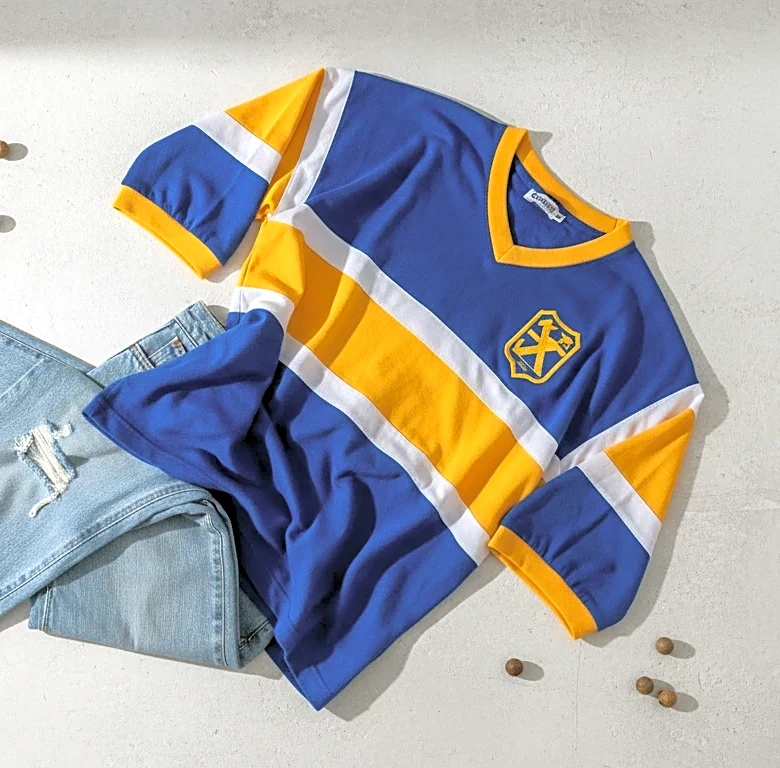
The rise of second-hand fashion platforms like Vinted is reshaping consumer habits by offering a sustainable alternative to fast fashion. Vinted allows users to buy and sell pre-owned clothing, which can help reduce the environmental impact associated
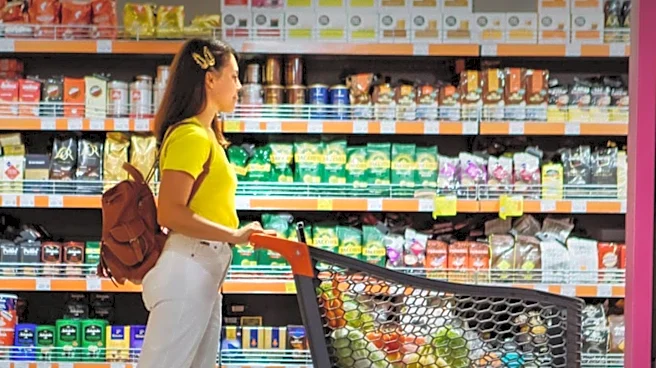
with new garment production. The platform's appeal lies in its affordability and the opportunity to extend the life of clothing items, thereby reducing waste. However, concerns have been raised about the ethical implications of using Vinted. Critics argue that the platform may inadvertently encourage overconsumption, as low prices can lead to frequent purchases without consideration of environmental impact. Additionally, many items sold on Vinted are originally from fast fashion brands, which raises questions about the true sustainability of such purchases. The platform also lacks features to filter sellers by location, potentially increasing carbon emissions due to shipping.
Why It's Important?
The significance of second-hand fashion platforms like Vinted lies in their potential to disrupt the fast fashion industry, which is notorious for its environmental and ethical issues. By promoting the reuse of clothing, these platforms can help reduce the demand for new garments, thereby decreasing the industry's carbon footprint. However, the ethical concerns associated with Vinted highlight the complexities of sustainable fashion. While buying second-hand is generally more sustainable than purchasing new fast fashion items, the practice can still contribute to environmental harm if not done mindfully. The lack of location-based filters on Vinted also underscores the need for more sustainable shipping practices. As consumers become more environmentally conscious, platforms like Vinted must address these issues to maintain their appeal and effectiveness in promoting sustainable fashion.
What's Next?
For Vinted and similar platforms to truly contribute to sustainable fashion, they may need to implement features that encourage more mindful consumption. This could include introducing location-based filters to reduce shipping emissions and providing educational resources on sustainable shopping practices. Additionally, there is potential for collaboration with ethical fashion brands to offer more sustainable options. As consumer awareness of environmental issues grows, platforms like Vinted will likely face increased pressure to address these concerns. The future of second-hand fashion will depend on the ability of these platforms to balance affordability with genuine sustainability.