


What's Happening?
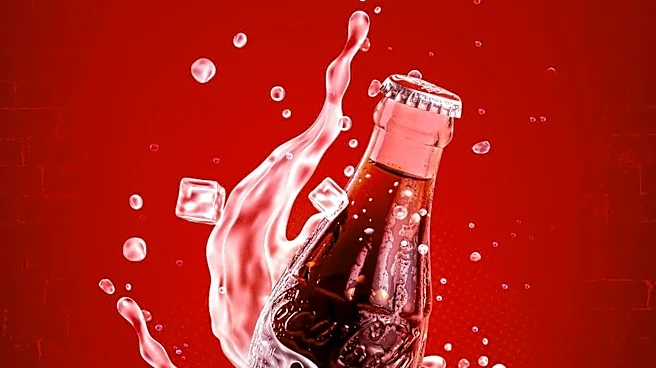
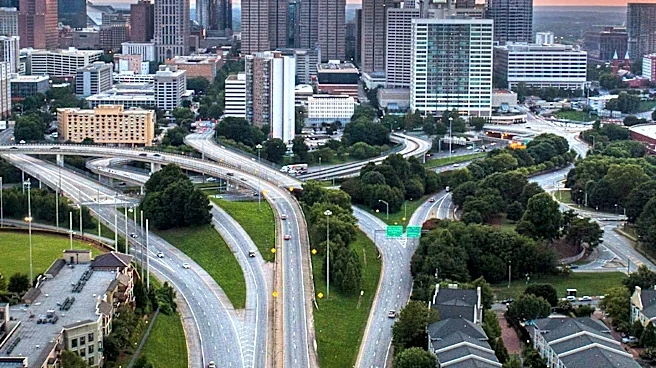
Coca-Cola is expanding its beverage innovation with new customizable drink options and advanced dispensing equipment. At its Equipment Innovation Center in Atlanta, the company is developing ways for its Freestyle drink dispensers to create 'dirty sodas,'
which combine soda with flavored syrups and cream. In collaboration with AMC Theatres, Coca-Cola is testing a Micro Matic dispenser for brightly colored refreshers. The company also plans to introduce more white-label beverage options, including a customizable energy drink. These innovations are driven by consumer demand for more choices and the increasing popularity of handcrafted drinks, particularly among Generation Z. Coca-Cola's Freestyle dispensers have already poured over 67 billion 8-ounce servings and collect real-time data on trending drinks, which informs new product development, such as the limited-time Coca-Cola Orange Cream. The company is also developing a smaller Freestyle Mini for venues with limited space and a colorless, unflavored energy drink base for food service operators, set to launch in early 2027.
Why It's Important?
This strategic move by Coca-Cola is significant for the U.S. beverage industry and food service sector. The focus on customizable 'dirty sodas' and refreshers directly addresses evolving consumer preferences, especially among younger demographics like Generation Z, who are willing to pay more for unique and visually appealing beverages. This trend helps restaurants drive traffic and sales, as beverage servings at restaurants have outpaced food-only servings. By automating the creation of these popular drinks, Coca-Cola aims to provide convenience for food service operators, allowing them to offer a wider variety of options without the labor intensity of manual preparation. The real-time data collected from Freestyle dispensers provides valuable insights into consumer trends, enabling Coca-Cola to quickly adapt its product offerings and even launch successful food service concepts into retail. The expansion into energy drinks, a segment with high growth projections, positions Coca-Cola to capture a larger share of the evolving beverage market, particularly by appealing to female consumers interested in handcrafted energy solutions. This innovation helps Coca-Cola maintain its market leadership and adapt to changing consumer demands.
What's Next?
Coca-Cola plans to launch its new colorless, unflavored energy drink base for food service operators in the first half of 2027. The company will likely continue to refine its automated dispensing technologies, potentially expanding the availability of the Freestyle Mini and other innovative equipment to more U.S. restaurants and venues. Further data analysis from its Freestyle dispensers will guide future product development and market strategies, leading to more customized and trend-driven beverage offerings. The success of 'dirty sodas' and refreshers will likely encourage more competitors to enter this market, intensifying innovation in the customizable beverage space. Coca-Cola will also need to navigate potential regulatory and public health concerns related to sugar content and caffeine levels in its new offerings, especially given past incidents with other companies' high-caffeine beverages. The company's ability to balance innovation with health and safety considerations will be crucial for its long-term success in these new categories.
Beyond the Headlines
Beyond the immediate market implications, Coca-Cola's innovation reflects a deeper cultural shift in how consumers view and interact with beverages. The rise of 'dirty sodas' and refreshers signifies a move away from traditional, mass-market sodas towards more personalized, experiential, and visually appealing drinks. This trend is particularly pronounced among younger generations who prioritize customization and social media shareability. Coca-Cola's strategy to automate these drinks highlights the increasing role of technology in transforming the food and beverage industry, not just in production but also in consumer interaction and data collection. This could lead to a future where beverage choices are highly individualized and dynamically responsive to real-time trends. The company's venture into customizable energy drinks also points to a broader redefinition of what constitutes an 'energy drink,' moving beyond traditional high-caffeine options to more health-conscious and tailored solutions. This evolution could influence dietary habits and consumer expectations for functional beverages, blurring the lines between refreshment, health, and indulgence.