


What's Happening?
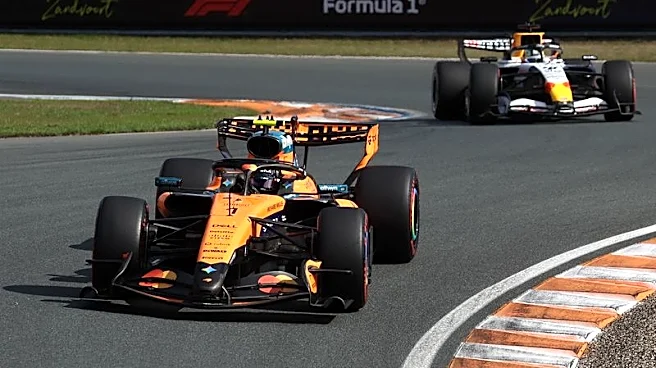
Lance Stroll, a driver for Aston Martin, has voiced strong dissatisfaction with Honda's recently upgraded power unit, stating it is 'not nearly enough' of an improvement. This assessment follows Aston Martin's double Q1 elimination during qualifying at the
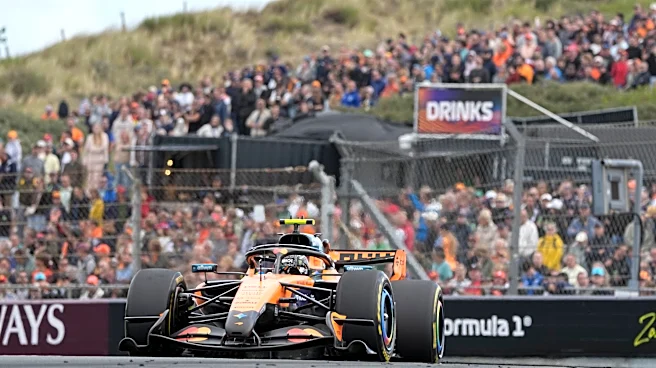
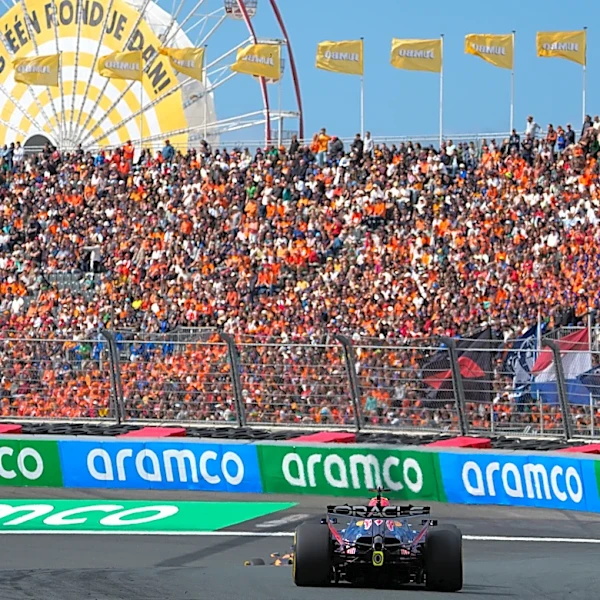
Dutch Grand Prix, where Stroll finished 19th and his teammate Fernando Alonso 18th. The upgraded B-spec AMR26 power unit was introduced at the Hungarian Grand Prix, with Honda bringing a revised version to Zandvoort. Despite these updates, Stroll highlighted significant issues with the power unit's drivability, describing it as 'a lottery.' He specifically mentioned inconsistent engine braking and frequent rejected downshifts, indicating a lack of necessary power and consistency. While Stroll acknowledged improvements on the chassis side, he emphasized that the power unit remains a major area needing substantial work.
Why It's Important?
This development is significant for the competitive landscape of Formula 1, particularly for Aston Martin and Honda. Honda, as a major engine supplier, faces scrutiny regarding its ability to deliver competitive power units, which directly impacts the performance of its partner teams. For Aston Martin, a team aiming to contend at the front of the grid, a subpar power unit can severely hinder their aspirations, affecting their standing in the Constructors' Championship and individual driver performances. The issues raised by Stroll, such as inconsistent engine braking and rejected downshifts, are critical performance factors that can lead to slower lap times and compromised race strategies. This situation could influence future partnerships and investments in engine development within the sport, as teams seek reliable and powerful suppliers to gain a competitive edge. The ongoing challenges with the power unit could also impact driver morale and team strategy moving forward.
What's Next?
Honda's trackside general manager and chief engineer, Shintaro Orihara, has acknowledged the feedback from both Aston Martin drivers and stated that the manufacturer is actively working to resolve the drivability problems. Honda engineers are assessing the issues and conducting work on the test bench at HRC Sakura to improve control over the internal combustion engine (ICE) and enhance the consistency of combustion behavior. Orihara indicated that steps have been taken, but more work is required to instill confidence in the drivers. The immediate focus for Honda is to ensure the engine responds precisely to driver input. This suggests that further updates and modifications to the power unit are likely in the short to medium term, with the goal of addressing the inconsistencies and improving overall performance for Aston Martin in upcoming races.
Beyond the Headlines
The ongoing struggles with Honda's power unit, as articulated by Lance Stroll, underscore the immense technical challenges and competitive pressures inherent in Formula 1 engine development. Beyond the immediate race results, this situation highlights the delicate balance between chassis design and power unit integration. A strong chassis, as Stroll noted, can be undermined by an underperforming engine, illustrating the symbiotic relationship required for success in modern F1. The 'lottery' description of drivability points to a fundamental issue of reliability and predictability, which can erode driver confidence and impact strategic decision-making during races. This scenario also reflects the broader trend in F1 where engine performance is a critical differentiator, often dictating a team's ceiling regardless of other strengths. The continuous pursuit of marginal gains in engine technology involves significant financial investment and engineering expertise, making such public criticisms a rare but potent indicator of underlying technical hurdles.