




What's Happening?
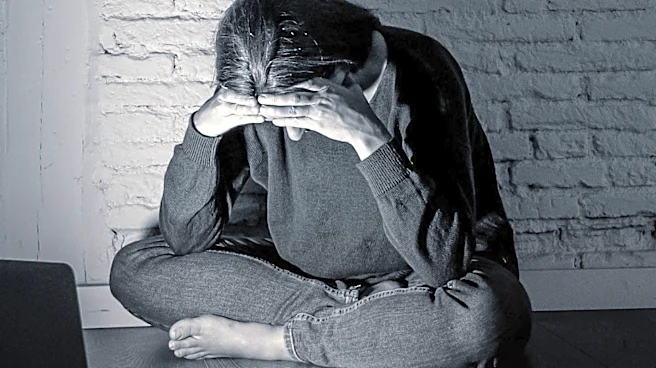
Dissociation, a psychological response to stress, is becoming increasingly common in the U.S. as individuals seek to cope with overwhelming societal pressures. This behavior, often described as 'checking out' or 'spacing out,' serves as a protective mechanism
against acute threats and stressors. Mental health professionals note that while dissociation can be a natural response to stress, it exists on a spectrum. Mild dissociation, such as daydreaming, is common and generally harmless, but severe dissociation may require professional intervention. The current socio-political and economic climate, coupled with constant exposure to distressing news, contributes to this trend.
Why It's Important?
The rise in dissociation highlights the significant mental health challenges faced by Americans today. It underscores the need for increased mental health support and resources to help individuals manage stress and anxiety. Understanding dissociation as a coping mechanism can lead to more compassionate approaches in mental health care and public policy. It also emphasizes the importance of creating environments that reduce stressors and promote mental well-being, potentially influencing workplace policies and social media practices.
What's Next?
As awareness of dissociation grows, mental health professionals may advocate for more comprehensive mental health services and public education on coping strategies. There could be a push for policies that address the root causes of societal stress, such as economic instability and political unrest. Additionally, individuals may be encouraged to adopt healthier coping mechanisms and seek professional help when necessary, fostering a more resilient society.