



What's Happening?
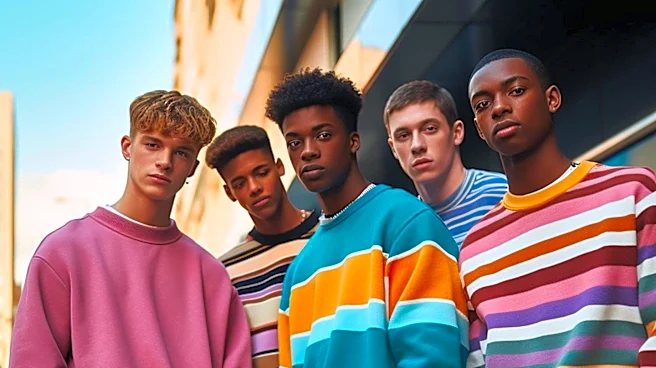
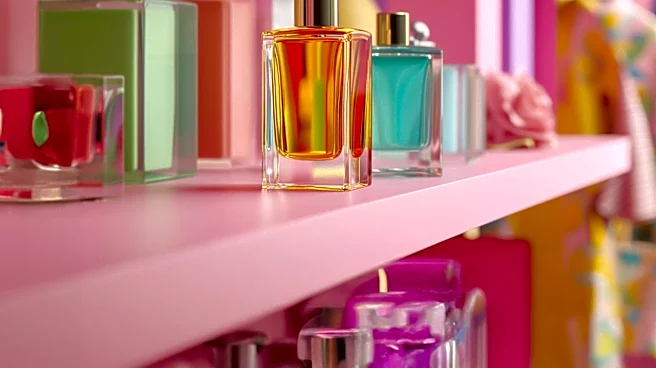
Fragrance choices and application habits are increasingly revealing generational trends and can even indicate a person's age, according to industry experts. Gen Z, influenced by TikTok, is drawn to sweet notes like vanilla, pistachio, cherry, and caramel,
often collecting multiple scents to match their mood. This contrasts with older generations who might stick to a single signature fragrance. Millennials, now in their 30s and 40s, have shifted from the strong vanilla scents of their youth to softer, more personal fragrances. Gen X associates scents like Calvin Klein Obsession and Poison with the 90s, though not all have endured. Boomers tend to favor classic, powdery florals or barbershop scents like Old Spice, often wearing one fragrance for decades. Experts also note that the amount of fragrance applied is a significant age indicator, with older generations often applying more, a habit that can make a scent feel dated.
Why It's Important?
The evolving landscape of fragrance preferences reflects broader cultural shifts and consumer behaviors across different generations in the U.S. The influence of social media, particularly TikTok, on Gen Z's purchasing habits highlights the power of digital platforms in shaping consumer trends and driving demand for specific product categories. This generational divide in fragrance choices impacts the beauty industry, prompting brands to adapt their marketing strategies and product development to cater to diverse age groups. For retailers, understanding these preferences is crucial for inventory management and targeted advertising. Furthermore, the shift towards more personalized and subtle scents among millennials suggests a growing desire for individuality and understated luxury, moving away from the more overt fragrance statements of previous eras. This trend also touches on personal identity and self-expression, as fragrance becomes a more nuanced aspect of one's persona.
What's Next?
The fragrance industry will likely continue to see rapid shifts driven by social media trends and generational preferences. Brands will need to remain agile, constantly innovating with new scent profiles and marketing approaches to capture the attention of younger consumers while retaining loyalty from older demographics. We may see an increase in customizable fragrance options or smaller, more affordable collections that allow consumers to build a scent wardrobe. The emphasis on personal expression through fragrance is expected to grow, potentially leading to more niche and artisanal brands gaining traction. Additionally, as consumers become more conscious of ingredients and sustainability, fragrance companies may also focus on developing more natural or ethically sourced products to meet evolving consumer values.
Beyond the Headlines
Beyond mere scent preferences, the way generations engage with fragrance offers insights into broader societal values and psychological aspects of identity. Gen Z's preference for diverse, mood-based collections reflects a fluid sense of self and a desire for constant self-reinvention, characteristic of a generation that grew up with digital identities. The shift from strong, 'announcing' scents to softer, more personal ones among millennials could signify a move towards authenticity and a rejection of overt status symbols. For boomers, loyalty to a single fragrance often represents a connection to personal history and a stable sense of self. The discussion also touches on the sensory experience of aging, as changes in body chemistry and olfactory perception can influence how a fragrance interacts with an individual over time. This interplay between personal biology, cultural trends, and individual identity makes fragrance a fascinating lens through which to view generational differences.