



What's Happening?
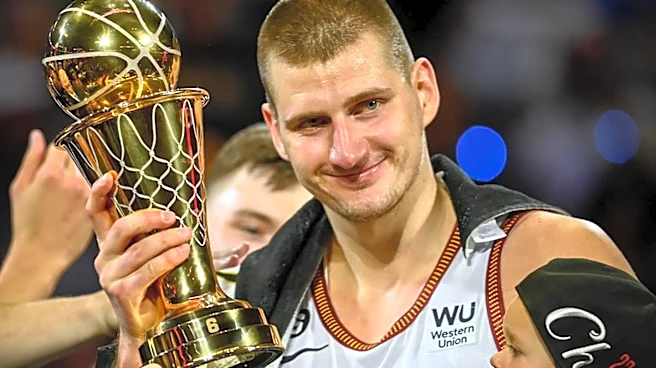
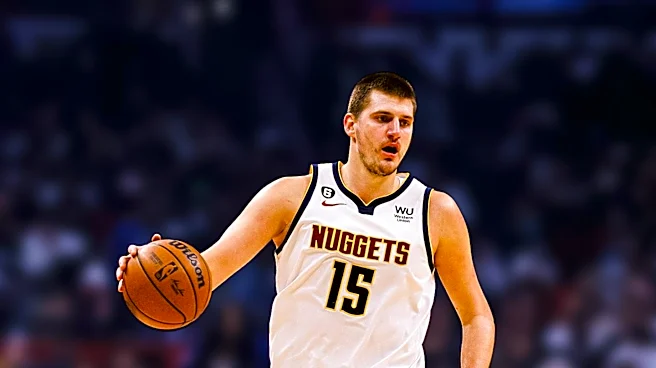
Nikola Jokic, the Serbian center for the Denver Nuggets and three-time NBA MVP, has publicly stated his growing frustration with the constant attention that accompanies his fame. During an appearance on the Jao Mile Podcast, Jokic admitted to becoming
'ruder' to fans who approach him for photographs. He explained that after more than a decade in the public eye, the continuous requests for pictures have become tiring and infringe upon his personal time. Jokic clarified that he prefers fans to engage with him through conversation rather than immediately asking for photos, likening the experience to photographing animals at a zoo. He also mentioned that people close to him are aware of his reluctance to take pictures during his private moments, emphasizing that 'enough is enough' after 11-12 years of this level of popularity.
Why It's Important?
Jokic's comments highlight the often-overlooked personal toll that immense fame can take on professional athletes, even those at the pinnacle of their sport. His candid remarks shed light on the challenges of maintaining privacy and personal space when constantly under public scrutiny. This perspective is important as it humanizes athletes, reminding fans and the media that despite their public roles, they are individuals with personal boundaries and a desire for normalcy. For the NBA and other sports leagues, such statements could spark broader discussions about the balance between fan engagement and player well-being, potentially influencing how teams and leagues manage player interactions with the public. It also offers a rare glimpse into the psychological impact of sustained celebrity, contrasting with the often-glamorized image of professional sports.
What's Next?
Jokic's expressed sentiments may lead to increased scrutiny of his interactions with fans, both in public and through media coverage. While he has indicated a more direct approach to managing fan encounters, it remains to be seen how this will be perceived by the broader fan base and the media. There could be a push for more structured fan engagement opportunities by the Denver Nuggets or the NBA to mitigate spontaneous, potentially intrusive interactions. Other athletes might also feel more empowered to voice similar concerns about their privacy. This situation could also prompt a re-evaluation of the expectations placed on public figures regarding their availability for fan interactions, potentially leading to new guidelines or understandings within the sports industry about athlete-fan boundaries.
Beyond the Headlines
Beyond the immediate implications for fan interactions, Jokic's remarks touch upon deeper societal issues concerning celebrity culture and the perceived ownership the public feels over famous individuals. His comparison of being photographed to an animal in a zoo underscores a sense of dehumanization that can accompany extreme fame, where personal identity is often overshadowed by public persona. This raises ethical questions about the nature of fandom in the digital age, where access to public figures is often instantaneous and pervasive. It also highlights the psychological burden of being a role model, a label Jokic explicitly pushed back against, suggesting that the responsibility for guiding younger generations lies more with family and friends than with public figures. This perspective challenges conventional notions of celebrity influence and personal accountability.