





What's Happening?
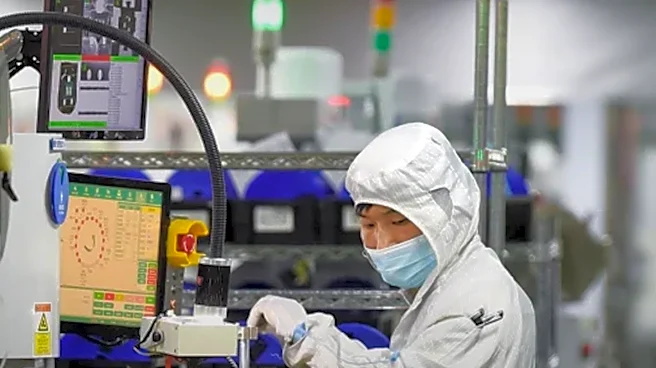
Pilatus has inaugurated its most expensive facility to date, the CHF 100 million Schwarzhorn building, in central Switzerland. This new center is dedicated to advanced composite manufacturing, bringing together development, production, inspection, and finishing
operations under one roof for approximately 300 employees. The move signifies Pilatus's strategic push to expand its composite technology across future aircraft designs. For over four decades, Pilatus has utilized composites primarily for secondary structures like covers and cowlings, but this role expanded with the PC-24 Super Versatile Jet, which incorporates composite load-bearing control surfaces into its primary structure. The Schwarzhorn facility is designed with future automation and advanced manufacturing and inspection technologies in mind, aiming to keep development and production teams closely connected.
Why It's Important?
This investment by Pilatus in advanced composite manufacturing is significant for the aerospace industry, including its implications for U.S. aviation. Composites offer advantages such as lower weight, which contributes to reduced fuel consumption and improved aircraft performance, aligning with global efforts towards more sustainable aviation. As composites move deeper into primary aircraft structures, this development could influence design and manufacturing trends for U.S. aircraft manufacturers and suppliers. The facility's focus on sustainability, with solar installations, recovered process heat, and groundwater cooling, also sets a benchmark for environmentally conscious manufacturing practices that could be adopted or emulated by U.S. companies. For the U.S. market, this could mean more fuel-efficient aircraft becoming available, and potentially, increased competition or collaboration in composite technology development.
What's Next?
The Schwarzhorn facility will immediately begin consolidating Pilatus's composite manufacturing processes, from raw material storage to finished kit delivery for final assembly. The company will likely continue to integrate advanced automation and inspection technologies into its operations, further streamlining production and enhancing quality control. Pilatus's commitment to achieving LEED Platinum certification for the facility indicates an ongoing focus on sustainable practices. The expansion of composite technology into more critical aircraft components suggests that future Pilatus aircraft will increasingly leverage these materials for performance and efficiency gains. This development could also lead to new partnerships or supply chain opportunities within the global aerospace sector, potentially involving U.S. suppliers of composite materials or manufacturing equipment.
Beyond the Headlines
The opening of the Schwarzhorn facility represents more than just a new production site; it signifies a strategic shift in aircraft manufacturing towards greater reliance on advanced materials. The increasing use of composites in load-bearing structures challenges traditional metal-based manufacturing paradigms, requiring new skill sets, design philosophies, and regulatory considerations. This move by Pilatus highlights the long-term trend of aerospace companies investing heavily in research and development to push the boundaries of material science for aviation. The emphasis on sustainability in the facility's design also reflects a growing industry-wide imperative to reduce environmental impact throughout the aircraft lifecycle, from manufacturing to operation. This could trigger broader discussions within the U.S. aerospace sector about the ethical and environmental responsibilities of advanced manufacturing and the need for a skilled workforce capable of working with these cutting-edge materials.