




What's Happening?
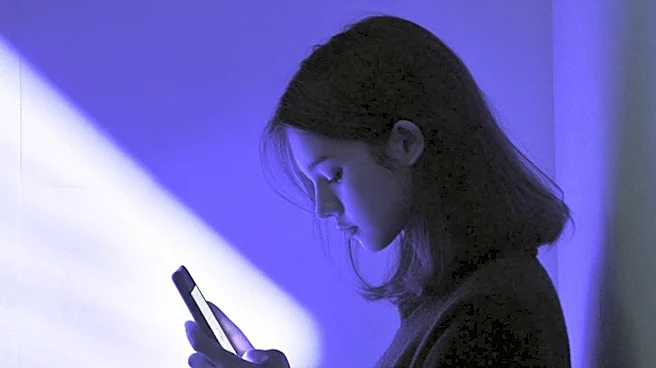
Concerns are rising regarding the impact of blue light emitted from electronic devices on skin health, particularly hyperpigmentation and sleep disruption. While sunlight is the primary source of blue light, devices like phones, laptops, and televisions
also emit it, albeit at significantly lower levels. Research suggests that blue light exposure can increase melanin production, potentially aggravating hyperpigmentation, especially in individuals with darker skin. Some laboratory studies indicate that blue light might harm collagen, contributing to wrinkle formation, though this is less likely for typical device usage distances. More significantly, blue light, particularly before bedtime, suppresses melatonin production, interfering with sleep and potentially worsening existing skin conditions like acne, eczema, and rosacea. Sleep loss also elevates cortisol, a stress hormone that degrades collagen and impairs the skin's natural barrier. The beauty industry has responded by offering various blue light protective skincare products, but their effectiveness beyond laboratory settings remains largely unproven. For individuals with melasma, strong protection from all visible light, such as mineral-based sunscreens and opaque cosmetics, is crucial.
Why It's Important?
The increasing reliance on electronic devices in daily life makes understanding the effects of blue light on skin health and the efficacy of protective measures important for public health and the skincare industry. The potential for blue light to exacerbate hyperpigmentation and contribute to premature skin aging could lead to a greater demand for effective protective solutions and clearer guidance for consumers. The link between blue light, sleep disruption, and skin conditions highlights a broader health concern, as chronic sleep deprivation has systemic effects beyond skin health. For the skincare industry, the unproven efficacy of many 'blue light protection' products presents both a challenge and an opportunity. There is a need for rigorous testing and transparent communication to build consumer trust and develop genuinely effective products. Conversely, the focus on blue light could drive innovation in photoprotection, leading to advancements that benefit a wider range of skin concerns. Consumers stand to gain from clearer information on how to mitigate blue light exposure and choose effective skincare, while manufacturers face pressure to substantiate product claims.
What's Next?
Further research is needed to definitively establish the long-term effects of device-emitted blue light on skin and to rigorously test the efficacy of skincare products claiming blue light protection. Consumers can expect continued marketing of blue light protective products, but also a growing demand for scientific evidence to support these claims. Regulatory bodies may eventually need to provide clearer guidelines for product labeling and testing standards in this emerging category. Individuals are advised to adopt practical measures to reduce blue light exposure, especially before bed, such as using device 'night mode' settings, reducing screen time, and keeping devices at a distance. Prioritizing broad-spectrum sunscreen, which offers protection against various light spectrums, remains a key recommendation for overall skin health. The medical community will likely continue to emphasize the importance of good sleep hygiene for skin health, given the established link between melatonin suppression, sleep quality, and skin conditions.
Beyond the Headlines
The discussion around blue light and skin health extends beyond immediate cosmetic concerns, touching upon broader societal implications of digital device usage. The pervasive nature of screens in modern life means that blue light exposure is a constant for many, raising questions about its cumulative impact on overall well-being, not just skin. This issue highlights the ongoing challenge of adapting human biology to a rapidly evolving technological environment. Ethically, the marketing of unproven 'blue light protection' products raises concerns about consumer exploitation and the need for greater transparency in the beauty industry. Culturally, the emphasis on blue light protection reflects a growing awareness of environmental stressors on the skin, moving beyond traditional concerns like UV radiation to encompass a wider range of light spectrums. This could lead to a more holistic approach to skincare that considers the full spectrum of environmental factors and their impact on skin health and aging.