







What's Happening?
For post-menopausal women, incorporating light weight training into their fitness routines can yield substantial health advantages, according to fitness experts Keli Roberts and Brook Benten. This form of resistance training is particularly crucial as
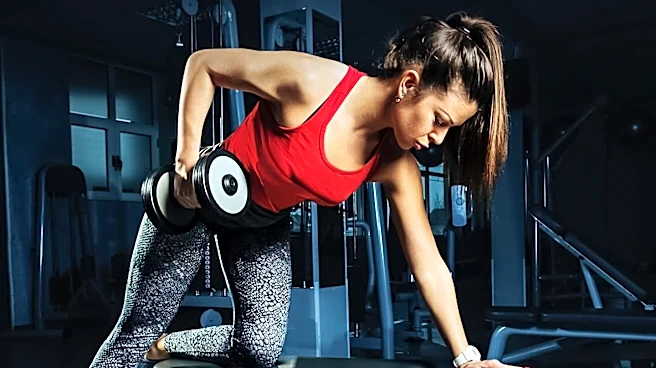
hormonal changes during perimenopause and menopause can accelerate the loss of muscle and bone density, impacting strength, balance, metabolism, and fracture risk. Light lifting, performed several times a week, helps to counteract these changes by maintaining and building strong muscles and bones. Roberts, an American College of Sports Medicine–certified exercise physiologist, emphasizes that while activities like walking are beneficial, they do not provide the necessary resistance training for upper body bones. Benten, a personal trainer and co-author, highlights that lifting lighter weights for more repetitions increases muscle endurance, making daily tasks easier. Starting with light weights and focusing on proper form and technique is recommended, even for those new to strength training, as advised by certified personal trainer Teddy Savage.
Why It's Important?
The emphasis on light weight training for post-menopausal women addresses critical health concerns prevalent in this demographic. Declining estrogen and progesterone levels increase the risk of osteoporosis, a condition characterized by weakened bones. Light weight training actively encourages the formation of new bone, mitigating age-related declines in bone mineral density. Beyond bone health, this exercise regimen is vital for preserving lean muscle mass, which naturally decreases by 3% to 8% per decade after age 30 and even faster after 60. Maintaining muscle mass is key to a healthy metabolism, as aging typically slows it down and promotes fat gain, especially around the waist and hips. Furthermore, light weights improve core strength and balance, significantly reducing the risk of falls, a major concern for older adults. The psychological benefits are also notable, as exercise releases mood-boosting endorphins and serotonin, helping to lower stress and improve overall well-being.
What's Next?
Individuals, particularly post-menopausal women, are encouraged to integrate light weight training into their regular fitness schedules. Fitness experts recommend starting with light weights and prioritizing proper form over the amount of weight lifted. This approach allows for gradual progression and minimizes injury risk. Consulting with healthcare professionals or certified personal trainers is advisable to develop a personalized and safe routine. The continued promotion of light resistance training could lead to broader public health initiatives aimed at improving bone density, muscle mass, and balance among older adults. Further research may explore optimal frequencies, types of exercises, and the long-term impact of light weight training on various health markers in this population.
Beyond the Headlines
The focus on light weight training for post-menopausal women underscores a broader shift in understanding exercise benefits, moving beyond the traditional emphasis on heavy lifting for muscle gain. This approach highlights the importance of functional strength and bone health for maintaining independence and quality of life in later years. It also challenges the perception that significant physical exertion is always necessary for impactful results, making exercise more accessible and less intimidating for a wider demographic. The mental health benefits, including mood enhancement and stress reduction, further illustrate the holistic impact of physical activity. This trend could lead to more inclusive fitness programs and a greater appreciation for diverse exercise modalities that cater to specific age groups and health needs, promoting a more sustainable and enjoyable approach to lifelong wellness.