






What's Happening?
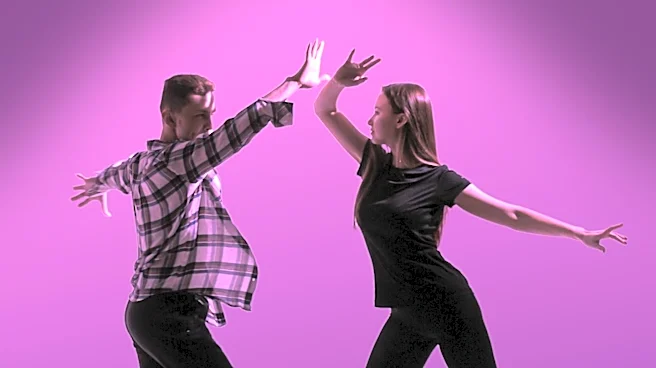
The Cloud Gate Dance Theater of Taiwan recently concluded the U.S. leg of its tour with a single performance at UCLA’s Royce Hall in Los Angeles on November 21, 2026. This marks the company's first return to Los Angeles since 2016. The performance featured
two works choreographed by Artistic Director CHENG Tsung-lung: 'Blue Hour' and 'Beckoning.' Notably, the company performed for one night only at Royce Hall, which has a smaller seating capacity compared to their previous Los Angeles venue, the Dorothy Chandler Pavilion, where they performed three shows in 2016. The reduction in audience size and number of performances is speculated to be influenced by current social and political conditions, including decreased state and federal funding for the arts, the impact of inflation on discretionary spending, and the lingering effects of the COVID-19 pandemic on arts patronage, which may have habituated audiences to at-home entertainment.
Why It's Important?
This event highlights the ongoing challenges faced by performing arts organizations, particularly international touring companies, in the post-pandemic era. The reduced scale of Cloud Gate Dance Theater's engagement in Los Angeles, a major cultural hub, reflects broader trends in arts funding and audience behavior across the U.S. The speculation regarding the impact of social, political, and economic factors on arts patronage underscores the vulnerability of cultural institutions to external pressures. For the U.S. arts scene, a decrease in international touring engagements could limit exposure to diverse artistic expressions and potentially impact cultural exchange. It also raises concerns about the long-term sustainability of live performance, as organizations grapple with evolving audience habits and financial constraints. The situation suggests a need for renewed focus on arts funding and innovative strategies to re-engage audiences in live cultural experiences.
What's Next?
The future for touring international dance companies in the U.S. will likely involve continued adaptation to changing economic and social landscapes. Arts organizations may need to explore new funding models, diversify their revenue streams, and implement creative marketing strategies to attract audiences back to live performances. There could be an increased emphasis on digital engagement and hybrid models that combine live and virtual experiences to reach a wider audience. Policy discussions around state and federal arts funding may also gain renewed urgency as the impact of reduced support becomes more apparent. For companies like Cloud Gate, future U.S. tours might involve more strategic planning regarding venue selection, performance frequency, and audience targeting to ensure financial viability and artistic reach in a challenging environment.
Beyond the Headlines
The reduced presence of a renowned international company like Cloud Gate Dance Theater in a major U.S. city like Los Angeles points to a deeper cultural shift. The 'aftershock' of the COVID-19 pandemic, as mentioned in the source, extends beyond immediate health concerns to a re-evaluation of leisure activities and discretionary spending. The habituation of people to 'staying home and streaming entertainment on a laptop' suggests a fundamental change in how live arts are valued and consumed. This trend could lead to a more insular cultural landscape if international exchanges become less frequent. It also raises ethical questions about the accessibility of high-quality arts experiences, as financial pressures might force companies to prioritize more lucrative markets or reduce their touring footprint. The long-term implications could include a narrowing of artistic perspectives and a diminished appreciation for the unique, irreplaceable experience of live performance.