





What's Happening?
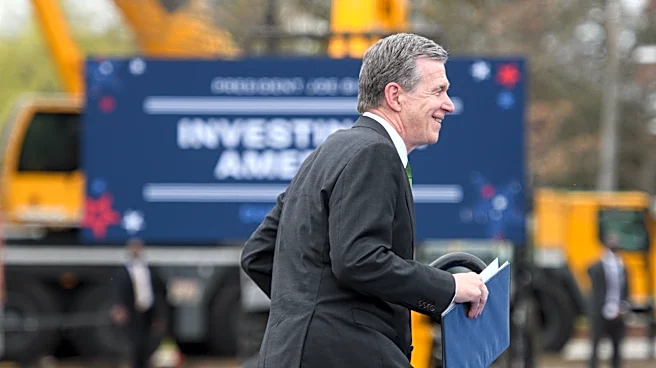
North Carolina Attorney General Jeff Jackson has filed a lawsuit against Dollar General, alleging that the retail chain charges customers higher prices at the register than those advertised in stores. This legal action, announced on October 27, follows
an initial complaint by the Federal Trade Commission (FTC) and now includes 20 states. The lawsuit stems from over 29,000 customer complaints and thousands of failed pricing inspections documented in Dollar General's internal audits. Attorney General Jackson stated that investigations indicate Dollar General is aware of these discrepancies and has not adequately addressed them, suggesting it may be part of their business model to profit from overcharging customers. Dollar General, which serves approximately 75% of Americans within five miles of its stores, particularly in rural areas where it is often the only option for household essentials, has denied intentionally taking advantage of customers. The company claims that occasional price discrepancies can occur despite its policies and procedures, and that it has enhanced its price-accuracy processes.
Why It's Important?
This lawsuit is significant because it addresses consumer protection issues, particularly impacting low-income and rural communities that heavily rely on Dollar General for essential goods. Attorney General Jackson highlighted that over one million North Carolinians shop at Dollar General, and even small overcharges, often unnoticed, can accumulate and disproportionately affect families with limited budgets. The case raises questions about corporate accountability and ethical business practices, especially for companies that position themselves as affordable options. If the allegations are proven true, it could lead to substantial financial penalties for Dollar General and potentially force systemic changes in its pricing and operational practices across its numerous locations. This legal challenge also underscores the role of state attorneys general and federal agencies like the FTC in safeguarding consumer rights against deceptive pricing strategies, potentially setting a precedent for similar actions against other retailers.
What's Next?
Dollar General has stated its intention to defend itself as the lawsuit progresses. The initial stages of the legal battle will likely involve discovery, where both sides gather evidence, and potentially motions to dismiss or for summary judgment. The outcome could result in a court order mandating changes to Dollar General's pricing systems, significant financial penalties, or a settlement that includes restitution for affected customers. The involvement of 20 states suggests a coordinated effort that could lead to a broader impact on the retail industry, prompting other discount retailers to review their pricing accuracy. Consumer advocacy groups and state regulatory bodies will likely monitor the proceedings closely, and the case could influence future legislative efforts aimed at strengthening consumer protection laws related to pricing transparency.
Beyond the Headlines
Beyond the immediate legal and financial implications, this lawsuit highlights a deeper societal issue concerning access to affordable goods and the vulnerability of certain populations. Dollar General's prevalence in rural areas means that any deceptive practices disproportionately affect communities with fewer shopping alternatives. The case also touches upon the ethical responsibilities of large corporations, particularly those serving essential needs, to ensure fair and transparent dealings with their customers. The argument that price discrepancies might be an intentional 'business model' rather than an oversight suggests a potential systemic issue within the discount retail sector. This situation could spark broader discussions about corporate ethics, the effectiveness of current regulatory oversight, and the need for stronger consumer protections, especially for those who are most susceptible to minor financial exploitation.