








What's Happening?
Tate Britain's latest exhibition, 'The 90s: Art and Fashion,' curated by former British Vogue editor-in-chief Edward Enninful, is facing criticism for its perceived lack of substance and expertise. The exhibition, which aims to explore the 1990s in Britain,
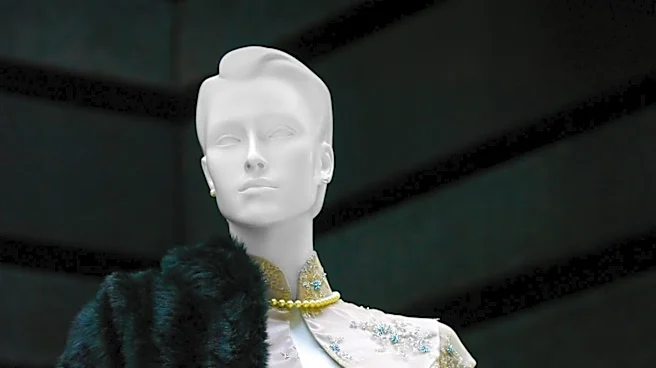
is described as falling into 'meaningless anti-intellectualism.' Critics argue that the show, which features a mix of fashion, commercial and personal photography, and fine art, fails to distinguish between these categories, leading to an oversight rather than a critical choice. Many of the works displayed, including numerous snapshots of parties, photographs of Kate Moss, and videos of fashion shows, are deemed to be of low artistic quality. The exhibition is seen as a reflection of a trend where museum curation is treated as a celebrity hobby rather than a role requiring specialized knowledge, symptomatic of a broader societal phobia of experts. Enninful's personal connection to the decade and his presence in the lives of the artists and models are highlighted, raising questions about whether his voice or a neutral museum voice is guiding the narrative.
Why It's Important?
This critique of Tate Britain's exhibition highlights a significant debate within the art world regarding the balance between accessibility and intellectual rigor. The trend of engaging celebrity curators, as seen with Edward Enninful, raises questions about the role of expertise in shaping cultural narratives and public perception of art. For U.S. cultural institutions, this situation serves as a cautionary tale about the potential pitfalls of prioritizing celebrity appeal over curatorial depth. If major exhibitions are perceived as lacking substance, it could erode public trust in museums as authoritative sources of cultural meaning. This could impact funding, visitor engagement, and the overall reputation of art institutions, potentially leading to a decline in the appreciation of fine art in favor of more commercially driven or celebrity-focused displays. The discussion also touches on the broader societal trend of anti-intellectualism, which could have long-term implications for educational and cultural sectors.
What's Next?
The critical reception of 'The 90s: Art and Fashion' may prompt further discussions within the museum community about curatorial practices and the balance between engaging new audiences and maintaining artistic integrity. While the exhibition aims to attract visitors through its celebrity curator and nostalgic theme, the negative reviews could influence future curatorial decisions at Tate Britain and other major art institutions. Museums might face increased pressure to justify their curatorial choices and demonstrate the expertise behind their exhibitions. This could lead to a re-evaluation of the role of celebrity curators and a renewed emphasis on scholarly rigor in exhibition development. The ongoing debate about accessibility versus intellectualism in art will likely continue, with institutions needing to navigate these tensions to remain relevant and respected.
Beyond the Headlines
The controversy surrounding Tate Britain's exhibition extends beyond mere artistic critique, touching upon deeper cultural and ethical implications. The blurring of lines between fine art and visual culture, and the perceived lack of critical distinction, could contribute to a devaluation of traditional artistic standards. This development might encourage a more consumerist approach to art, where exhibitions are judged more on their entertainment value or celebrity association than on their intellectual or aesthetic merit. Furthermore, the critique of 'meaningless anti-intellectualism' reflects a broader societal concern about the erosion of expertise and the rise of superficial engagement with complex subjects. This could have long-term consequences for how cultural history is interpreted and presented, potentially leading to a less nuanced understanding of past movements and their significance. The exhibition's focus on Enninful's personal experience, while offering a unique perspective, also raises questions about the objectivity and universality of museum narratives.