




What's Happening?
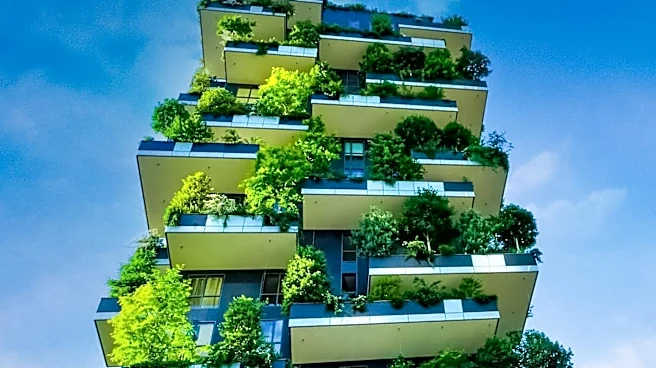
Major developer Mori Building Co. in Tokyo is actively incorporating agricultural elements, such as grapevines and rice paddies, into the rooftop gardens of its high-rise buildings. This initiative aims to bring nature into urban life and foster biodiversity
within the city. For instance, Kyoho grapes were harvested from the rooftop garden of Akasaka Tameike Tower in Tokyo's Minato Ward. Four grape trellises, each measuring 3 meters on each side, have been installed approximately 100 meters above ground. Staff dedicated about three hours to carefully cut around 50 bunches of Kyoho grapes. This practice is part of a broader effort by developers to create green spaces and integrate natural elements into the dense urban landscape of Tokyo, moving beyond traditional urban planning to include productive agriculture in unexpected places.
Why It's Important?
This trend of integrating agriculture into urban high-rises in Tokyo holds significant implications for urban development and sustainability globally. It demonstrates a potential model for increasing green spaces and local food production in densely populated cities, which can enhance urban biodiversity and potentially mitigate the urban heat island effect. For residents, these rooftop gardens offer a unique connection to nature and food sources, potentially improving quality of life and promoting environmental awareness. Economically, while the scale of production may not replace traditional agriculture, it can contribute to local food systems and offer educational opportunities. This approach could also inspire similar initiatives in other major U.S. cities facing challenges of urbanization and limited green space, offering a blueprint for more sustainable and livable urban environments.
What's Next?
The success and expansion of these urban agricultural projects in Tokyo could lead to increased adoption of similar green infrastructure initiatives in other global cities, including those in the U.S. Future developments might see more diverse crops being cultivated, potentially leading to small-scale commercial operations or community-supported agriculture models within urban centers. Research into the environmental benefits, such as air quality improvement and energy savings from rooftop insulation, could further drive investment in these projects. Additionally, policy changes and incentives from local governments might encourage more developers to integrate green and agricultural spaces into their designs, transforming urban skylines into productive landscapes. The long-term impact could include a shift in urban planning philosophies, prioritizing ecological integration alongside economic development.
Beyond the Headlines
Beyond the immediate benefits of green spaces and local food, this development touches upon deeper societal and cultural implications. It represents a re-evaluation of the relationship between urban dwellers and nature, moving towards a more integrated and symbiotic existence. The act of growing food in a high-rise can foster a sense of community and connection among residents, offering a counter-narrative to the often-isolated experience of city living. Ethically, it raises questions about food sovereignty and the potential for urban areas to become more self-sufficient in food production. Culturally, it could lead to a renewed appreciation for agricultural practices and the origins of food, bridging the gap between urban consumers and rural producers. This innovative approach challenges conventional notions of urban design, suggesting a future where cities are not just concrete jungles but vibrant, living ecosystems.