


What's Happening?
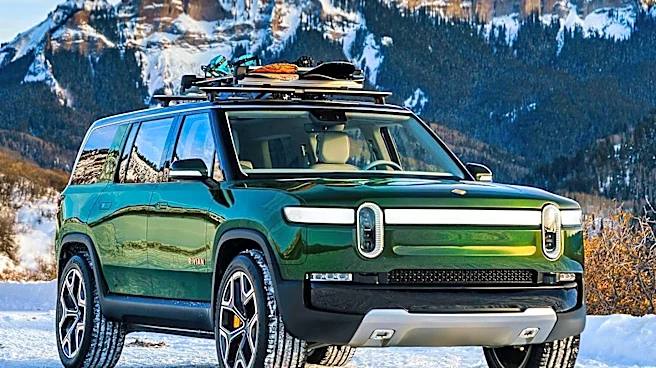
Rivian has begun rolling out its new RivianOS 2 software update to all R1S SUV and R1T pickup models via an over-the-air update, specifically version 2026.31. This update brings the user interface of existing R1 vehicles in line with the newer R2 model.
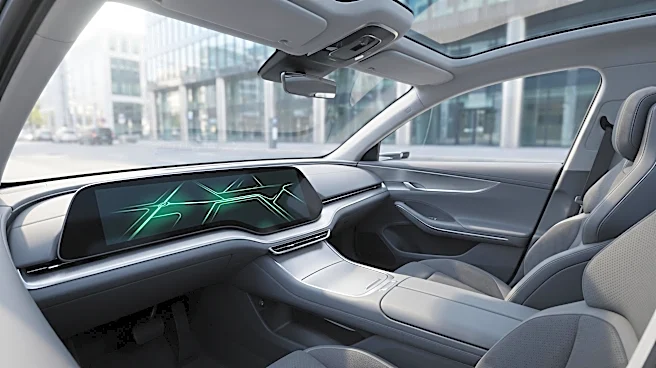
Key enhancements include dynamic controls that appear based on user activity, a redesigned settings menu with a search function, and a reconfigured media player. The update also integrates real-time route alerts from Google Maps, providing information on speed cameras and police presence. For Connect+ subscribers, a dedicated weather app with current conditions and a 10-day forecast is included, along with the ability to manage trips live from the Rivian app. While the design language is consistent, hardware differences mean that newer R1s and R2s utilize Unreal Engine 5 for 3D renderings, while older R1s retain Unreal Engine 4 to maintain system responsiveness.
Why It's Important?
This significant software update is important for Rivian as it demonstrates the company's commitment to enhancing the user experience and providing ongoing value to its existing customer base through over-the-air (OTA) updates. By unifying the software experience across its R1 and R2 lineups, Rivian aims to create a cohesive brand identity and streamline future software development. The introduction of advanced features like dynamic controls, improved navigation alerts, and enhanced AI voice assistance can significantly improve driver convenience and safety. This move also helps to mitigate the perception of obsolescence for earlier R1 models, ensuring they benefit from the latest technological advancements. For the broader automotive industry, Rivian's approach highlights the growing importance of software-defined vehicles and the potential for continuous improvement post-purchase, setting a benchmark for customer retention and brand loyalty in the competitive electric vehicle market.
What's Next?
The rollout of RivianOS 2 will continue across eligible R1 and R2 vehicles, with availability potentially varying by specific vehicle. Rivian's strategy of unifying its software stack across models suggests that future improvements and new features will likely be applied consistently across the R1 and R2 lineups, ensuring that all customers benefit from ongoing development. The company will likely monitor user feedback on the new interface and features to inform subsequent updates. This continuous improvement model is expected to enhance the long-term value proposition of Rivian vehicles. Furthermore, the integration of advanced AI voice assistance and real-time navigation data indicates a trend towards more connected and intelligent vehicle ecosystems, which could see further expansion of third-party integrations and personalized services in future updates. The success of this rollout could also influence other automakers to adopt similar comprehensive OTA update strategies.
Beyond the Headlines
The RivianOS 2 update signifies a deeper shift in the automotive industry, moving beyond hardware-centric development to a software-defined paradigm. This approach transforms vehicles from static products into evolving platforms that can adapt and improve over their lifespan. The distinction between hardware capabilities (e.g., Unreal Engine 4 vs. 5) within the same software ecosystem highlights the challenges and compromises involved in maintaining responsiveness across different generations of vehicles. This also raises questions about the long-term support for older hardware and the potential for a tiered user experience based on a vehicle's manufacturing date. Ethically, the ability to disable features like hotword wake-word functionality and restrict location sharing underscores the growing importance of privacy controls in connected vehicles. This ongoing evolution of vehicle software will likely lead to new business models, such as subscription-based features and personalized services, fundamentally altering the relationship between car manufacturers and owners.