



What's Happening?
Policy decisions at federal, state, and local levels are significantly shaping the U.S. commercial real estate market, according to a discussion at NAR NXT. Experts highlighted emerging trends such as adaptive reuse and data center development. Jessica
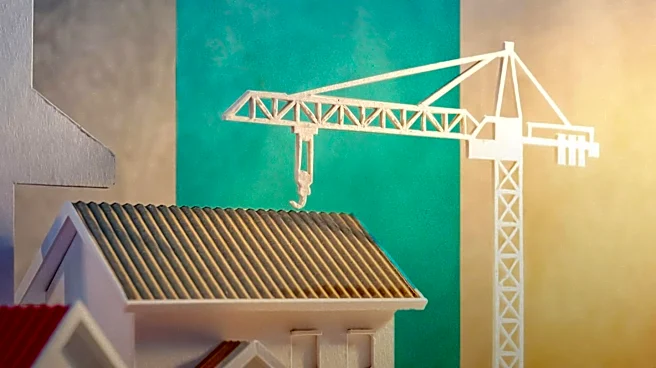
Lautz, NAR deputy chief economist, noted growing interest in converting aging commercial properties into new uses. Evan Liddiard, NAR's federal taxation director, emphasized the importance of protecting tax provisions like the 1031 like-kind exchange and advocating for incentives to convert underused commercial buildings into housing. Regulatory hurdles, including zoning and permitting requirements, often slow redevelopment efforts, as pointed out by Erin Stackley, NAR director of commercial and policy oversight. The discussion also addressed challenges in commercial lending, with many loans issued under different economic conditions now maturing, creating difficulties for property owners and investors. Collaboration among policymakers, local governments, and industry stakeholders is deemed crucial for addressing these challenges.
Why It's Important?
The influence of policy decisions on the commercial real estate sector is critical for U.S. economic stability and urban development. Protecting tax provisions like the 1031 like-kind exchange helps maintain liquidity and investment in commercial properties, which are vital for business growth and job creation. Incentives for converting commercial buildings into housing could address the national housing shortage and revitalize urban centers. However, slow and complex zoning and permitting processes can deter investment and delay much-needed redevelopment projects, impacting local economies and housing availability. The challenges in commercial lending, particularly with maturing loans, pose a risk to property owners and investors, potentially leading to defaults and broader financial instability if not managed effectively. The ability of the commercial real estate market to adapt to new economic realities and policy shifts will determine its resilience and contribution to the overall U.S. economy.
What's Next?
The ongoing dialogue among policymakers, local governments, and industry stakeholders will likely focus on streamlining regulatory processes and developing new incentives to support commercial real estate development and adaptation. Advocacy efforts by organizations like NAR will continue to push for policies that encourage investment and facilitate the conversion of underutilized properties. Addressing the challenges posed by maturing commercial loans will require careful consideration from lenders and potentially new financial instruments or government support to prevent widespread distress. Future policy discussions may also explore innovative financing mechanisms and public-private partnerships to accelerate adaptive reuse projects and data center development. The effectiveness of these collaborative efforts will determine the pace and success of commercial real estate market evolution in response to changing economic and social needs.
Beyond the Headlines
Beyond the immediate policy and economic implications, the emphasis on adaptive reuse reflects a broader societal shift towards sustainability and efficient resource utilization. Converting existing structures rather than always building new ones can reduce environmental impact and preserve historical urban fabric. The rise of data centers also highlights the increasing digitalization of the economy and the growing demand for robust technological infrastructure, which has significant implications for land use, energy consumption, and regional economic development. The challenges in commercial lending could also expose vulnerabilities in the financial system, prompting a reevaluation of lending practices and risk assessment models. Ultimately, the interplay between policy, finance, and urban planning in commercial real estate will shape the future landscape of American cities and the sustainability of its economic growth.