

What's Happening?
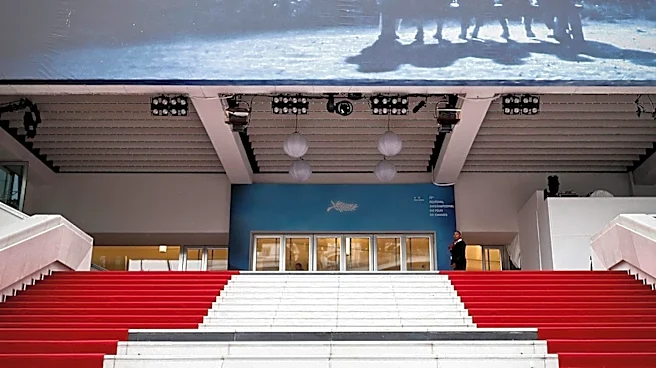
The Cannes Film Festival and the Marché du Film have officially opened calls for participation for their 2027 immersive programs: the Immersive Competition and the Immersive Market. Creators and artists globally are invited to submit innovative XR experiences
and video mapping projects for the Immersive Competition, which aims to push the boundaries of storytelling and artistic expression. Selected works will compete for the Best Immersive Work award. Concurrently, the Immersive Market is seeking producers, distributors, curators, cultural venue programmers, tour organizers, and investors for its 2027 edition. This market will feature conferences, workshops, and targeted professional meetings, providing a platform for industry stakeholders to explore new distribution opportunities and foster international partnerships within the growing location-based entertainment sector. Both the Competition and the Market will be held in a 450 m² hybrid immersive space at the Hôtel Carlton, utilizing an innovative presentation format first introduced in 2026. The submission deadline for both programs is January 8, 2027.
Why It's Important?
This initiative by the Cannes Film Festival highlights a significant shift in the entertainment industry towards immersive technologies and spatialized storytelling. By dedicating a specific competition and market to XR experiences, video mapping, spatialized audio, and artificial intelligence, the festival is acknowledging and actively promoting these emerging art forms. This move could accelerate the adoption and development of immersive content, influencing how stories are told and consumed globally. For U.S. creators and businesses, this presents a major opportunity to gain international recognition and secure funding or distribution for their immersive projects. The focus on location-based entertainment also signals potential growth in physical immersive experiences, which could lead to new venues and job creation in the U.S. entertainment and technology sectors. The festival's endorsement lends credibility and visibility to these technologies, potentially attracting more investment and talent into the immersive content ecosystem.
What's Next?
Following the January 8, 2027, submission deadline, the Cannes Film Festival will proceed with the selection process for both the Immersive Competition and the Immersive Market. Creators and artists whose works are chosen for the competition will prepare to showcase their innovative XR experiences and video mapping projects. Concurrently, industry professionals selected for the Immersive Market will begin planning their participation in conferences, workshops, and networking events. The 2027 event will take place in the dedicated 450 m² hybrid immersive space at the Hôtel Carlton, building on the format introduced in 2026. The outcomes of the competition, particularly the awarding of the Best Immersive Work, will likely influence future trends and investment in immersive storytelling. The market's success in fostering partnerships could lead to new distribution channels and collaborative projects for immersive content globally, including for U.S. participants.
Beyond the Headlines
The Cannes Film Festival's embrace of immersive technologies like XR, spatialized audio, and AI for storytelling signifies a deeper evolution in artistic expression and audience engagement. This move transcends traditional filmmaking, suggesting a future where narratives are not just watched but experienced within virtual and physical worlds. The emphasis on spatialized storytelling as a legitimate art form challenges conventional notions of cinema and performance, potentially leading to new critical frameworks and academic studies in media arts. Ethically, the integration of AI in creative processes raises questions about authorship and the role of human creativity versus algorithmic generation. Legally, as immersive experiences become more prevalent, issues surrounding intellectual property rights in virtual environments and data privacy within interactive narratives will likely come to the forefront. Culturally, this development could reshape how audiences interact with art, moving from passive consumption to active participation, thereby fostering a more personalized and interactive cultural landscape.