





What's Happening?
The Volkswagen Group's Innovation Center California is actively seeking a Senior Software Engineer specializing in Android development, particularly with Android Open Source Project (AOSP) experience. This multi-year contract position focuses on leading
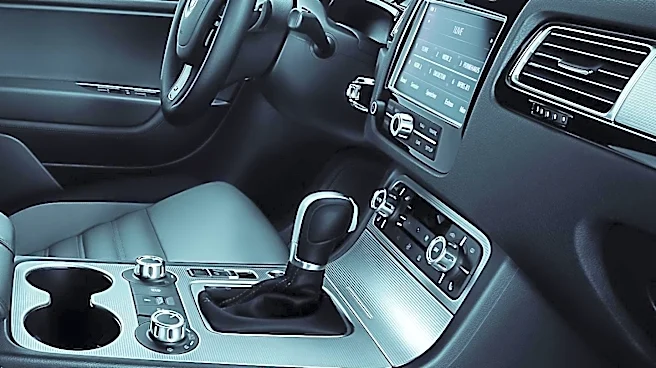
application development for both mobile and vehicle infotainment systems. The role involves working with cross-disciplinary teams to create and implement next-generation infotainment concepts, emphasizing user journeys and innovation. Key responsibilities include developing mobile applications that integrate with vehicle infotainment systems, prototyping interactive augmented reality (AR) experiences using spatial computing frameworks, and customizing Android Automotive for vehicle integration. The engineer will also be tasked with identifying and collaborating with external Silicon Valley companies to incorporate disruptive technologies, track the impact of new ideas, and present findings at internal and external technology events. The position requires at least eight years of software development experience, with five or more years specifically in Android application development, and a Bachelor's Degree in Computer Science, Electrical Engineering, or Game Design.
Why It's Important?
This hiring initiative by Volkswagen Group underscores the automotive industry's accelerating shift towards advanced in-car technology and seamless digital integration. By investing in senior Android development talent at its California Innovation Center, Volkswagen aims to enhance its competitive edge in the rapidly evolving connected car market. The focus on mobile-to-vehicle app transformation and augmented reality indicates a strategic move to offer more immersive and intuitive user experiences, which are becoming critical differentiators for consumers. This development is significant for the U.S. technology sector, particularly in Silicon Valley, as it highlights continued demand for specialized software engineering skills within the automotive domain. It also signals Volkswagen's commitment to leveraging the innovation ecosystem in California to drive its global product development, potentially influencing future automotive technology trends and setting new standards for in-vehicle infotainment systems across its diverse brand portfolio.
What's Next?
The successful candidate will be instrumental in shaping the future of Volkswagen Group's in-vehicle and mobile digital experiences. Their work will directly contribute to the development of next-generation product concepts, influencing how users interact with their vehicles and mobile devices. This role is expected to foster collaborations with external technology companies in Silicon Valley, potentially leading to new partnerships and the integration of cutting-edge technologies into Volkswagen's product roadmap. The outcomes of these innovations could be showcased in future vehicle models across Volkswagen's twelve brands, including Audi, Porsche, and Volkswagen Passenger Cars. Furthermore, the emphasis on spatial computing and AR suggests that future Volkswagen vehicles may offer advanced interactive features, pushing the boundaries of current infotainment systems and setting new expectations for the automotive user experience. The role also involves capturing intellectual property, indicating a long-term strategy to build a robust portfolio of proprietary technologies.
Beyond the Headlines
This strategic hire reflects a broader industry trend where traditional automotive manufacturers are increasingly becoming technology companies. The demand for specialized software engineers, particularly in areas like Android development and spatial computing, highlights the growing importance of software as a core component of vehicle design and functionality. This shift has implications for talent acquisition, as automotive companies now compete directly with tech giants for skilled professionals. Ethically, the development of advanced infotainment systems raises questions about data privacy, user attention, and the potential for digital distractions while driving. Legally, the integration of new technologies like AR into vehicles may necessitate updates to safety regulations and standards. Culturally, as vehicles become more integrated with digital ecosystems, they transform from mere transportation devices into personalized, connected spaces, blurring the lines between personal electronics and automotive functionality. This evolution could lead to significant long-term shifts in consumer expectations and the overall automotive landscape.