





What's Happening?
Melasma, a common pigment condition causing brown, gray-brown, or patchy discoloration primarily on the face, presents various treatment options. These include hydroquinone, triple-combination creams, and non-hydroquinone alternatives. Hydroquinone is a well-established
topical ingredient that reduces melanin production, often used in short cycles due to potential irritation or rebound discoloration. Triple-combination creams, such as Tri-Luma, are considered a gold standard, combining hydroquinone, tretinoin, and fluocinolone acetonide to target pigment production, skin turnover, and inflammation simultaneously. For individuals with sensitive skin or those seeking maintenance, gentler alternatives like azelaic acid, tranexamic acid, niacinamide, kojic acid, vitamin C, and cysteamine are available. These alternatives work more gradually but offer lower irritation risks.
Why It's Important?
The diverse range of melasma treatments underscores the complexity of the condition, which can be influenced by sun exposure, hormones, heat, and inflammation. The choice of treatment is critical and depends on factors such as pigmentation severity, skin sensitivity, and the patient's commitment to daily sun protection. While stronger prescription options like triple-combination creams offer faster results for stubborn cases, gentler alternatives provide sustainable solutions for sensitive skin or long-term maintenance. This variety allows for personalized treatment plans, crucial for managing a condition that often recurs if not consistently addressed. The availability of these treatments, including through online overseas pharmacies, expands access but also emphasizes the need for informed decision-making and understanding product usage.
What's Next?
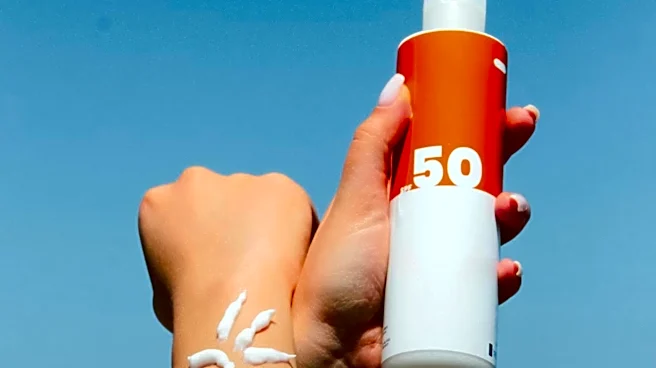
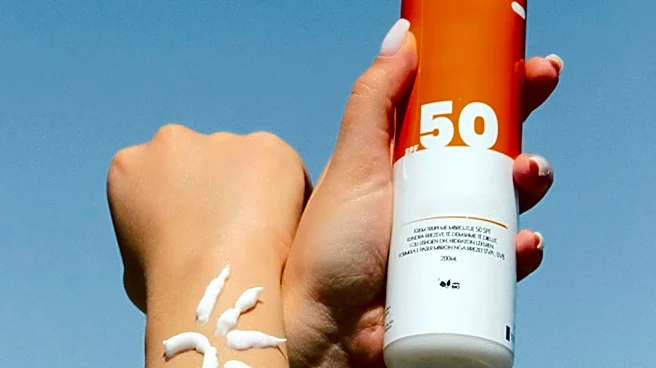
Individuals seeking melasma treatment should assess their skin's sensitivity and the severity of their pigmentation to choose the most appropriate option. Consistent daily sun protection, including broad-spectrum sunscreen (SPF 30 or higher) and seeking shade, is paramount for all treatment plans to prevent recurrence and enhance effectiveness. Patients should avoid harsh scrubs and over-exfoliation, and maintain a simple skincare routine to support skin barrier health. For those considering online purchases from overseas pharmacies, it is crucial to carefully review product details and understand proper usage. If melasma persists or returns, or if there is uncertainty about the diagnosis, professional medical evaluation is recommended.
Beyond the Headlines
The discussion of melasma treatments, particularly the role of online pharmacies, highlights the evolving landscape of dermatological care and consumer access to specialized medications. While online platforms can offer convenience and broader availability, they also place a greater onus on the consumer to be well-informed about product efficacy, potential side effects, and the importance of medical guidance. The emphasis on sun protection and consistent skincare routines for melasma treatment extends beyond just medication, pointing to a holistic approach to skin health. This trend reflects a broader shift towards patient empowerment in managing chronic conditions, balanced with the need for responsible self-care and professional consultation.