





What's Happening?
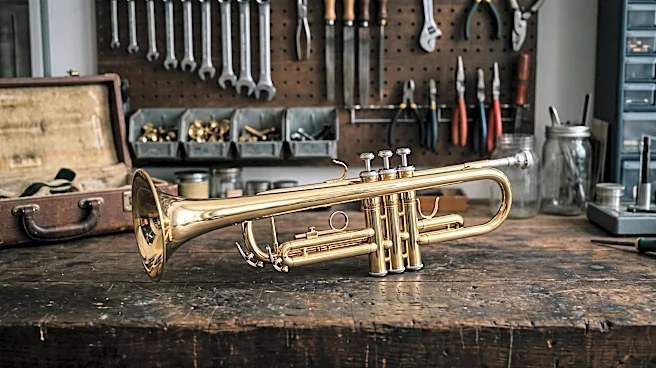
Juneau Brass & Winds, a long-standing instrument repair shop in Juneau, Alaska, is set to close its doors at the end of the year. Owner Bill Paulick announced his retirement, bringing an end to nearly five decades of service to musicians across Southeast
Alaska. Paulick, who started the business in 1978, has become a crucial part of the region's musical community, known for his ability to restore instruments to a 'better than new' condition. He estimates having completed 14,628 repairs, saving local musicians and school districts significant costs by providing local service instead of requiring instruments to be shipped to larger cities. Paulick plans to officially close on December 31, with December 15 being the last day to drop off instruments for repair. He hopes to find someone in the community interested in taking over instrument repairs and is willing to help them get started.
Why It's Important?
The closure of Juneau Brass & Winds marks the end of an era for the local music community and poses a significant challenge for musicians and school districts in Southeast Alaska. Bill Paulick's expertise and local presence have provided an invaluable service, saving thousands of dollars in shipping costs and repair times. Without a local repair shop, musicians will likely face increased expenses and longer waits for instrument maintenance, potentially impacting music education programs and the accessibility of musical instruments in the region. This closure highlights the vulnerability of specialized local businesses and the potential void left when such unique services cease to operate. The community will need to find alternative solutions to support its musical infrastructure, which could involve new local ventures or increased reliance on services from outside the region.
What's Next?
With the impending closure of Juneau Brass & Winds on December 31, musicians and educational institutions in Southeast Alaska will need to seek alternative solutions for instrument repairs. This could involve shipping instruments to repair shops in larger cities like Seattle or Anchorage, which will incur additional costs and longer turnaround times. There is a potential opportunity for a new individual or business to emerge and fill this critical service gap, especially given Bill Paulick's willingness to mentor someone interested in the trade. The local music community may also explore collaborative efforts to support a new repair service or to establish a program that trains local technicians. The impact on school music programs, in particular, will be closely watched as they adapt to the change in local repair availability.