








What's Happening?
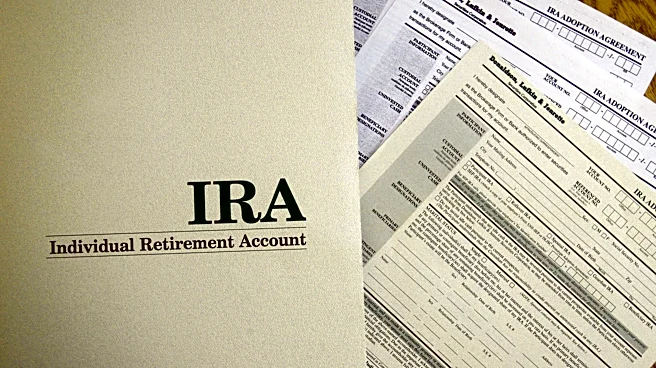
A federal judge has permitted a class-action lawsuit against UnitedHealth Group to move forward, focusing on the company's handling of 401(k) forfeiture funds. U.S. District Judge Eric C. Tostrud ruled that participants in UnitedHealth's 401(k) plan plausibly
alleged that fiduciaries mismanaged millions of dollars in forfeited retirement-plan funds. The lawsuit, filed in April 2025, claims that from 2019 to 2023, UnitedHealth's benefits committee used approximately $19.3 million in forfeited assets to reduce the company's matching and profit-sharing contributions, rather than offsetting plan administrative expenses. This action allegedly violated the Employee Retirement Income Security Act (ERISA), which mandates that forfeiture funds benefit the plan and its participants. The court dismissed claims related to actions after January 1, 2024, when UnitedHealth amended the plan to use forfeitures to reduce employer contributions.
Why It's Important?
This lawsuit highlights significant issues in the management of retirement plans, particularly concerning the fiduciary duties under ERISA. The outcome could set a precedent for how companies handle forfeited retirement-plan assets, potentially affecting millions of employees across the U.S. If the plaintiffs succeed, it may lead to stricter regulations and oversight on how companies manage these funds, ensuring they are used to benefit plan participants rather than corporate interests. This case also underscores the broader legal landscape, as it is one of many similar lawsuits nationwide, reflecting ongoing scrutiny of corporate practices in managing employee benefits.
What's Next?
The lawsuit will proceed on fiduciary-duty claims related to conduct before 2024. As the case unfolds, it may prompt other companies to reevaluate their retirement plan management practices to avoid similar legal challenges. The decision could influence future court rulings and potentially lead to legislative changes aimed at protecting employee retirement benefits. Stakeholders, including employees, employers, and policymakers, will likely monitor the case closely for its implications on retirement plan governance.