




What's Happening?
Studio apartment design is evolving to prioritize functionality and comfort within compact living spaces. Current trends emphasize transformable designs, incorporating multi-functional furniture and integrated storage solutions. A key aspect of these
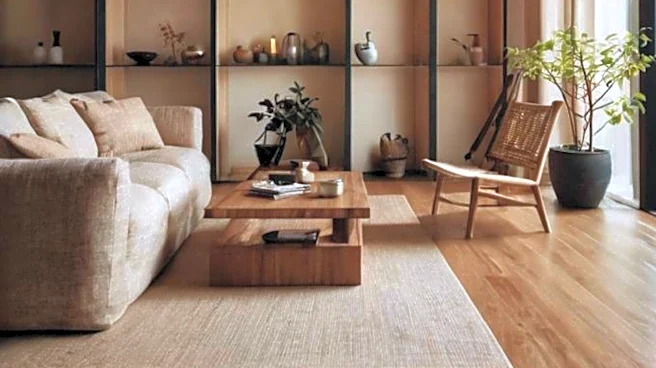
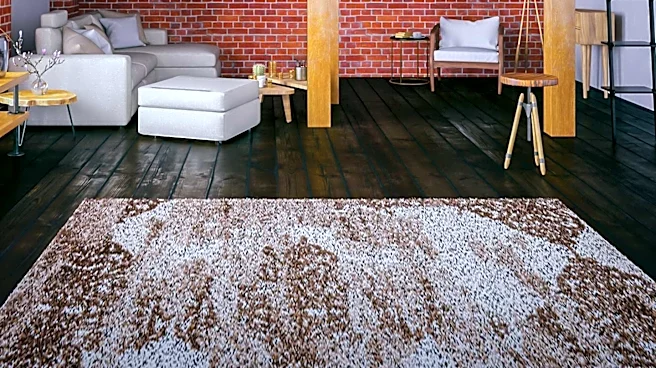
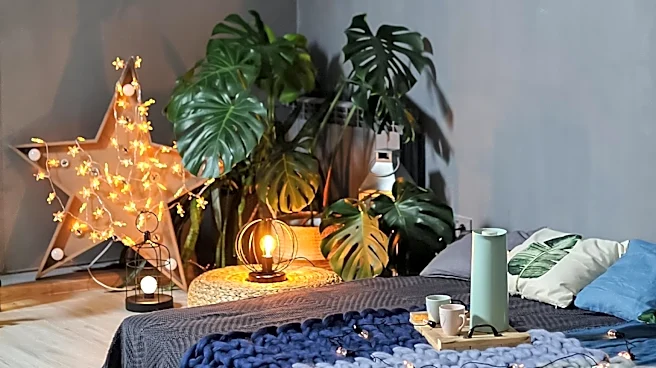
designs is the creation of distinct zones within a single room, often achieved through strategic furniture placement and the use of elements like rugs or open-backed bookshelves as visual dividers. For instance, angling a bed slightly away from a wall or floating a seating area towards the center of the room can create a more intentional and curated feel. Low-profile bed frames are also favored to reduce visual clutter and maintain open sightlines. The goal is to make a studio feel like a complete home, rather than a single, undifferentiated space, by giving each area a clear sense of purpose.
Why It's Important?
The emphasis on innovative studio apartment design is important for urban living, particularly in areas with high population density and limited space. As more individuals and couples opt for smaller living arrangements due to affordability or lifestyle choices, efficient and comfortable studio designs become crucial. These design principles allow residents to maximize their living experience, transforming what might otherwise feel cramped into a functional and aesthetically pleasing home. The focus on multi-functional furniture and smart zoning can significantly improve the quality of life for studio dwellers, offering solutions for storage, privacy, and distinct living areas without the need for structural changes. This trend also influences the real estate market, as well-designed studios can be more attractive and command better value, catering to a growing demographic seeking efficient urban living.
What's Next?
The evolution of studio apartment design is likely to continue with further innovations in modular and customizable furniture. We can expect to see more integration of smart home technology to enhance functionality and space-saving features, such as retractable beds or hidden workstations. Designers will likely explore new materials and construction techniques that allow for even more flexible and adaptable living spaces. The concept of 'micro-apartments' and co-living spaces, which often draw inspiration from studio design principles, may also become more prevalent. Additionally, as remote work continues to be a factor, the demand for studios that can seamlessly integrate a dedicated, yet discreet, workspace will likely drive further design advancements.
Beyond the Headlines
Beyond the immediate benefits of space optimization, the trend in studio apartment design reflects broader societal shifts towards minimalism, sustainability, and urban living. The emphasis on efficient design encourages a more conscious approach to consumption and possessions, aligning with minimalist philosophies. From an environmental perspective, smaller living spaces generally require less energy for heating and cooling, contributing to a reduced carbon footprint. Culturally, these designs challenge traditional notions of what constitutes a 'home,' demonstrating that comfort and functionality are not solely dependent on square footage. This shift could lead to a re-evaluation of urban planning and housing development, promoting more compact, sustainable, and community-oriented living environments.