






What's Happening?
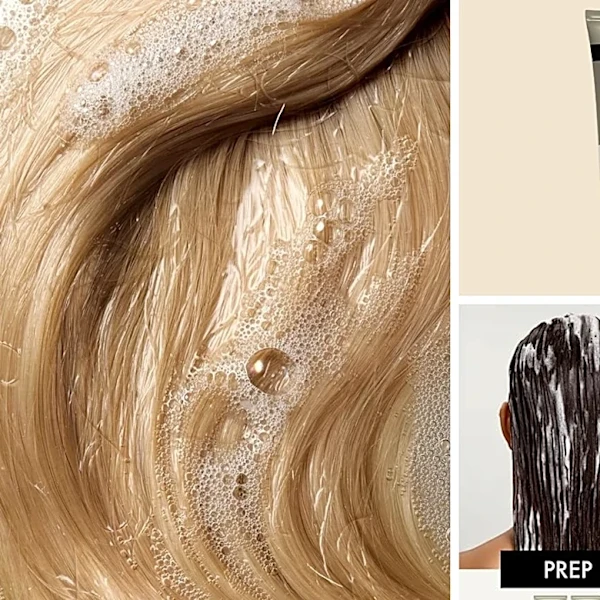
The market for sustainable personal care products is expanding, with a notable increase in refillable options for everyday items. Consumers seeking eco-friendly alternatives can now find refillable deodorants, shampoo, and hair conditioner bars. This
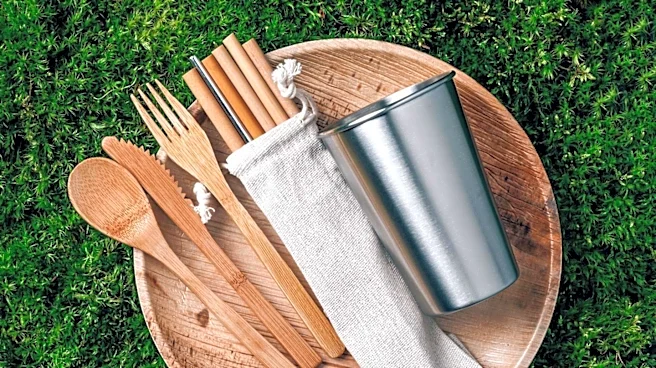
trend is driven by a desire to reduce waste and support more sustainable consumption habits. These products often emphasize non-toxic ingredients, aligning with a broader movement towards healthier and environmentally conscious choices. The availability of such items allows individuals to maintain their personal care routines while minimizing their environmental footprint, particularly by reducing single-use plastics and packaging waste. Brands are increasingly offering these options to cater to a growing segment of environmentally aware consumers.
Why It's Important?
The rise of refillable personal care products signifies a significant shift in consumer behavior and industry practices within the U.S. It reflects a growing awareness of environmental issues, particularly plastic waste, and a demand for more sustainable solutions. This trend impacts the manufacturing and retail sectors, pushing companies to innovate in product design, packaging, and supply chain management to meet eco-conscious consumer preferences. For consumers, it offers a practical way to contribute to environmental conservation without drastically altering their daily routines. The adoption of refillable systems can lead to a reduction in landfill waste and a decrease in the carbon footprint associated with product packaging and transportation. This movement also encourages a re-evaluation of product ingredients, favoring non-toxic and natural formulations, which can have positive implications for public health and environmental quality.
What's Next?
The trajectory for refillable personal care products suggests continued growth and innovation. Consumers can anticipate a wider array of products becoming available in refillable formats, extending beyond deodorants and hair care to other personal hygiene and beauty items. This expansion will likely be accompanied by increased accessibility, with more retailers stocking these sustainable options both in-store and online. Manufacturers are expected to invest further in research and development to create more durable, aesthetically pleasing, and user-friendly refillable packaging solutions. Additionally, there may be a push for industry-wide standards or certifications for refillable products to ensure transparency and authenticity for consumers. The success of these initiatives could also inspire similar shifts in other consumer goods sectors, fostering a broader culture of reusability and waste reduction.
Beyond the Headlines
Beyond the immediate environmental benefits, the embrace of refillable personal care products has deeper implications for consumer culture and corporate responsibility. It challenges the traditional linear consumption model of 'buy, use, dispose' and promotes a more circular economy. This shift can foster a greater sense of connection between consumers and the products they use, encouraging mindful consumption rather than impulsive purchases. For businesses, it represents an opportunity to build brand loyalty among environmentally conscious consumers and to differentiate themselves in a competitive market. However, it also presents challenges related to logistics, product integrity, and consumer education on proper refilling and recycling practices. The long-term success of this movement will depend on a collective effort from consumers, manufacturers, and policymakers to create an infrastructure that supports and incentivizes sustainable consumption patterns.