





What's Happening?
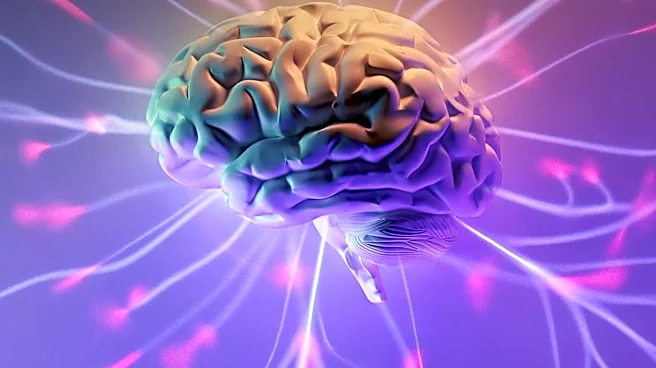
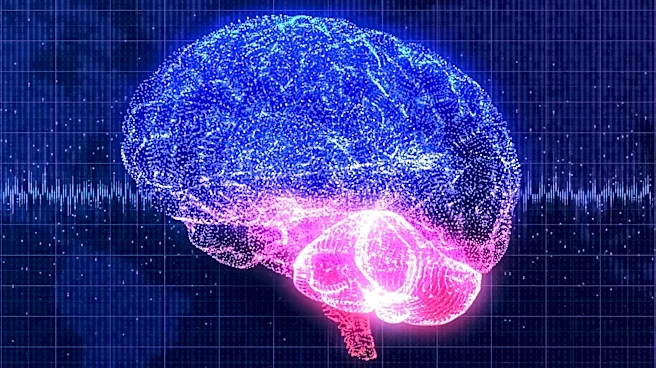
Misophonia, a condition characterized by intense emotional reactions to specific sounds, is gaining scientific attention. Research over the past decade has identified a physiological basis for the condition, with brain imaging studies showing heightened
activity in regions associated with attention and internal body signals. Misophonia is not yet recognized in major diagnostic manuals, but studies suggest it affects a significant portion of the population. The condition is often misunderstood as rudeness or a short temper, but research indicates it is an involuntary reaction with measurable physiological responses.
Why It's Important?
The growing body of research on misophonia highlights the need for greater awareness and understanding of the condition. As scientific evidence supports the existence of misophonia as a distinct condition, it may lead to better diagnostic criteria and treatment options. This could improve the quality of life for those affected by providing validation and potential therapeutic interventions. The recognition of misophonia could also influence workplace and social environments, encouraging accommodations for individuals with the condition. Understanding misophonia's impact on mental health and social interactions is crucial for developing supportive policies and practices.