




What's Happening?
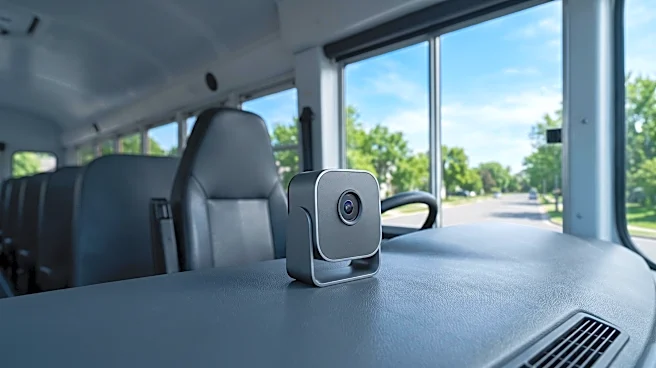
Student Transportation of America (Company) has implemented a Biometric Data Policy for its drivers, utilizing Netradyne's Driver.i system. This system employs both road-facing and inward-facing cameras, along with artificial intelligence, to capture
video footage and analyze driver performance. The technology scans drivers' face geometry to detect alertness, focus, seatbelt usage, and unsafe behaviors like distracted driving or drowsiness. This collected information, including facial geometry, is considered Biometric Data under Illinois law. The Company's policy outlines the collection, storage, protection, and disclosure of this data, asserting its use for enhancing safety, improving driver efficiency, and encouraging good driving techniques. Biometric Data is stored in accordance with applicable laws, including the Illinois Biometric Information Privacy Act (BIPA), and will not be disclosed to third parties other than the Company or Netradyne, except under specific circumstances such as written consent, legal requirement, or valid subpoena. The Company retains biometric data during employment and permanently deletes it within three years of an employee's last contact, or sooner upon employment conclusion or role transfer.
Why It's Important?
This policy highlights the increasing integration of biometric surveillance technologies in commercial operations, particularly in sectors like transportation where safety is paramount. By leveraging facial recognition and AI, the Company aims to proactively monitor and improve driver behavior, potentially reducing accidents and enhancing overall safety for passengers. However, the implementation also raises significant privacy considerations, especially under stringent laws like Illinois's BIPA, which mandates written notice and consent for biometric data collection. The policy's adherence to BIPA underscores the legal complexities businesses face when deploying such technologies. It sets a precedent for how transportation companies might balance operational safety needs with individual privacy rights, potentially influencing industry standards for driver monitoring and data handling. The detailed retention and destruction protocols are crucial for mitigating privacy risks and ensuring compliance.
What's Next?
Drivers employed by Student Transportation of America in roles utilizing the Netradyne Driver.i system will be required to execute a Notice and Consent to Collection of Biometric Data form. The Company will continue to collect and analyze biometric data to monitor driver performance and enhance safety protocols. Ongoing compliance with Illinois BIPA and other relevant data protection laws will be critical, and the Company may face scrutiny or legal challenges if its practices are perceived to deviate from these regulations. The broader transportation industry will likely observe the effectiveness and legal implications of such systems, potentially leading to wider adoption or further regulatory discussions regarding biometric data use in commercial fleets. Future developments may include technological advancements in driver monitoring and evolving legal interpretations of biometric privacy laws.
Beyond the Headlines
The deployment of biometric driver monitoring systems like Netradyne's Driver.i by companies such as Student Transportation of America signifies a broader societal shift towards pervasive surveillance in the workplace, driven by both safety imperatives and technological capabilities. This trend raises ethical questions about employee autonomy, the extent of employer oversight, and the potential for mission creep in data collection. While the stated purpose is safety, the continuous monitoring of facial geometry and behaviors could lead to concerns about constant scrutiny and its impact on employee well-being and trust. The policy also underscores the growing importance of robust data governance frameworks, as the collection of sensitive biometric data necessitates stringent security measures to prevent breaches and misuse. This case contributes to the ongoing debate about balancing technological advancement, corporate responsibility, and individual privacy in the modern workforce.