



What's Happening?
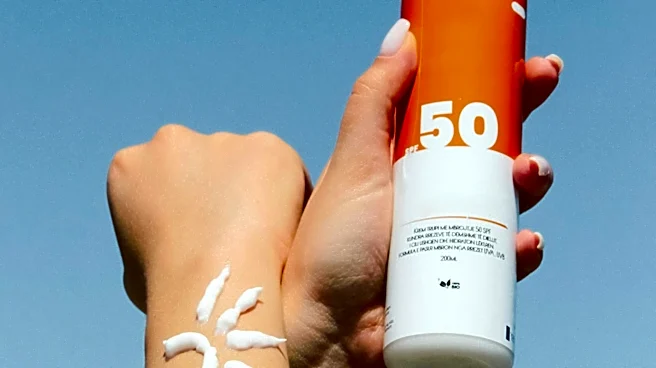
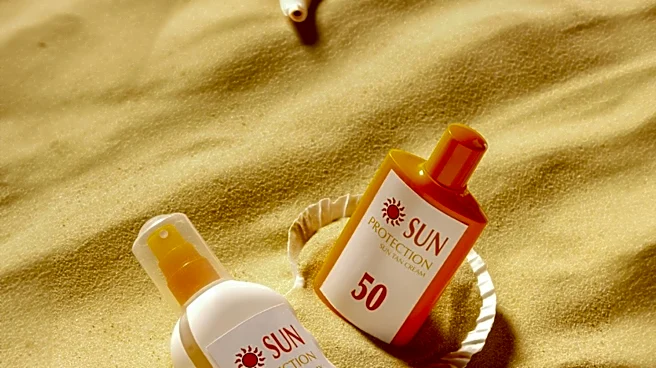
The U.S. Food & Drug Administration (FDA) has approved BEMT (bemotrizinol) as a new chemical sunscreen filter for use in the United States, marking the first such approval since the 1990s. BEMT is a broad-spectrum filter that protects against both UVA
and UVB rays, which cause skin cancer, aging, and hyperpigmentation. Charlene Valledor, cosmetic chemist and president of SOS Beauty, notes that BEMT is photostable and provides longer-lasting protection. Corinne Erickson, MD, a board-certified dermatologist, adds that it is a large molecule that does not absorb into the bloodstream, addressing a common concern with chemical sunscreens. Sunscreens formulated with BEMT are also praised for blending seamlessly without leaving a white cast, making them suitable for all skin tones. While BEMT is new to the U.S., it has been widely used in Europe, Asia, and Australia for decades. La Roche-Posay's UVDefense is highlighted as a product incorporating BEMT, offering strong antioxidant protection and a lightweight, hydrating texture.
Why It's Important?
The FDA's approval of BEMT is a significant development for the U.S. skincare market, as it introduces a more advanced and effective UV filter that has been available internationally for years. This approval provides consumers with better options for sun protection, potentially leading to improved public health outcomes related to skin cancer and premature aging. For the beauty industry, it opens doors for innovation, allowing U.S. brands to formulate sunscreens that are comparable in texture and efficacy to those found in Europe and K-beauty markets. This could stimulate competition and drive further research into new filter technologies. The ability of BEMT sunscreens to blend without a white cast is particularly important for promoting consistent sunscreen use across diverse skin tones, addressing a long-standing barrier to compliance. This move signals a step towards modernizing U.S. sunscreen regulations, which have lagged behind other regions.
What's Next?
Following the FDA approval, more U.S. beauty brands are expected to incorporate BEMT into their sunscreen formulations, leading to a wider array of advanced sun protection products available to consumers. This will likely increase competition in the sunscreen market, potentially driving down prices and improving product quality. The beauty industry will also likely advocate for further regulatory updates to approve other innovative UV filters that are currently available internationally. Consumers can anticipate new product launches emphasizing BEMT as a key ingredient, with marketing focusing on its broad-spectrum protection, photostability, and cosmetic elegance. Educational campaigns will be crucial to inform the public about the benefits of BEMT and encourage daily sunscreen use. The success of BEMT could pave the way for a more dynamic and innovative U.S. sunscreen market.
Beyond the Headlines
The approval of BEMT in the U.S. highlights a broader issue of regulatory lag in the American beauty and pharmaceutical industries compared to global counterparts. For decades, U.S. consumers have been denied access to advanced UV filters due to a slow and complex approval process, forcing many to rely on imported products or less effective formulations. This development could signal a shift towards a more agile regulatory environment, potentially accelerating the approval of other beneficial ingredients and technologies. Ethically, it raises questions about equitable access to advanced health and beauty innovations. Culturally, it reinforces the influence of international beauty trends, particularly from Europe and K-beauty, in shaping consumer expectations and driving regulatory change in the U.S. This move could ultimately foster a more competitive and innovative domestic beauty market, benefiting both consumers and industry players.