
What's Happening?
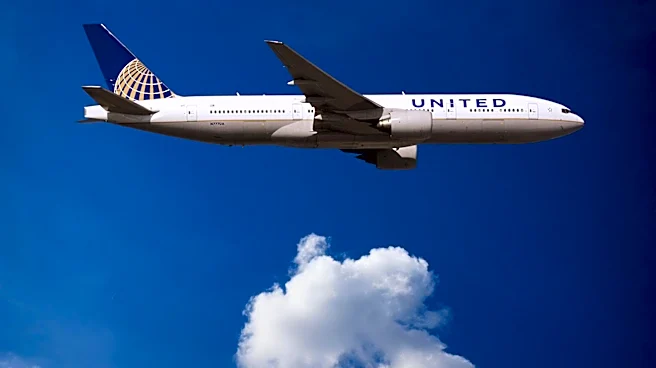
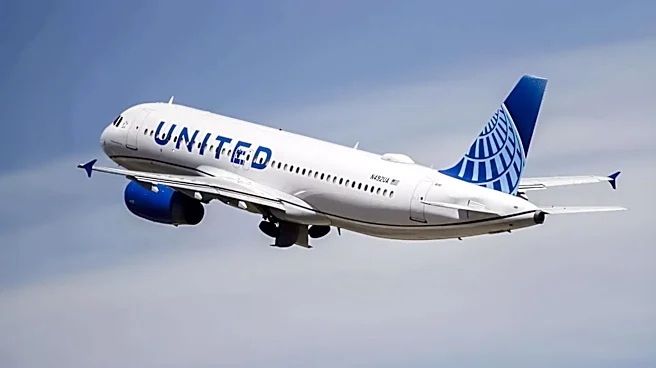
United Airlines CEO Scott Kirby has articulated a goal to create an airline so reliable and polished that flight attendants no longer need to apologize to customers. This objective, as discussed during
his appearance on Semafor’s The CEO Signal, focuses on improving product, reliability, technology, and service. Kirby emphasizes that while apologies are sometimes warranted, they should not be a substitute for a consistently functioning operation. He aims to address underlying issues such as broken seats, inoperative power outlets, inconsistent catering, and unreliable Wi-Fi, which often force frontline employees to apologize for circumstances beyond their control. The airline has made investments in areas like seatback entertainment and Starlink internet to enhance the passenger experience and improve employee morale.
Why It's Important?
This strategic shift by United Airlines is significant for both the airline industry and consumer experience. By prioritizing operational excellence and product quality, United aims to differentiate itself in a competitive market. A more reliable and polished service can lead to increased customer satisfaction and loyalty, potentially translating into higher revenue and market share. For employees, particularly flight attendants, a reduction in the need to apologize for systemic failures can boost morale and allow them to focus on providing genuine hospitality. This approach could set a new standard for customer service in the airline industry, encouraging other carriers to invest more in their core product and operational reliability rather than relying solely on service recovery efforts. The focus on tangible improvements like functional equipment and consistent catering addresses common pain points for travelers, which could enhance the overall perception of air travel.
What's Next?
United Airlines is expected to continue its investments in product upgrades, fleet changes, and loyalty-program improvements to achieve its goal of enhanced reliability. The ongoing expansion of services like Starlink internet and the maintenance of seatback screens are part of this strategy. The airline will likely focus on addressing existing issues such as broken seats, power outlets, and catering consistency across its fleet. While delays and cancellations are inherent challenges in the airline industry, the management's efforts will be directed towards minimizing these occurrences and ensuring that when they do happen, the impact on customers is mitigated. The success of this initiative will depend on sustained investment and a consistent focus on operational details, with the ultimate aim of creating an environment where flight attendants can deliver service without the burden of constant apologies.
Beyond the Headlines
The initiative by United Airlines to reduce the need for flight attendant apologies delves deeper than mere customer service; it touches upon the psychological contract between an employer and its frontline staff, and between a service provider and its customers. When employees are consistently put in a position to apologize for systemic failures, it can lead to burnout, disengagement, and a decline in overall service quality. Kirby's approach acknowledges that true service excellence stems from a robust and reliable product, empowering employees to focus on genuine hospitality rather than damage control. This philosophy could foster a more positive work environment for flight attendants, who often bear the brunt of customer frustration. Furthermore, it highlights a broader trend in industries where customer experience is paramount: the recognition that technology and infrastructure must support human interaction, rather than creating obstacles that humans then have to navigate with apologies. This could lead to a re-evaluation of operational priorities across various service sectors.